Understanding Pet Emotions and Attachment
Introduction:
Pets are more than just animals; they are beloved members of our families. Over the years, the bond between humans and pets has deepened, and we’ve come to realize that pets experience emotions and form strong attachments. Understanding these emotions and attachments can help us better care for our pets and strengthen our relationship with them. In this blog post, we’ll delve into the world of pet emotions and explore how pets form attachments with their human caregivers.
The Emotional Complexity of Pets
Pets, especially mammals like dogs and cats, are capable of experiencing a wide range of emotions. While their emotional spectrum may differ from ours, it’s clear that they feel love, joy, fear, anxiety, and even grief. These emotions are often expressed through body language, vocalizations, and behavioral changes.
- Love and Affection
Pets often show love and affection in ways that are both heartwarming and unmistakable. Dogs wag their tails, give sloppy kisses, and nuzzle their heads against their owners to express affection. Cats, on the other hand, may purr, rub against their owners, or curl up in their laps to show love. These behaviors are not just instinctual; they are genuine expressions of affection. - Fear and Anxiety
Just like humans, pets can feel fear and anxiety. Common triggers include loud noises, thunderstorms, strangers, or even changes in their environment. If you’ve ever seen your dog trembling during a fireworks display or your cat hiding under the bed during a storm, you’ve witnessed fear firsthand. Understanding these emotions can help you comfort your pet and create a sense of safety and security. - Joy and Excitement
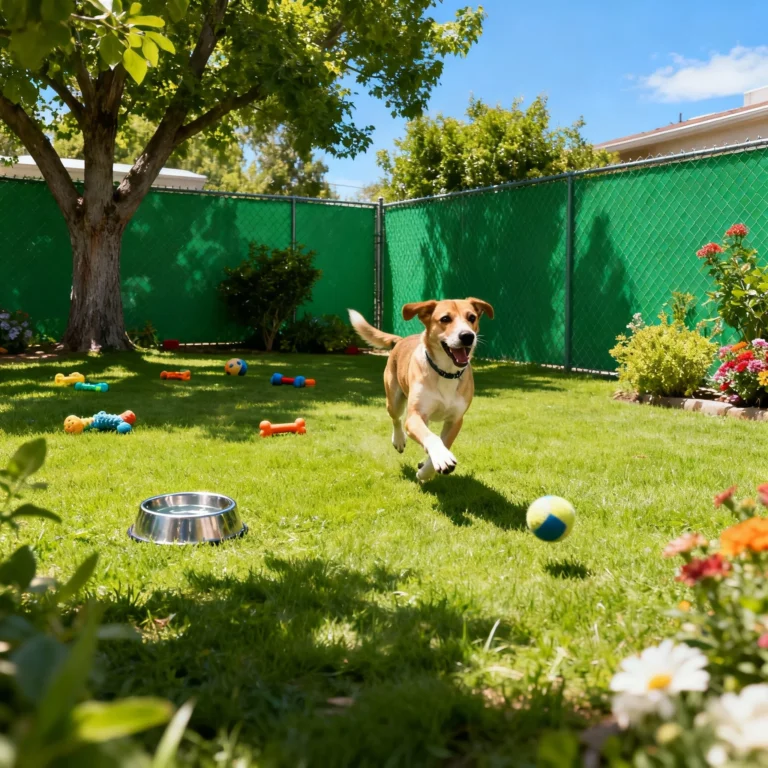
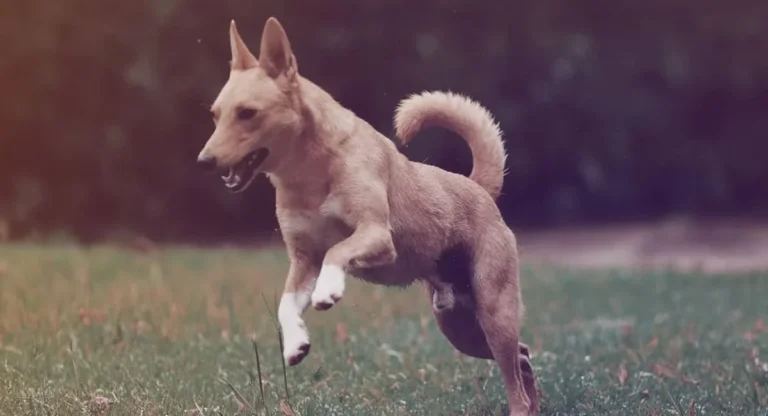
Pets experience joy in various ways, and it’s often something that brings immense happiness to pet owners as well. Whether it’s the thrill of chasing a ball, the excitement of a car ride, or the simple pleasure of a tasty treat, joy is something pets express freely. Their happiness is contagious, and it’s one of the many reasons why we love having them in our lives. - Grief and Loss
Pets are also capable of experiencing grief and loss. If a pet has lost a companion, whether it’s another pet or a human family member, they may exhibit signs of sadness, such as loss of appetite, lethargy, or even changes in their sleep patterns. Recognizing these emotions and providing support can help your pet navigate through difficult times.
The Science of Pet Attachment
Attachment is a deep, enduring bond that develops between a pet and their owner. This bond is often rooted in trust, companionship, and mutual affection. While attachment is a natural process, it’s also influenced by factors such as the pet’s breed, temperament, and the quality of care provided by the owner.
- The Role of Oxytocin
Oxytocin, often referred to as the “love hormone,” plays a significant role in the attachment process between humans and pets. Studies have shown that oxytocin levels increase in both humans and pets during interactions, strengthening their bond. This hormone is released during physical touch, eye contact, and other forms of affectionate interaction. - The Impact of Positive Reinforcement
Positive reinforcement is a powerful tool in building a strong attachment between you and your pet. Rewarding your pet with treats, praise, or playtime for desired behaviors not only strengthens their understanding of what’s expected but also fosters trust and loyalty. Consistent, positive reinforcement helps create a stable and loving environment for your pet. - The Importance of Routine
Routine plays a crucial role in the attachment process. Pets thrive on consistency, and having a regular schedule for feeding, exercise, and playtime provides them with a sense of stability. This predictability helps build trust and strengthens the bond between you and your pet.
Recognizing Emotional Signs in Pets
Understanding your pet’s emotional state requires observation and empathy. Pets communicate primarily through body language and behavior, and being able to interpret these signals can help you better understand their needs and emotions.
- Body Language
Body language is one of the most important ways pets communicate. For dogs, a wagging tail can indicate excitement or happiness, while a tucked tail may signal fear or anxiety. Cats, on the other hand, use their posture, tail position, and ear placement to convey their emotions. For example, a cat with an arched back and puffed-up fur is likely feeling threatened or scared. - Vocalizations
Pets use vocalizations to express their emotions. Dogs bark, whine, or howl to communicate, while cats meow, purr, or hiss. Each type of vocalization can indicate a specific emotion or need. For instance, a dog’s howl may signify loneliness or stress, while a cat’s purr can be a sign of contentment or anxiety. - Behavioral Changes
Changes in your pet’s behavior can often indicate their emotional state. If your normally active dog becomes lethargic or your vocal cat becomes unusually quiet, it may be a sign that they’re feeling unwell or experiencing emotional distress. Paying attention to these changes can help you address the issue before it becomes more serious.
Fostering a Deeper Bond with Your Pet
Building a strong, emotional bond with your pet is a rewarding experience for both you and your furry friend. By understanding their emotions and attachment needs, you can take steps to foster a deeper connection.
- Spend Quality Time Together
Spending quality time with your pet is one of the best ways to strengthen your bond. Whether it’s a walk in the park, a play session with their favorite toy, or simply cuddling on the couch, spending time together creates opportunities for shared experiences and emotional connection. - Practice Active Listening and Observation
Active listening and observation are essential for understanding your pet’s needs and emotions. By paying attention to their body language, vocalizations, and behavioral changes, you can better respond to their needs and provide the support they require. - Provide a Safe and Comfortable Environment
Creating a safe and comfortable environment for your pet is crucial for their emotional well-being. This includes providing a warm, cozy place to rest, access to fresh water and nutritious food, and a clean living space. A secure environment helps reduce stress and anxiety, promoting a sense of calm and contentment. - Engage in Play and Interactive Activities
Play is an excellent way to bond with your pet and stimulate their mind and body. Interactive activities like fetch, agility training, or even puzzle toys can challenge your pet and keep them engaged. Playtime also provides an opportunity for physical exercise, which is essential for their overall health and happiness.
Addressing Emotional Challenges in Pets
While pets bring immense joy and love into our lives, they can also face emotional challenges that require attention and care. By recognizing these challenges and taking appropriate steps, you can help your pet navigate difficult emotions and maintain their emotional well-being.
- Separation Anxiety
Separation anxiety is a common issue among pets, particularly dogs. It occurs when a pet becomes distressed when left alone or separated from their owner. Symptoms may include excessive barking, destruction of property, or even self-soothing behaviors like pacing or chewing. Addressing separation anxiety may involve gradual desensitization, crate training, or professional help from a trainer or behaviorist. - Fear-Based Behaviors
Fear-based behaviors are often triggered by specific stimuli, such as loud noises, strangers, or new environments. If your pet exhibits fear-based behaviors, it’s important to approach the situation with patience and understanding. Desensitization techniques, positive reinforcement, and gradual exposure to the trigger can help alleviate fear and build confidence. - Grief and Loss
As mentioned earlier, pets can grieve the loss of a companion or family member. If you’ve recently lost a pet or a family member, it’s important to provide your remaining pet with extra attention and support. Maintaining a consistent routine and offering reassurance can help them adjust to the change and process their emotions.
The Role of Owners in Pet Emotional Health
As a pet owner, you play a significant role in your pet’s emotional health. By being attentive to their needs, providing a nurturing environment, and fostering a strong bond, you can help your pet live a happy and fulfilling life.
- Be Attentive to Your Pet’s Needs
Your pet’s needs go beyond just food, water, and shelter. They need emotional support, mental stimulation, and physical exercise to stay happy and healthy. By being attentive to these needs, you can ensure that your pet feels loved, cared for, and secure. - Provide Mental Stimulation
Mental stimulation is just as important as physical exercise for your pet’s well-being. Activities like puzzle toys, obedience training, or scent games can challenge your pet’s mind and keep them engaged. A mentally stimulated pet is less likely to develop behavioral issues or experience emotional distress. - Offer Reassurance and Comfort
Pets look to their owners for reassurance and comfort. If your pet is feeling anxious, scared, or stressed, offering a calm and reassuring presence can help alleviate their fears. Physical touch, such as stroking or cuddling, can also provide a sense of security and comfort.
Conclusion:
Understanding pet emotions and attachment is key to building a meaningful and lasting relationship with your furry friend. By recognizing their emotional needs, fostering a strong bond, and providing the care and support they require, you can help your pet live a life filled with love, joy, and happiness. Remember, pets are more than just animals—they are cherished companions who bring immense love and joy into our lives. By taking the time to understand and connect with their emotions, we can create a deeper, more fulfilling bond that enriches both our lives and theirs.