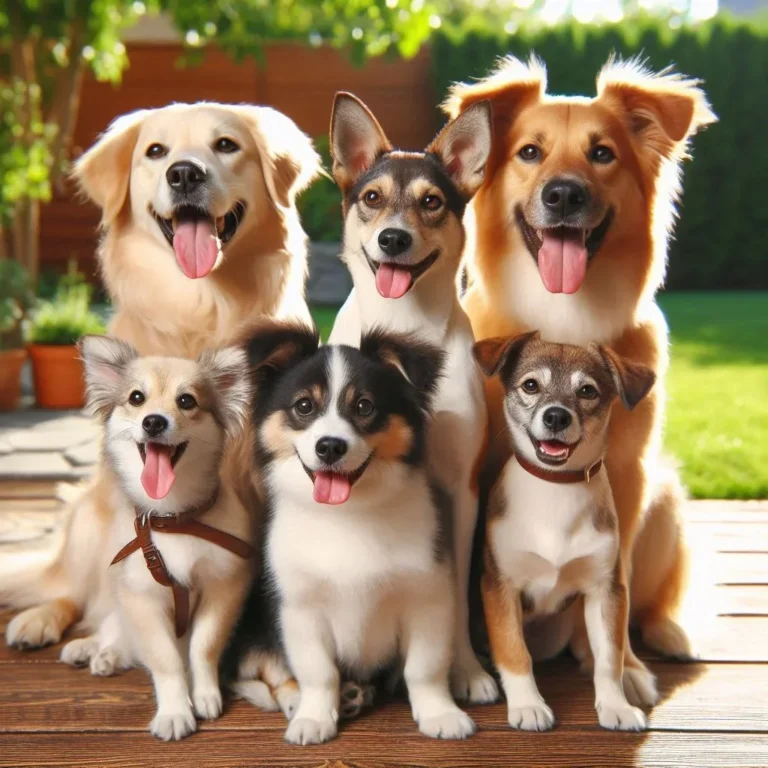
Understanding Canine Body Language for Better Bonding
Dogs are more than just pets; they are loyal companions, family members, and friends. However, unlike humans, they don’t communicate through words but through body language. Deciphering your dog’s body language can strengthen your bond, improve communication, and even prevent misunderstandings. In this blog post, we’ll explore the nuances of canine body language and how understanding it can lead to a deeper connection with your furry friend.
The Importance of Canine Body Language
Dogs use body language to convey emotions, intentions, and needs. Their tails, ears, eyes, and posture all work together to send signals. These signals can indicate happiness, fear, excitement, or stress. By learning to read these signals, you can better understand your dog’s feelings and respond appropriately.
Building Trust and Communication
Understanding your dog’s body language is key to building trust. When you can recognize signs of happiness or stress, you can create an environment where your dog feels safe and understood. This mutual understanding fosters a stronger bond and improves communication between you and your dog.
Preventing Misunderstandings
Sometimes, dogs can misinterpret human behavior, and humans can misinterpret canine behavior. By learning to read your dog’s body language, you can avoid situations that might lead to conflict or stress. For example, recognizing signs of fear or aggression can help you intervene before things escalate.
Key Components of Canine Body Language
Canine body language is a combination of various signals, each providing insight into your dog’s emotional state. Here are the key components to focus on:
1. Tail Language
A dog’s tail is one of the most expressive parts of its body. The position, movement, and even the stiffness of the tail can convey different emotions.
- Wagging Tail: A wagging tail is often associated with happiness or excitement. However, the speed and movement can vary:
- A loose, open wag indicates friendliness.
- A stiff, rapid wag may signal anxiety or agitation.
- A tucked tail can indicate fear or submission.
- Tail Position: The position of the tail can also reveal a dog’s mood:
- A tail held high may indicate confidence or dominance.
- A neutral position suggests the dog is relaxed.
- A low or tucked tail may indicate fear or uncertainty.
2. Ear Position
A dog’s ears can also provide important clues about its emotional state.
- Ears Forward: If a dog’s ears are forward, it may indicate curiosity or interest.
- Ears Back: Pulled-back ears can suggest fear, submission, or even pain.
- Ears Tilted: Tilting ears might indicate the dog is trying to understand something or is uncertain.
3. Facial Expressions
A dog’s face can tell you a lot about how it’s feeling. Pay attention to the eyes, eyebrows, and mouth.
- Eyes:
- Soft, relaxed eyes often indicate calmness or contentment.
- Narrowed eyes or a staring gaze can signal intensity or aggression.
- Avoiding eye contact or squinting may indicate fear or stress.
- Mouth:
- A relaxed mouth with a slightly open jaw suggests the dog is calm.
- A tense, puckered mouth or showing the whites of the eyes can indicate stress or anxiety.
- Bared teeth or a snarl is a clear sign of aggression or fear.
4. Posture
A dog’s posture can reflect its confidence level and mood.
- Confident Posture: A dog standing tall with weight evenly distributed on all fours exudes confidence.
- Relaxed Posture: A dog with a loose, open posture is feeling calm and comfortable.
- Submissive Posture: A dog that crouches low, with its head down, may be feeling submissive or uncertain.
- Tense Posture: A stiff, rigid posture with weight shifted forward can indicate excitement or aggression.
5. Front and Back Signals
Dogs often send signals from both the front and back of their body, which can sometimes contradict each other. For example, a dog may have a wagging tail (which suggests friendliness) but a tense face or forward ears (which could indicate some underlying stress or anxiety).
Paying attention to these mixed signals can provide a more accurate understanding of your dog’s true emotional state.
Ground Rules for Interpreting Body Language
While understanding individual signals is important, it’s equally crucial to consider the context and the dog’s overall behavior.
1. Look for Clusters of Signals
Rather than focusing on a single signal, look for clusters or combinations of signals. This will give you a more accurate picture of your dog’s emotional state. For example, a dog with a tucked tail, flattened ears, and a lowered head is likely feeling fear or submission.
2. Consider Breed and Individual Differences
Every dog is unique, and breed-specific traits can influence body language. For example, a Greyhound may have a naturally tucked tail, while a Beagle may have a more relaxed tail position. Getting to know your dog’s baseline behavior can help you better understand deviations from the norm.
3. Pay Attention to Context
Context plays a significant role in interpreting body language. The same signal can mean different things in different situations. For example, a dog may yawn to signal relaxation in one situation and stress in another.
4. Trust Your Instincts
If you notice your dog exhibiting unusual or concerning behaviors, trust your instincts and take appropriate action. Whether it’s consulting a professional dog trainer or simply giving your dog some space, prioritizing your dog’s well-being is essential.
Applying This Knowledge to Strengthen Your Bond
Now that you’re familiar with the basics of canine body language, how can you apply this knowledge to strengthen your bond with your dog? Here are some practical tips:
1. Be Observant
Take the time to observe your dog in various situations. Notice how their body language changes and what these changes might mean. As you become more attuned to their signals, you’ll be better equipped to respond in ways that support their emotional needs.
2. Respond Thoughtfully
When you recognize signs of happiness or stress in your dog, respond in a thoughtful and appropriate way. For example, if your dog is wagging their tail with excitement, engage in play or offer a treat. If they’re showing signs of fear, create a safe and calming environment.
3. Be Patient and Consistent
Learning to read your dog’s body language takes time and practice. Be patient with yourself and your dog as you navigate this process. Consistency in your responses will help your dog feel secure and build trust in your relationship.
4. Seek Professional Guidance
If you’re struggling to interpret your dog’s body language or if you notice persistent signs of stress or aggression, consider seeking guidance from a professional dog trainer or behaviorist. They can provide personalized insights and strategies to help you better understand and support your dog.
Conclusion
Understanding canine body language is a powerful tool for building a stronger bond with your dog. By paying attention to your dog’s tail, ears, facial expressions, and posture, you can gain valuable insights into their emotional state and respond in ways that support their well-being. Remember, every dog is unique, and taking the time to understand their individual quirks and signals will only deepen your connection.
As you continue on this journey of understanding and communication, you’ll find that your relationship with your dog becomes more intuitive and fulfilling. With patience, observation, and a willingness to learn, you can unlock the language of your furry friend and strengthen the bond you share.