Toy Dog Breeds Perfect Companions
When it comes to finding a loyal sidekick that fits comfortably in a small living space, Toy Dog Breeds often top the list of ideal companions. Their compact size, affectionate nature, and adaptable personalities make them especially suited for apartment dwellers, busy professionals, and families looking for a low‑maintenance yet loving pet. In this guide, we explore why toy breeds are praised as perfect companions, highlight several standout breeds, and offer practical advice on selecting the right match for your lifestyle. Whether you crave a lap‑warming cuddle buddy or a spirited playmate, understanding the unique traits of these small dog breeds will help you make an informed, confident decision.
Popular Toy Breeds for Apartment Living
Living in a city apartment doesn’t have to limit your dog‑ownership dreams. Many toy breeds thrive in compact environments because they require less space to exercise and are generally content with short, frequent indoor play sessions. Below are seven of the most beloved toy breeds, each celebrated for its blend of charm and adaptability:
- Chihuahua – Known for its big personality in a tiny frame, the Chihuahua excels at providing constant companionship. Learn more.
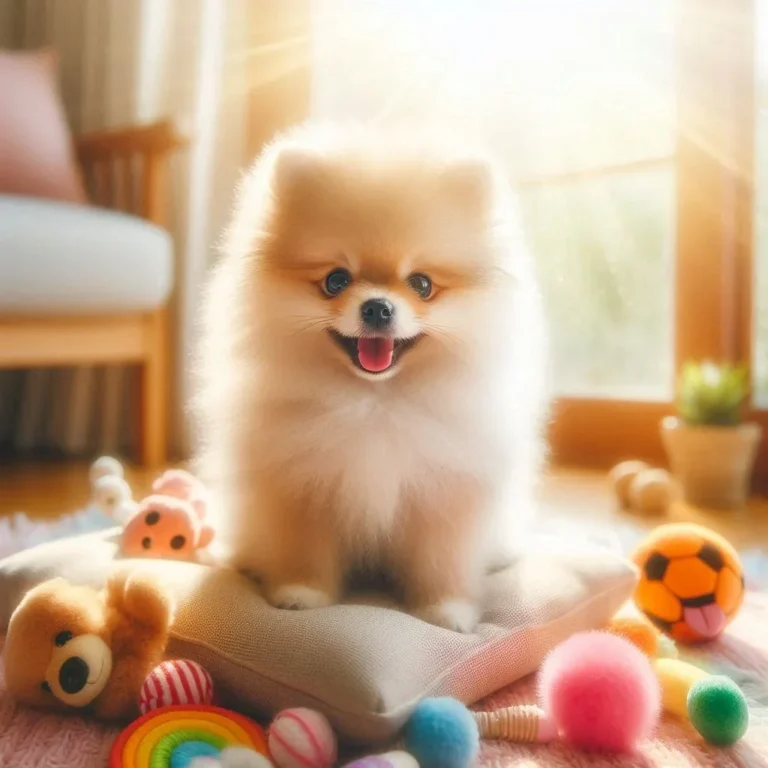
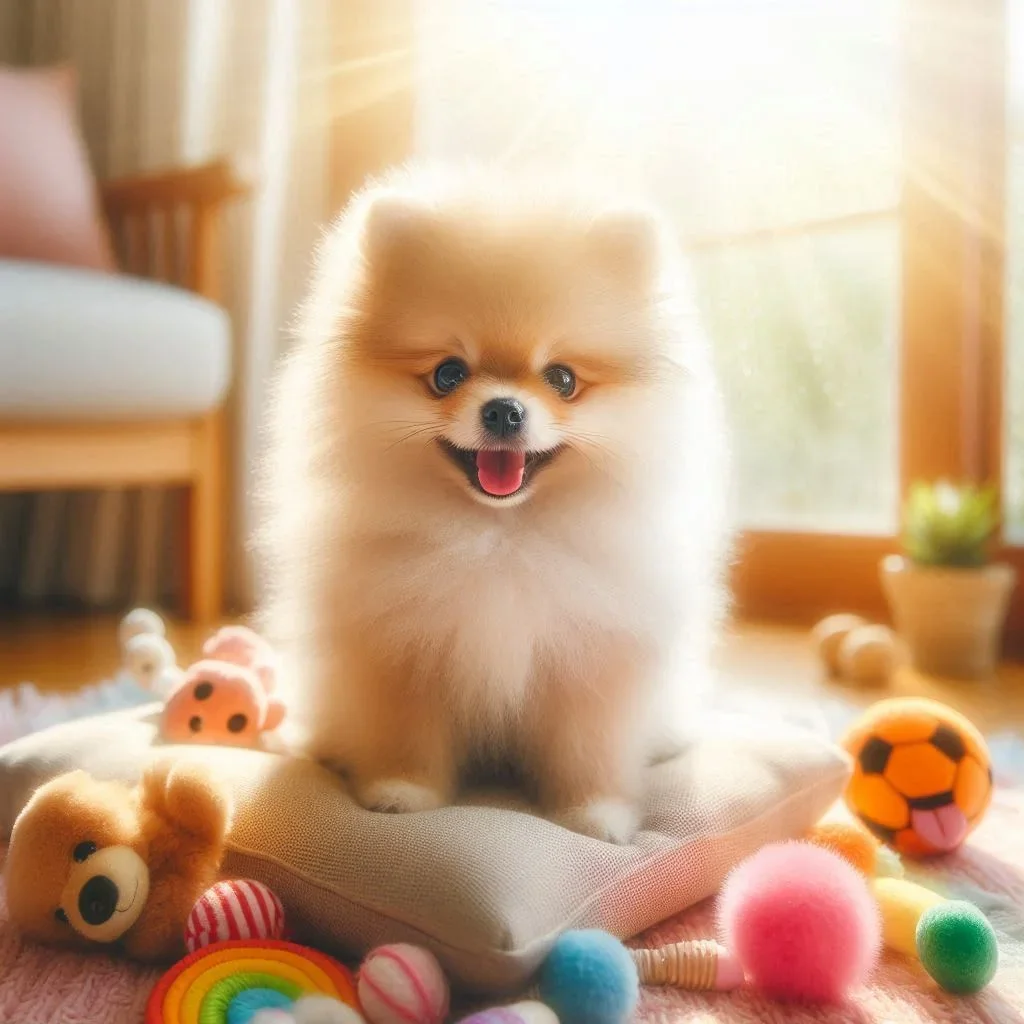
- Pomeranian – With a fluffy coat and lively disposition, Pomeranians are excellent indoor entertainers. Learn more.
- Yorkshire Terrier – This breed’s silky hair and confident demeanor make it a classic small‑dog favorite.
- Maltese – Gentle and affectionate, the Maltese thrives on close human contact and is often described as a true lap dog.
- French Bulldog – Though slightly larger, the French Bulldog’s low‑energy needs and friendly temperament suit indoor living.
- Shih Tzu – Bred as a companion for royalty, the Shih Tzu remains a dignified yet playful pet.
- Miniature Pinscher – Often called the “King of Toys,” this breed combines boldness with a manageable size.
All of these breeds are recognized by the American Kennel Club for their suitability as indoor companions, offering a range of temperaments that can match almost any household.
Temperament and Training Needs
Understanding a toy breed’s temperament is essential before bringing one home. While each dog is an individual, certain patterns emerge across the category. Toy dogs often exhibit high levels of affection, a desire to be near their owners, and a propensity for alertness that can translate into occasional barking. Training should focus on socialization, basic obedience, and managing any “small‑dog syndrome” that may arise if they feel threatened by larger animals.
Positive reinforcement methods—such as treats, praise, and short, frequent training sessions—work best for these sensitive companions. Because they are eager to please, even a few minutes of daily practice can yield substantial progress. Incorporating mental stimulation, like puzzle toys or scent games, helps keep their sharp minds occupied and reduces unwanted behaviors.
Health Considerations and Longevity
Although toy breeds enjoy long lifespans—often ranging from 12 to 16 years—they can be predisposed to specific health challenges due to their size. Common concerns include dental issues, tracheal collapse, patellar luxation, and in some breeds, heart murmurs. Regular veterinary check‑ups, a balanced diet tailored for small dogs, and routine dental care are critical for maintaining optimal health.
For owners interested in preventive care, the Merck Veterinary Manual provides comprehensive guidelines on managing breed‑specific conditions. Early detection and consistent grooming—especially for low‑shedding dogs like the Maltese—can dramatically improve quality of life.
Choosing the Right Toy Dog for Your Lifestyle
Not all toy breeds fit every lifestyle, so it’s important to assess your daily routine, activity level, and expectations before selecting a breed. Consider the following factors:
- Activity Needs – If you prefer leisurely walks and indoor play, a Chihuahua or French Bulldog may suit you. For owners who enjoy brisk morning jogs, a Miniature Pinscher could keep pace.
- Grooming Commitment – Long‑haired breeds like the Shih Tzu demand regular brushing and occasional professional grooming, whereas short‑haired Pomeranians are relatively low maintenance.
- Allergy Concerns – While no dog is entirely hypoallergenic, low‑shedding breeds such as the Maltese often produce fewer allergens.
- Family Dynamics – If you have children, choose a breed known for tolerance and patience, such as the Yorkshire Terrier or French Bulldog.
Matching these criteria with a breed’s typical personality will help ensure a harmonious partnership. Remember, adoption agencies often provide temperament assessments for each dog, making it easier to find a perfect match.
Final Thoughts and Call to Action
Toy dog breeds truly embody the phrase “perfect companions”—they bring joy, comfort, and boundless affection to homes of every size. By carefully weighing temperament, health, grooming, and lifestyle compatibility, you can select a small dog that enriches your life for years to come. Ready to welcome a loving lap dog into your home? Visit your local shelter or reputable breeder today, and experience firsthand why these petite pals are celebrated as the ultimate indoor companions.
Take the first step now: explore available Toy Dog Breeds Perfect Companions at your nearest animal rescue and give a deserving dog a forever home.
Frequently Asked Questions
Q1. What makes toy dog breeds ideal for apartment living?
Toy dogs are small, requiring less floor space for movement, and they usually have lower energy levels than larger breeds. Their affectionate nature means they enjoy lounging on laps and spending time close to their owners. This makes them perfect companions for compact living environments where outdoor space is limited.
Q2. How much exercise does a typical toy breed need?
Most toy breeds thrive on short, frequent play sessions of about 15‑30 minutes each day. A quick morning walk or indoor games can meet their activity requirements. Over‑exertion isn’t typical, but regular mental stimulation helps prevent boredom.
Q3. Are toy dog breeds hypoallergenic?
No dog breed is truly hypoallergenic, but some toy breeds shed less and produce fewer dander. Breeds like the Maltese, Bichon Frise, and Miniature Pinscher are often better tolerated by allergy sufferers. Regular grooming and cleaning further reduce allergen buildup.
Q4. What health issues should owners watch for in toy breeds?
Common concerns include dental disease, tracheal collapse, patellar luxation, and certain heart conditions. Frequent dental care and routine veterinary visits are essential. Early detection and proper diet can greatly extend a toy dog’s lifespan.
Q5. How can I train a small dog without overwhelming it?
Use short, positive‑reinforcement sessions lasting 5‑10 minutes a few times a day. Keep training spaces quiet and free of distractions. Consistency, praise, and treats keep the experience enjoyable and effective for a small dog.