Top Small Dog Breeds Guide
Looking for a companion that fits comfortably on a city balcony or slips easily into a cozy lap? Top Small Dog Breeds are celebrated for their adaptability, low‑maintenance grooming, and big personalities in tiny packages. Whether you live in a compact apartment, have limited mobility, or simply prefer a dog that won’t dominate the backyard, understanding the characteristics of the most popular small‑breed contenders can help you choose a pet that matches your lifestyle. In this guide we’ll explore why many owners gravitate toward apartment‑friendly dogs, discuss health considerations for low‑shedding breeds, and present a curated list of five standout candidates backed by reputable sources.
Why Choose a Small Dog?
Small dogs excel in environments where space is at a premium. Their reduced stature means they require less floor area for exercise, and many can obtain sufficient activity from short daily walks or indoor play. This makes them ideal for urban dwellers, retirees, or families with limited outdoor access. Moreover, many small breeds exhibit lower food consumption, which can translate into modest ongoing costs. According to the American Kennel Club, smaller dogs often have longer lifespans, providing years of companionship.
Key Factors to Consider
Before settling on a particular breed, evaluate the following criteria to ensure a harmonious match:
- Temperament: Some small dogs are bold and extroverted, while others are calm and reserved. Choose a temperament that aligns with your activity level.
- Health profile: Certain breeds are predisposed to specific conditions, such as intervertebral disc disease in Dachshunds. Research breed‑specific health concerns early.
- Grooming needs: Low‑shedding breeds can be a boon for allergy sufferers. Look for coats that suit your cleaning routine.
- Training requirements: Intelligence and trainability vary; some small dogs excel at obedience, while others are more independent.
Top Small Dog Breeds Overview
The following five breeds consistently rank among the most popular small dog choices in the United States. Each entry includes size, temperament highlights, and links to trustworthy resources for deeper research.
- Chihuahua – A tiny yet confident companion known for strong loyalty.
- Pomeranian – Fluffy, lively, and often described as “big dogs in small bodies.”
- French Bulldog – Muscular, affectionate, and remarkably quiet for its size.
- Dachshund – Long‑bodied, curious, with a bold hunting instinct.
- Boston Terrier – Friendly, intelligent, and easy‑going, making it a classic city pet.
Chihuahua
Weighing between 2–6 pounds, the Chihuahua is the epitome of portability. Despite its diminutive size, this breed boasts a fierce sense of protectiveness, often acting as a vigilant watchdog. Their small jaws make them suitable for children, but supervision is advisable because of their delicate frame. Health wise, dental issues are common, so regular tooth brushing is essential. For an in‑depth breed profile, see the Wikipedia article on Chihuahua.
Pomeranian
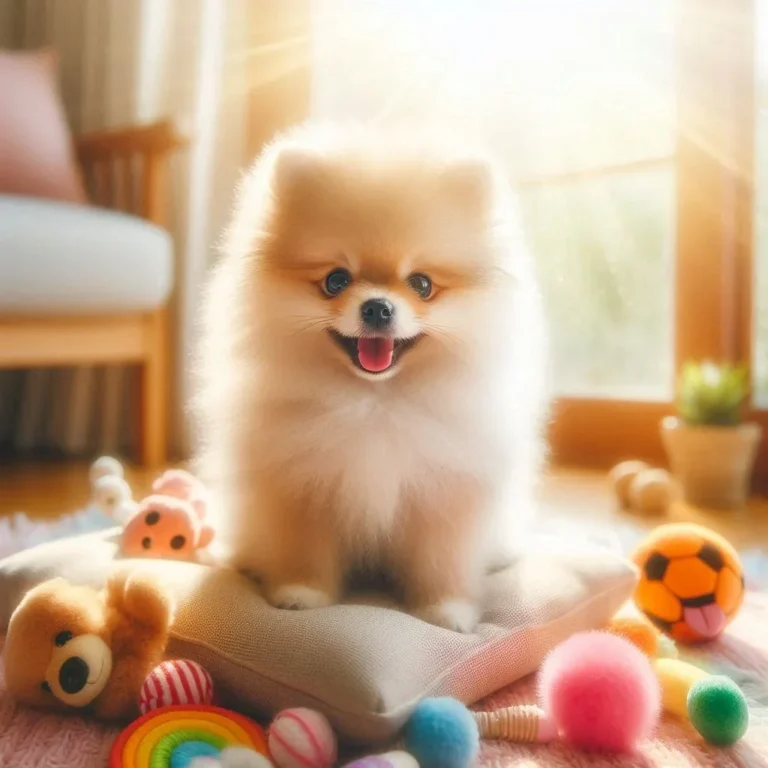
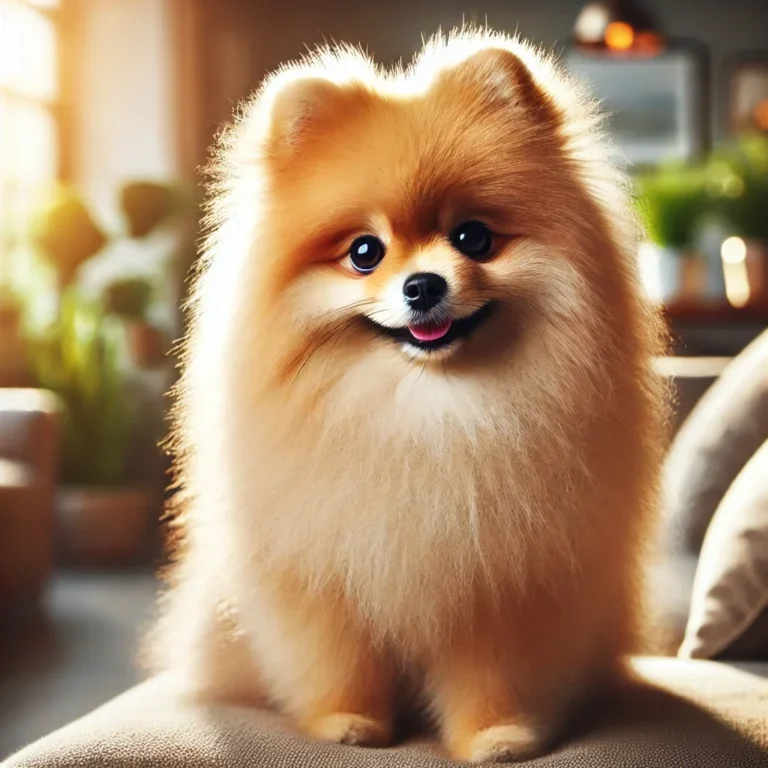
Pomeranians stand at 6–7 inches tall and weigh 3–7 pounds, featuring a dense double coat that can be a challenge for shedding‑sensitive owners. Their energetic disposition makes them excellent companions for active individuals who enjoy short play bursts. Training is usually straightforward due to their high intelligence, though they can exhibit a hint of stubbornness. Detailed breed information is available on the Pomeranian Wikipedia page.
French Bulldog
French Bulldogs typically weigh 16–28 pounds, placing them at the larger end of the “small” spectrum. Their brachycephalic (short‑muzzled) face requires careful monitoring in hot weather, as overheating can become a serious concern. Known for their affectionate nature, they thrive on human interaction and are often labeled as “couch potatoes” who enjoy lounging beside their owners. The breed’s health considerations, including potential breathing issues, are outlined by the American Kennel Club French Bulldog page.
Dachshund
Dachshunds come in standard and miniature sizes; the miniature typically weighs under 11 pounds. Their elongated spine makes them prone to intervertebral disc disease, so owners should discourage excessive jumping and maintain a healthy weight. Despite this, their bold curiosity and strong scenting ability make them entertaining companions. For a scholarly perspective on breed health, refer to the National Center for Biotechnology Information study on Dachshund spinal health.
Boston Terrier
Boston Terriers average 12–25 pounds and are celebrated for their friendly, easy‑going demeanor. Their short coat requires minimal grooming, and they adapt well to both apartment living and moderate outdoor activity. While generally healthy, Boston Terriers can be susceptible to eye problems such as cataracts; regular veterinary eye checks are recommended. An authoritative breed overview can be found on the Boston Terrier Wikipedia entry.
Health and Care Tips for Small Dogs
Maintaining the well‑being of a small breed involves a few targeted practices. First, because many tiny dogs have higher metabolic rates, they may require more frequent meals of high‑quality, protein‑rich kibble. Second, joint support supplements, such as glucosamine, can be beneficial for breeds like the Dachshund with predisposition to spinal issues. Third, regular dental cleanings—both at home and professionally—help prevent the dental disease common in Chihuahuas. The CDC’s pet health page offers evidence‑based guidance on preventative care for dogs of all sizes.
Training and Socialization Strategies
Small dogs often respond well to positive‑reinforcement techniques. Short, frequent training sessions keep them engaged without overwhelming their limited attention spans. Socialization should begin early, exposing puppies to diverse people, sounds, and environments to mitigate potential fear‑based aggression later on. For owners seeking structured curricula, the Ashford University hosts a free online module on canine behavior that covers breed‑specific nuances.
Conclusion
Choosing from the Top Small Dog Breeds means weighing lifestyle compatibility, health considerations, and personality fit. Whether you gravitate toward the bold spirit of a Chihuahua, the fluffy charisma of a Pomeranian, the laid‑back charm of a French Bulldog, the adventurous nose of a Dachshund, or the sociable nature of a Boston Terrier, each breed offers a unique blend of companionship and delight. Take the time to research, meet individual dogs, and consult reputable sources before making your decision. Ready to welcome a new furry friend into your home? Explore local shelters or reputable breeders today and give a small‑breed wonder the loving family they deserve.
Frequently Asked Questions
Q1. What size apartment is suitable for a Top Small Dog Breed?
Even a studio can comfortably house a small breed such as a Chihuahua or Pomeranian, provided there is space for a bed, food area, and occasional play. These dogs need only short daily walks and indoor stimulation. Proper mental enrichment keeps them happy in limited square footage.
Q2. How often should I groom a low‑shedding small dog?
Low‑shedding breeds like the French Bulldog still benefit from weekly brushing to remove loose hair and reduce dander. Bathing can be done every 4‑6 weeks unless the dog gets especially dirty. Regular ear and nail care are also important for overall hygiene.
Q3. Are small dogs prone to specific health problems?
Yes, each breed has its own risk profile—Dachshunds often face spinal issues, while Chihuahuas may develop dental disease. Routine veterinary check‑ups help catch these problems early. Maintaining a healthy weight and providing appropriate exercise reduce many breed‑related concerns.
Q4. Can I train a small dog with the same methods used for larger breeds?
Positive‑reinforcement techniques work equally well for tiny breeds. Keep training sessions short (5‑10 minutes) to match their attention span. Consistency and rewarding good behavior build reliable obedience.
Q5. Do small dogs need as much exercise as larger dogs?
While they have lower energy demands, small dogs still require regular activity to stay fit and mentally sharp. A 15‑minute walk plus indoor play sessions typically satisfies most breeds. Adjust the intensity based on age and health status.