Top Guard Dog Breeds
When it comes to securing a home, many owners turn to the instinctive loyalty and imposing presence of guard dog breeds. A well‑chosen guard dog can deter intruders, alert families to danger, and provide a comforting sense of safety. In this guide we’ll explore why guard dog breeds are a cornerstone of home protection, highlight the most reliable breeds, discuss training fundamentals, and outline the legal and ethical responsibilities that come with owning a protective canine.
Why Guard Dog Breeds Matter for Home Protection
Guard dog breeds have been cultivated over centuries for traits such as courage, territorial instinct, and an acute sense of danger. Unlike a regular pet that may be timid or indifferent to strangers, these breeds possess a natural protective drive that can be harnessed with proper socialization. Home protection benefits from this innate vigilance in several ways:
- Deterrence: The mere presence of a large, alert dog often discourages potential burglars before they even approach the property.
- Early Warning: Guard dogs are quick to bark or growl at unusual noises, giving owners precious minutes to react.
- Physical Intervention: Trained guard dogs can safely subdue an intruder, buying time for law enforcement to arrive.
Choosing a guard dog breed that aligns with the household’s lifestyle, size of the residence, and existing family dynamics is essential. A mismatched dog can become a source of anxiety rather than protection.
Best Guard Dog Breeds for Families
Not every guard dog breed is suitable for a family with children, but several breeds combine strength with a gentle temperament when properly raised. Below are the top guard dog breeds that excel in home protection while remaining reliable companions.
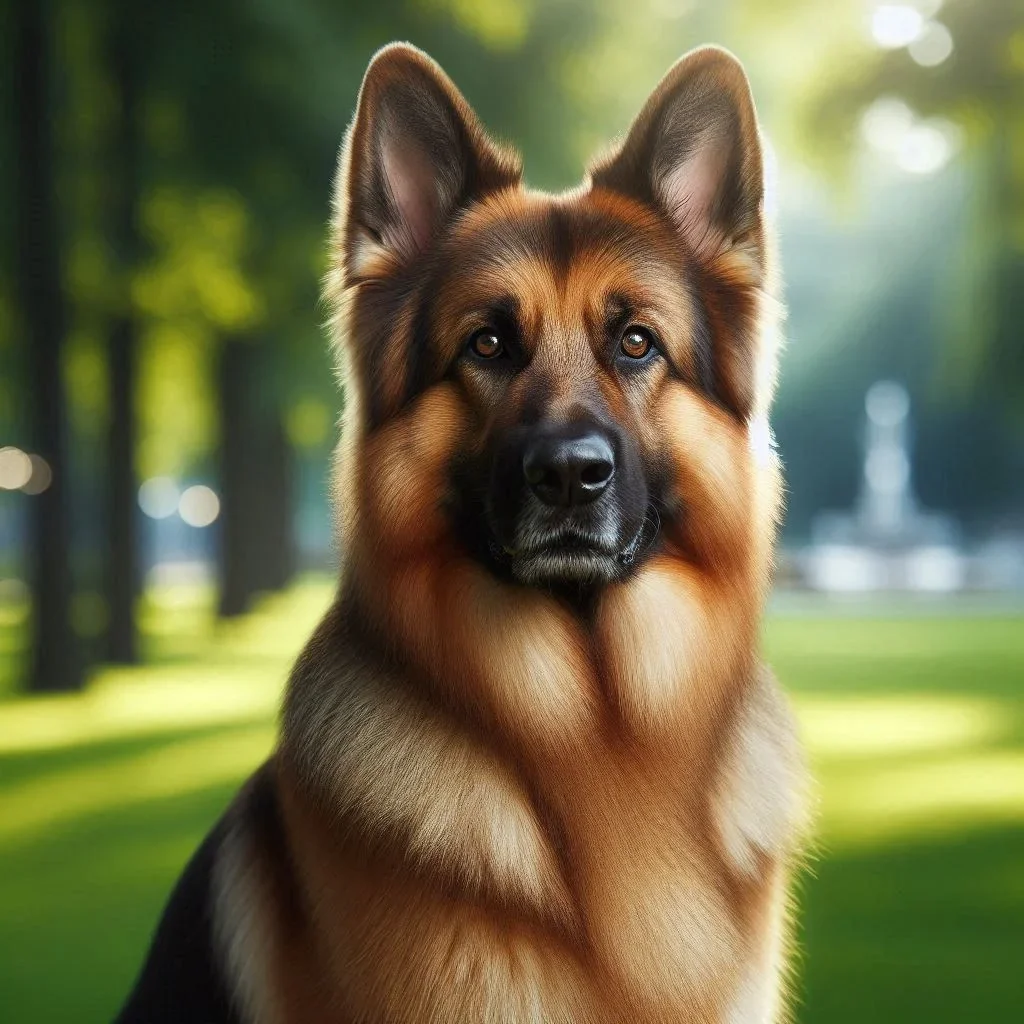
- German Shepherd – Renowned for intelligence and loyalty, the German Shepherd is a classic police and military dog. Its protective instincts make it an excellent home guard, and it thrives on tasks that keep it mentally engaged. Learn more on Wikipedia.
- Rottweiler – With a powerful build and confident demeanor, the Rottweiler offers formidable presence. When raised in a stable environment, it can be affectionate with family members while remaining vigilant toward strangers. Details are available at Wikipedia.
- Bullmastiff – Known for its massive size and calm disposition, the Bullmastiff was originally bred to guard estates. Its natural calmness reduces hyper‑reactivity, making it a solid choice for households that want a gentle giant with a strong protective streak. See the breed profile on Wikipedia.
- Doberman Pinscher – Sleek, fast, and highly trainable, the Doberman excels in alerting owners to unusual activity. Its keen sense of smell and quick response time make it a popular choice for personal security. Official breed standards can be found at the American Kennel Club.
Each of these guard dog breeds carries a protective temperament, but they also require consistent training, socialization, and exercise to prevent over‑protectiveness.
Training Guard Dog Breeds Effectively
Even the most disciplined guard dog breed can become a liability without appropriate training. Core training principles for home protection include obedience commands, controlled aggression, and socialization. Here are essential steps to shape a reliable guard dog:
- Basic Obedience: Commands such as “sit,” “stay,” and “come” establish a foundation of respect. Use positive reinforcement techniques to encourage compliance.
- Controlled Guarding: Teach the dog to bark on command and to stop barking when instructed. This prevents constant nuisance barking and helps the owner direct the dog’s alertness.
- Socialization: Expose the dog to a variety of people, sounds, and environments early on. Proper socialization ensures the dog distinguishes between genuine threats and everyday visitors.
- Boundary Training: Clearly define the protected area—whether it’s the front yard, the house, or a specific room. Use markers and consistent cues to delineate these zones.
- Physical and Mental Stimulation: Guard dog breeds have high energy levels. Regular walks, puzzle toys, and task‑oriented activities keep the dog balanced, reducing the risk of destructive behavior.
Integrating professional dog‑training programs, especially those with experience in protection work, can accelerate progress. Remember that a well‑trained guard dog not only protects the home but also becomes a trusted family member.
Legal and Ethical Considerations for Guard Dog Breeds
Ownership of guard dog breeds carries legal responsibilities that vary by jurisdiction. Many municipalities classify certain breeds as “restricted” or require owners to obtain special permits. Before acquiring a guard dog, check local ordinances, insurance policies, and housing regulations. Ignoring these rules can lead to fines, mandatory removal of the animal, or civil liability if the dog causes injury.
Ethical stewardship also means ensuring the dog’s welfare. Guard dogs that are isolated, under‑exercised, or subjected to harsh training methods may develop anxiety or aggression that jeopardizes both family safety and community harmony. Provide adequate shelter, nutrition, veterinary care, and mental enrichment to keep the dog healthy and reliable.
Finally, educate neighbors about your guard dog’s presence. Clear communication can reduce misunderstandings and foster a sense of shared responsibility for neighborhood security.
Conclusion: Choose Wisely, Train Thoroughly, Protect Confidently
Guard dog breeds offer a unique blend of loyalty, strength, and instinctive vigilance that makes them invaluable assets for home protection. By selecting a breed that matches your household’s needs, committing to structured training, and adhering to legal and ethical standards, you can enjoy peace of mind while providing a fulfilling life for your canine companion. Ready to strengthen your home’s security with a trusted guard dog? Contact a reputable breeder or adoption center today and start the journey toward a safer, more confident home environment.
Frequently Asked Questions
Q1. What makes a guard dog breed different from a regular pet?
Guard dog breeds have been selectively bred for traits like territorial instinct, courage, and a heightened alertness to strangers. They possess a natural drive to protect their home and family, which regular pets often lack. This innate vigilance makes them effective deterrents and early warning systems.
Q2. Are guard dog breeds safe for families with children?
Many guard dog breeds can be gentle and affectionate with family members, especially when raised with proper socialization and consistent training. Breeds such as the German Shepherd, Rottweiler, and Bullmastiff are known to coexist peacefully with children. However, supervision and clear boundaries are essential to prevent misunderstandings.
Q3. How much exercise does a guard dog need daily?
Most guard dog breeds require at least 1–2 hours of physical activity each day, split between brisk walks, play sessions, and mental stimulation. Without adequate exercise, they may develop anxiety or become overly protective. Incorporating training drills or puzzle toys can also satisfy their mental needs.
Q4. Do I need a professional trainer for a guard dog?
While basic obedience can be taught by dedicated owners, professional guidance is highly recommended for advanced protection work and controlled aggression training. An experienced trainer ensures safety for both the dog and household members. It also helps to avoid common pitfalls that could lead to unwanted aggression.
Q5. What legal considerations should I check before getting a guard dog?
Research local ordinances for breed-specific legislation, licensing requirements, and insurance restrictions. Some municipalities require permits or limit certain breeds. Understanding these rules prevents fines, liability issues, and possible removal of the dog.