Tips to Keep Senior Dogs Healthy and Active
As dogs age, their needs change, and ensuring they remain healthy and active becomes a top priority. Senior dogs require extra care to maintain their physical and mental well-being. In this post, we’ll explore practical tips to help you keep your senior dog healthy, happy, and active.
Supporting Your Senior Dog’s Health and Well-being
Aging is a natural part of life, and while we can’t stop the clock, we can take proactive steps to support our senior dogs. Here’s how you can help your furry friend enjoy their golden years to the fullest.
1. ** Provide a Balanced Diet
Diet plays a crucial role in maintaining your senior dog’s health. As dogs age, their metabolism slows down, and their nutritional needs change. Senior dog food is specifically formulated to address these changes, with ingredients that support joint health, digestion, and weight management. Look for senior dog food that contains:
- Glucosamine and chondroitin: To support joint health and reduce arthritis symptoms.
- Omega-3 fatty acids: To combat inflammation and keep the coat shiny.
- Antioxidants: To fight free radicals and promote overall health.
- Easy-to-digest ingredients: To prevent stomach issues.
Consult your veterinarian to determine the best diet for your senior dog based on their breed, size, and health conditions.
2. **Encourage Gentle Exercise
Senior dogs still need exercise to stay active and mobile, but their workouts should be gentler and shorter than those of younger dogs. Over-exertion can lead to injuries or exacerbate existing health issues. Here are some ways to keep your senior dog active:
- Short walks: Replace long, strenuous walks with shorter, leisurely strolls. Aim for 2-3 short walks a day.
- Playtime indoors: Engage your dog in low-impact activities like fetch in a hallway or quiet playtime with toys.
- Swimming: If your dog enjoys water, swimming is an excellent low-impact exercise that’s easy on the joints.
- Avoid high-impact activities: Skip jumping, running, or activities that put strain on their joints.
3. **Monitor Their Health
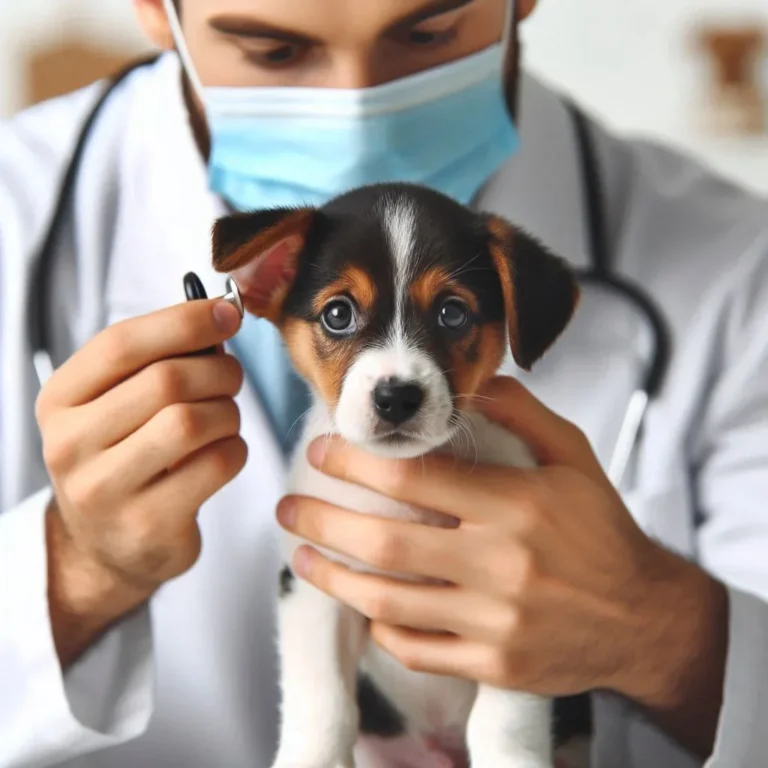
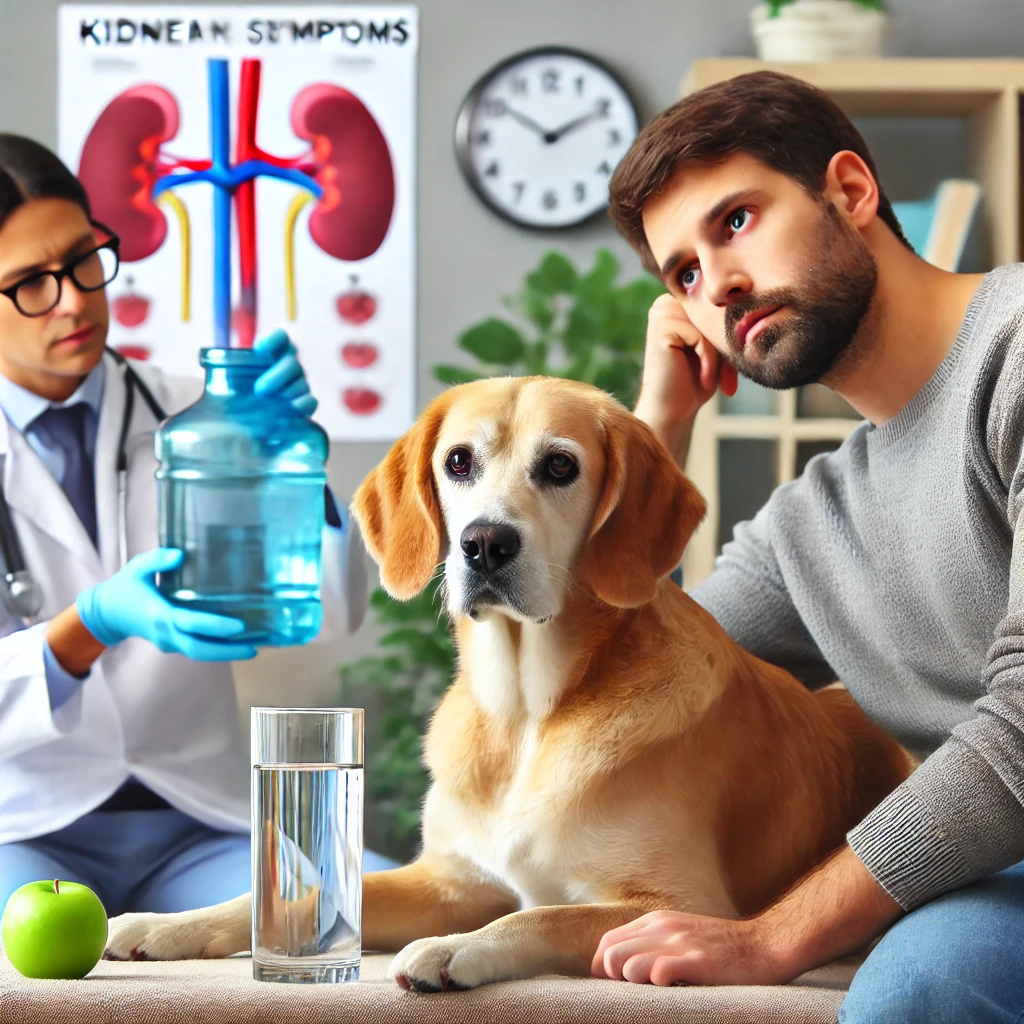
Senior dogs are more prone to health issues, such as arthritis, kidney disease, and dental problems. Regular veterinary check-ups are essential to catch potential problems early. Your vet may recommend:
- Regular bloodwork: To monitor organ function and detect issues like kidney or liver disease.
- Dental care: To prevent tartar buildup and gum disease.
- Weight management: To avoid obesity, which can lead to a host of health issues.
- Pain management: To address arthritis or other painful conditions.
Learn more about the importance of regular veterinary care for senior pets.
4. **Support Their Cognitive Health
Just like humans, dogs can experience cognitive decline as they age. This condition, known as canine cognitive dysfunction (CCD), can lead to symptoms like confusion, memory loss, and changes in sleep patterns. To support your senior dog’s cognitive health:
- Engage their mind: Use puzzle toys and interactive games to challenge their mind and keep them mentally stimulated.
- Stick to a routine: A consistent daily schedule can provide stability and reduce anxiety.
- Consider supplements: Certain supplements, such as L-carnitine and alpha-lipoic acid, may help support cognitive function in senior dogs.
For more information on CCD and how to manage it, visit Purdue University’s article on the topic.
5. **Ensure Their Safety and Comfort
As your dog ages, they may become less agile and more susceptible to injuries. Here’s how to ensure their safety and comfort:
- Prevent falls: Make sure your home is free of hazards like loose rugs or slippery floors. Use non-slip mats in areas your dog frequents.
- Provide supportive bedding: Invest in a high-quality orthopedic dog bed to support their joints and ensure a comfortable rest.
- Assist with mobility: If your dog struggles with stairs or getting into cars, consider using ramps or stairs to make things easier for them.
- Keep them warm: Senior dogs may feel the cold more intensely. Provide a warm blanket or a heated bed for chilly days.
6. **Don’t Forget Dental Care
Dental health is often overlooked, but it’s crucial for your senior dog’s overall well-being. Poor dental health can lead to bad breath, pain, and even systemic infections. Here’s how to keep their teeth clean:
- Brush their teeth: Use a dog-specific toothbrush and toothpaste to clean their teeth regularly.
- Provide dental chews and toys: Dental chews and toys can help reduce tartar buildup.
- Schedule dental cleanings: Your vet may recommend professional dental cleanings to remove plaque and tartar.
7. **Create a Routine
A consistent daily routine can provide your senior dog with a sense of security and stability. Include regular feeding times, playtime, and rest periods. A predictable routine can also help you monitor any changes in your dog’s behavior or health.
Final Thoughts
Keeping your senior dog healthy and active requires attention to their dietary, physical, and mental needs. By providing the right care and attention, you can help them enjoy a happy and fulfilling life well into their golden years. Remember to consult your veterinarian for personalized advice tailored to your dog’s specific needs.
If you found these tips helpful, share them with fellow dog owners who care about their senior pets. Together, we can ensure our furry friends receive the love and care they deserve.
Call to Action: Have any tips for caring for senior dogs? Share your experiences in the comments below! If you’re concerned about your dog’s health, always consult a veterinarian for professional advice.