Tips to Create Calming Spaces for Anxious Cats
Start with a gentle reminder that homes are more than structures; they’re ecosystems where pets thrive. As a cat owner, you’re already aware of how a single doorway can feel like a bridge to adventure. But what happens when that bridge feels more like a thunderstorm? For anxious cats, everyday stimuli—like doors opening or sudden movements—can trigger a physiological “fight or flight” response.
What Makes a Cat Anxious?
The condition commonly referred to as cat anxiety can manifest as:
- Restlessness and pacing
- Hiding or avoidance of familiar spaces
- Excessive grooming or self‑bathing
- Aggressive vocalization
- Reluctance to eat or drink
According to a comprehensive review on cat anxiety, these behaviors stem from environmental stressors, changes in routine, or even genetics. Identifying the root cause is the first step toward offering a calm refuge.
The Power of a Structured Sanctuary
Creating a calming space isn’t just a luxury—it’s a behavioral intervention that can reduce cortisol levels, the hormone associated with stress. Veterinarians at the Cornell University Feline Health Center emphasize that a well‑planned environment can improve both mental and physical health.
1. Choose a Quiet Corner
- Location: Place the space on a quiet side of the house—ideally a room with minimal foot traffic.
- Noise dampening: Layer rugs, install soft curtains, and consider a white‑noise machine to mask sudden household sounds.
- Lighting: Use dim, indirect lighting. A gentle nightlight can help your cat transition between day and night without a jolt.
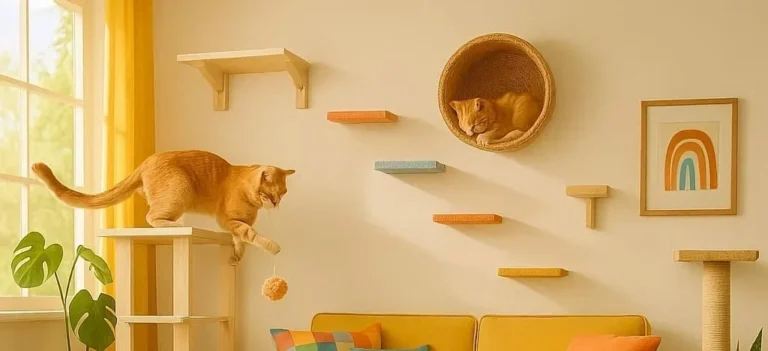
2. Incorporate Elevated Perches
Cats are natural roosters. Elevation gives them a sense of safety and command over their environment. Provide:
- Sturdy cat trees or simple balcony‑style platforms.
- Nesting boxes—especially those made from lightweight, weather‑proof material.
- Lattice pads that allow your cat to spread out yet remain close to the ground.
3. Tailor the Bedding
- Soft, plush fabrics: Avoid rough or scratchy textures.
- A scent‑neutral bed: Use materials that retain your cat’s natural body scent, which is comforting.
4. Offer Sensory Comforts
- Catnip or silverleaf: These act as natural anxiolytics.
- Feliway diffusers: This synthetic pheromone mimics a cat’s own calming scent. Multiple studies show a measurable drop in stress behaviors when used consistently.
5. Keep the Space Clutter‑Free
Your feline friend benefits from an uncomplicated layout. Avoid:
- Excessive toys that can become overstimulating.
- Sharp corners or uneven surfaces.
- Unused furniture that creates hiding spots for strangers.
6. Limit Exposure to Unfamiliar Stimuli
- Doors and windows: Install secure screens to block stray cats or birds.
- Pets and children: Ensure that interactions remain gentle and predictable—use soft, consistent tones.
Practical Steps to Set Up the Space
Below is a step‑by‑step guide you can follow.
Step 1: Audit the Room
- Map out high‑traffic pathways.
- Identify noisy appliances.
- Note direct sunlight exposure.
Step 2: Reduce Noise
Apply sound‑absorbing panels to walls or add a thick rug across the floor. White‑noise machines can provide a background hum that masks sporadic household sounds.
Step 3: Add Vertical Elements
Position a cat tree near a sunny window, or create a DIY perch using horizontal shelves. Encourage your cat with treats to explore the new height.
Step 4: Incorporate Scent and Pheromones
Place a Feliway diffuser in the lower corner of the room. Add a small amount of catnip to a puzzle feeder to enrich the environment pleasantly.
Step 5: Monitor & Adjust
Observe your cat for at least two to three weeks. If behavioral changes (like increased grooming or avoidance) persist, consider minor adjustments—perhaps a different bedding material or a smaller perch.
Why It Works: The Science Behind Calming Spaces
Studies conducted by the Veterinary Behavior Department at the University of Glasgow reveal that cats exposed to structured environments report reduced heart rates and lower cortisol levels after stressors. The key elements—quiet, safe enclosures, elevated platforms, and scent‑neutral bedding—contribute to a sense of autonomy and security.
Furthermore, the American Veterinary Medical Association’s guidelines on cat welfare state that an enriched environment can decrease the onset of pathological behaviors related to anxiety.
Frequently Asked Questions
Q1: How long does it take for my cat to adjust?
A1: Most cats adapt within 1–2 weeks, though older or highly anxious felines may need extra patience. Keep the environment consistent.
Q2: Can I use cat furniture that looks modern?
A2: Absolutely. Modern designs can be both stylish and functional—just make sure they’re sturdy and free of harsh textures.
Q3: Are there any risks to having too many toys?
A3: Over‑excitation is a real risk. Limit the number of active toys to one or two engaging activities per day.
Take the Next Step to Ease Your Cat’s Anxiety
You’ve now armed yourself with evidence‑based strategies that can dramatically improve your cat’s well‑being. Remember: consistency is key. Treat the space as a sanctuary—not a play area—and monitor how your kitty responds.
If you’re ready to transform your cat’s living environment and witness a calmer, happier companion, start small: pick one corner and implement the four pillars—quietness, elevation, sensory comfort, and clutter management. Observe, tweak, and watch the tension melt away.
Ready to bring tranquility home? Share your own cat‑calming space ideas in the comments or schedule a consultation with a certified veterinary behaviorist to tailor a plan specifically for your feline friend.
Final Thought
Your cat’s anxiety is not a permanent label—it’s a state you can manage. By designing a calming, structured sanctuary, you’re not just building a room—you’re cultivating a haven that nurtures health, confidence, and companionship. Enjoy the journey of making every purr and gentle nuzzle a testament to the power of a thoughtfully crafted space.