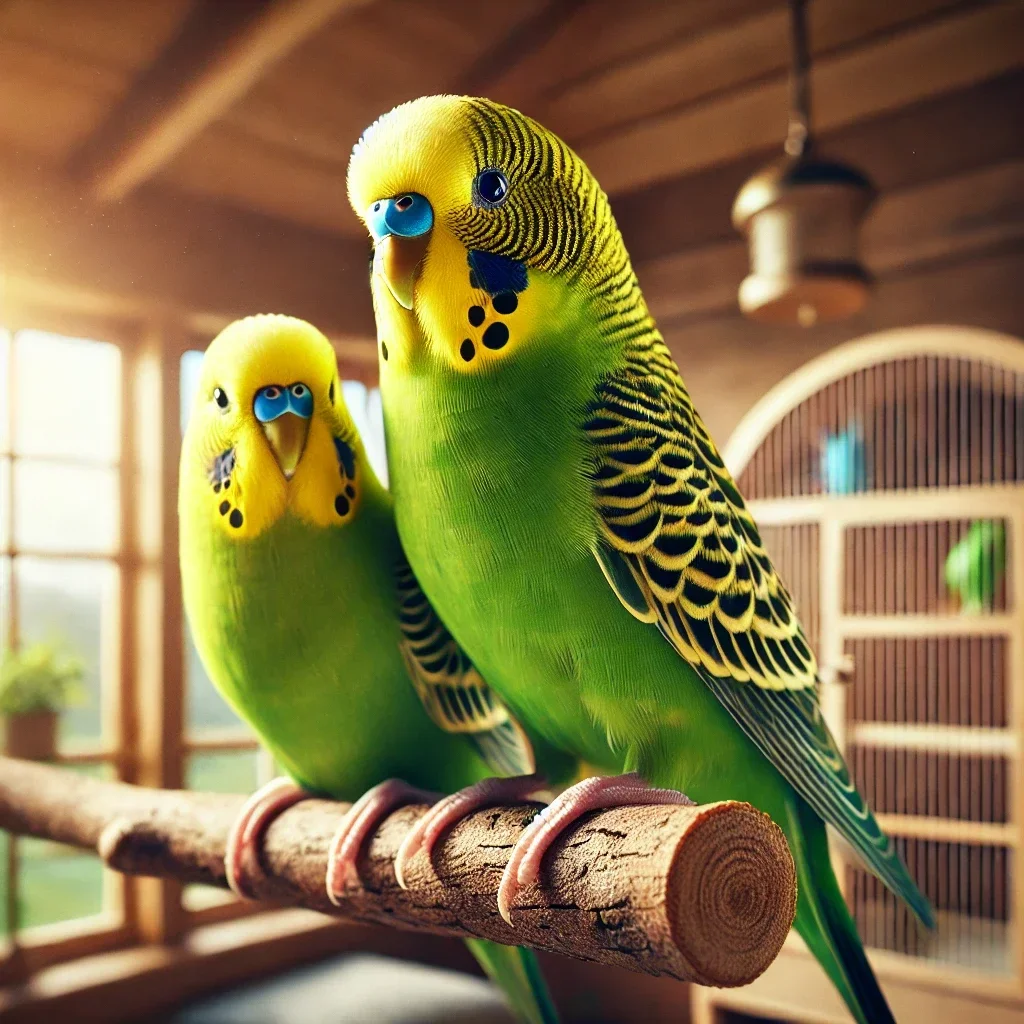
Tips for Successfully Hand-Feeding Baby Birds
Hey there, bird lovers! If you’ve ever found yourself in a nest of baby birds and wondered how to give those tiny feathers some nourishment, you’re in the right place. Hand-feeding baby birds is a rewarding yet delicate task that requires patience, the right tools, and a solid understanding of the chicks’ nutritional needs. This guide walks you through every step—from choosing the correct food mix to monitoring growth and ensuring safety—so you can help these little ones thrive.
Why Hand-Feeding Matters
Baby birds are incredibly vulnerable during the early days after hatching. Without the parent’s constant presence, they face dehydration, inadequate nutrition, and increased risk of predators. Hand-feeding fills that critical gap by providing:
- Consistent nutrition: Each chick gets a balanced diet tailored to its developmental stage.
- Safe environment: Keeps the chick away from potential hazards while you treat them.
- Monitoring opportunities: Allows you to observe weight gain, activity, and health closely.
Wildlife Rehabilitation
Rehabilitation centers rely on hand-feeding to rescue orphaned or injured bird chicks. The success rate of reintroductions hinges on early, expert care. For more on natural chick development, visit the bird chick page on Wikipedia.
Essential Tools & Supplies
Gathering the right equipment eliminates many common mistakes. Here’s a quick checklist:
- Feeding syringe or dropper (20‑50 µL): For precise dosing.
- Nutrient‑rich starter feed: Commercial mixes or homemade formula (see next section).
- Small bowls or silicone molds: For easy transfer.
- Thermometer: To keep feeding liquid around 37 °C (98.6 °F).
- Clean gloves & hand sanitizer: Maintains hygiene.
- Weighing scale: Track daily weight gain.
- Notebook or digital log: Record feed volume, weight, and behavior.
Consider stocking extras to avoid interruptions, especially during intensive rehabilitation.
Preparing the Right Food Mix
The foundation of successful hand-feeding is the formula. Below are common options:
| Type | Pros | Cons |
|——|——|——|
| Commercial starter feed | Consistent quality, easy to mix | Can be expensive |
| Homemade soft egg or chicken broth | Natural proteins & vitamins | Requires careful preparation |
| Royal gel (gelatin‑based) | Mimics natural droppings, easy to digest | Needs refrigeration |
Recommended Formula: 70% commercial starter + 30% boiled eggshell and water
- Coarsely grind a boiled egg without the shell; add it to the starter feed.
- Add water until the mixture reaches a jelly‑like consistency.
- Adjust temperature so the mix is warm but not hot.
This blend supplies protein, calcium, and essential fats that chicks need for bonding and growth.
Choosing the Right Feeding Schedule
Timing is critical to mimic natural parental feeding rhythms. Use the “3‑minute rule”: a chick can typically eat within three minutes of being offered food. If it doesn’t finish, gently wipe the syringe with a clean cloth and re‑offer.
- Day 1–2: 4‑5 mL per chick, every 4 hours.
- Day 3–5: Increase to 6 mL, every 3 hours.
- Day 6–10: Offer 8 mL, every 2 hours; begin introducing small amounts of dried feed.
- Day 11+: Transition to a 20‑30 mL mix plus 1 g of soft kibble per chick, every 1.5 hours.
Always monitor for signs of over‑ or under‑feeding: lethargy, puffiness, or excessive droppings can indicate a problem.
How to Hand-Feed: Step‑by‑Step
- Wash your hands and don gloves.
- Warm the food to 37 °C (98.6 °F) using a thermometer.
- Position the chick on a clean surface or a small towel.
- Gently insert the syringe tip into the esophagus, ensuring the nipple doesn’t over‑extend.
- Release slowly, watching the chick swallow. Avoid forcing the feed.
- Observe the response. A choked or gagging chick may need repositioning.
- Record the volume and time after each feeding.
- Clean the syringe and prepare the next dose.
Consistency reduces stress for both chick and caretaker.
Common Mistakes & Tips
| Error | Why It Happens | Fix |
|——-|—————-|—–|
| Over‑feeding | Confusion with adult feeding schedules | Follow the 3‑minute rule and adjust per weight gain |
| Improper temperature | Food cooling quickly in a warm environment | Use a small, insulated container or a warming pad |
| Reusing syringes | Cross‑contamination risk | Sterilize or use disposable syringes |
| Feeding too late | Missed daily windows | Set alarms or use a feeding log |
A frequently overlooked tip: use a small, soft‑balled ball as a visual cue. When the chick is ready to eat, tap the ball lightly to gather its focus.
Monitoring Growth & Health
Weekly checkups are essential:
- Weight: Aim for a 10–15 % daily weight gain. Plateaus may require diet adjustments.
- Behavior: Active, alert chicks usually eat well.
- Physical signs: Check for feather development, eye clarity, and stool consistency.
- Viral signs: Watch for coughing, nasal discharge, or abnormal droppings—contact a vet if seen.
Record your observations in a log to identify trends—and to communicate with wildlife partners if needed.
Transitioning to Natural Food
Around the 21‑day mark, chicks can start receiving small amounts of natural prey:
- Insects (crickets, mealworms) for protein.
- Plants or seeds (depending on species).
- Water: Offer fresh water from a shallow dish.
Gradually replace syringe feeding with spontaneous foraging opportunities. This mimics the parent’s nurturing and teaches natural foraging behavior.
Safety & Hygiene Practices
Maintaining a sterile feeding environment guards against infections:
- Sanitizing utensils with a 70 % alcohol solution.
- Disposing of used syringes promptly.
- Cleaning feeding areas with hot, soapy water daily.
- Protecting the chicks from drafts and predators.
If you’re handling wild species, consider consulting local wildlife authorities for permits and guidance.
Resources & Further Reading
- Cornell Lab of Ornithology – Comprehensive bird‑care literature: Cornell Lab of Ornithology
- BirdLife International – Global bird conservation initiatives: BirdLife International
- National Wildlife Federation – Guidelines for rehabilitating orphaned bird chicks: National Wildlife Federation
These sources offer deeper dives into species‑specific feeding routines and rehabilitation protocols.
Final Thoughts: Your Role in Their Journey
Hand‑feeding baby birds is more than a chore—it’s an act of compassion that can save lives. By equipping yourself with the right knowledge, tools, and mindset, you become a vital partner in the feathered world’s delicate tapestry. Remember:
- Stay consistent with feeding times.
- Keep hygiene top priority.
- Observe closely—small changes can signal big needs.
- When you’re ready, hand-deliver their first natural meal and watch the magic happen.
Ready to give those tiny wings a fighting chance? Share your hand‑feeding milestones, ask questions, or start your own rescue project today. Together, we can turn fledglings into free‑flying hopefuls.
Take Action: If you’re planning to hand‑feed an orphaned chick, start by gathering the essential tools listed above and preparing your first formula. Record everything; the data will guide you toward success. And don’t forget—every tiny bird you nurture today contributes to the vibrant chorus of tomorrow.
Happy feeding!