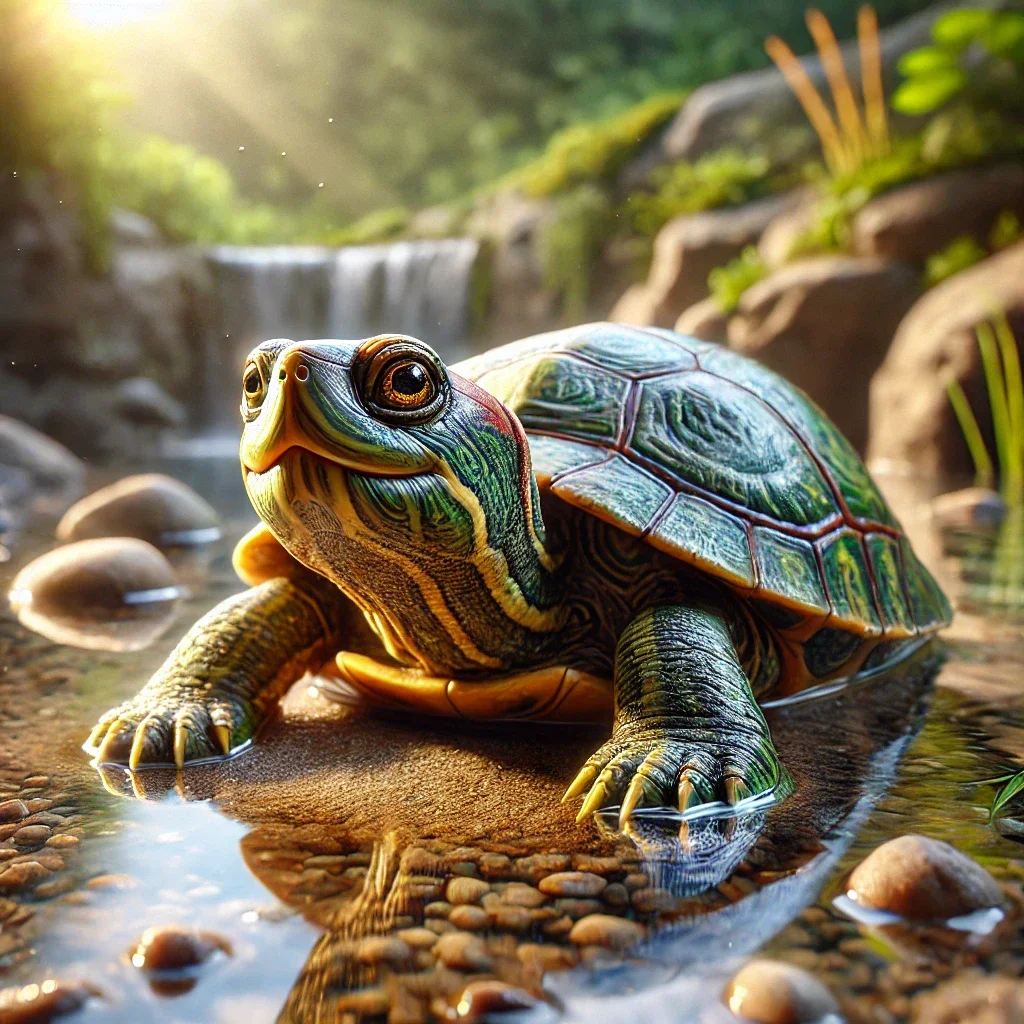
Tiny Pets With Cute Habits
When you think of Tiny Pets, images of pint-sized companions scurrying, chirping, or gliding across a countertop often pop into mind. Yet beyond their diminutive size lies a world of surprisingly endearing habits that can turn a simple glance into a lasting fascination. From quirky sleep routines to social gestures that seem almost human, these small creatures demonstrate personality traits that rival those of larger animals. In this article, we explore the most charming behaviors of popular tiny pets, illustrate why they make delightful companions, and offer practical insights for anyone considering adding a miniature marvel to their home.
Playful Patterns of Tiny Pets
Even the most unassuming tiny pet can exhibit a playful streak that delights owners. Take the hamster, for example. Although often labeled as a solitary animal, hamsters love to tunnel, hoard, and sometimes engage in spontaneous sprint races on their wheel. Their nocturnal nature means they often become the most active members of the household after sunset, providing evening entertainment for night owls.
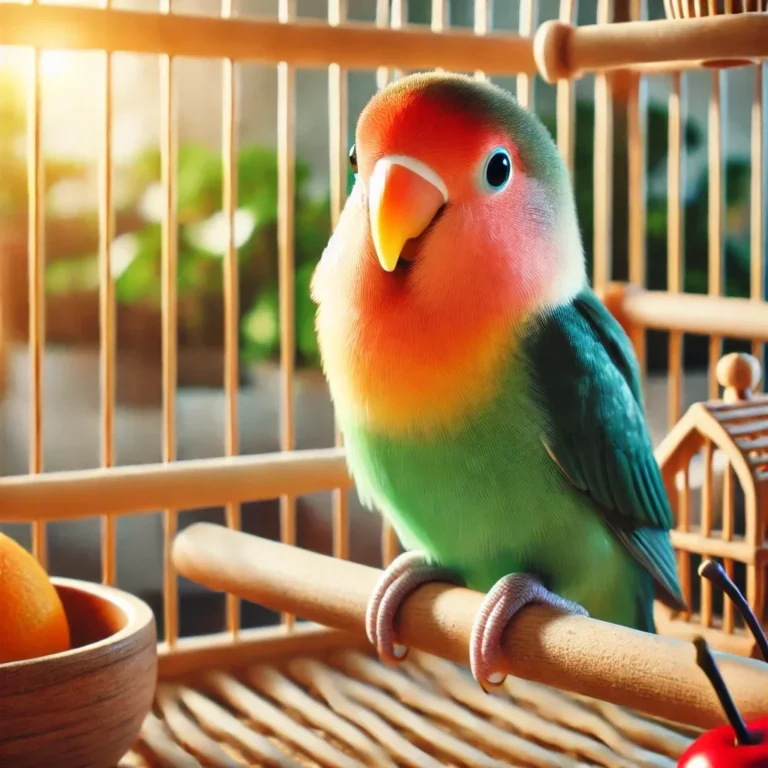
Budgerigars, affectionately called budgies, are another tiny pet known for their playful nature. These small parrots love to mimic sounds, swing from perches, and engage in gentle teasing with their owners. Their ability to learn simple tricks, such as stepping onto a finger or responding to a whistle, showcases their intelligence and zest for interaction.
Surprising Sleep Rituals
One of the most adorable habits observed in tiny pets is their unique approach to sleep. Axolotls, the charismatic amphibians often kept in aquariums, demonstrate a fascinating sleep pattern: they remain motionless for extended periods, barely moving their feathery gills, while still appearing alert to their surroundings. This meditative state can last up to 12 hours, giving owners a glimpse into the serene world of these aquatic wonders.
Sugar gliders, though slightly larger than typical pocket pets, have a captivating habit of curling into a tight ball and forming a “pouch” with their hind legs when they nap. This position conserves body heat and mirrors the way they would nest in the wild, creating an irresistibly cute sight for any observer.
Social Bonds That Melt Hearts
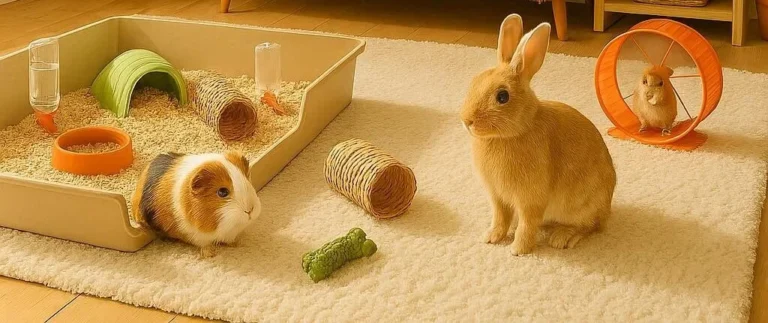
Despite their size, many tiny pets form deep social connections. The guinea pig, often overlooked as a low-maintenance pet, displays intricate social behaviors such as “purring” and “wheeking” to communicate affection or excitement. When two guinea pigs bond, they may sit side by side, grooming each other’s fur—a behavior known as allogrooming that strengthens group cohesion.
Even solitary species can develop meaningful relationships with humans. A well‑trained budgerigar may greet its owner at the cage door with a cheerful chirp, akin to a dog’s wagging tail. These interactions reinforce the pet’s sense of security and demonstrate how tiny pets can become integral members of the family.
Unexpected Grooming Tricks
Grooming is a habit often associated with larger mammals, yet many tiny pets have developed astonishing self‑care routines. Hamsters meticulously clean their whiskers with their forepaws after foraging, a behavior that ensures sensory precision. Similarly, budgies use their beaks to preen feathers, aligning each plume to maintain optimal insulation and flight capability.
Below is a quick list of five tiny pets renowned for their particularly cute grooming habits:
- Hamster – nightly whisker and fur cleaning.
- Budgerigar – feather preening with rhythmic beak strokes.
- Guinea pig – gentle self‑scratching using hind paws.
- Axolotl – subtle gill fluttering that clears debris.
- Sugar glider – fur licking to remove dust and parasites.
These routines not only keep the animals healthy but also provide entertaining visual cues for owners who love to watch their tiny companions stay pristine.
Health and Happiness: Caring for Tiny Pets
Understanding cute habits is only half the equation; responsible care ensures those behaviors continue to thrive. According to the USDA Animal and Plant Health Inspection Service, providing a habitat that mimics a pet’s natural environment—such as appropriate substrate for hamsters or safe perches for budgies—supports both physical health and behavioral expression.
Regular veterinary check‑ups, a balanced diet tailored to each species, and environmental enrichment, like tunnels for hamsters or toys for budgies, are essential components of a holistic care plan. By meeting these needs, owners promote the natural instincts that make tiny pets so endearingly cute.
Additionally, social enrichment plays a pivotal role. For social species like guinea pigs, offering a companion of the same kind prevents loneliness and encourages natural grooming and vocalizing habits. For more solitary pets, consistent human interaction—talking, gentle handling, and offering puzzle feeders—helps satisfy their curiosity and reduces stress.
Finally, always source your tiny pet from reputable breeders or rescue organizations to ensure ethical treatment and healthy genetics. Many shelters now specialize in small mammals and birds, providing an opportunity to give a home to an animal in need while enjoying the unique charms they bring.
Conclusion: Embrace the Charm of Tiny Pets
From playful sprints on a wheel to delicate grooming rituals, Tiny Pets showcase an array of surprisingly cute habits that captivate hearts worldwide. Their small stature belies a rich emotional and behavioral repertoire that, when nurtured responsibly, offers owners endless delight and companionship.
Ready to discover the joy of a tiny pet? Explore reputable breeders, visit local shelters, and start a new chapter filled with endearing habits that will brighten every day. Dive deeper into the world of small companion animals and let the charm of these miniature marvels transform your home.
Frequently Asked Questions
Q1. What tiny pets are best for beginners?
Hamsters, guinea pigs, and budgerigars are popular choices because they are low‑maintenance, adaptable, and have well‑documented care guides. They bond quickly with owners and their habitats are easy to set up. Providing proper enrichment ensures they stay happy.
Q2. How often should I clean a tiny pet’s cage?
Spot‑clean the cage daily by removing waste and soiled bedding. Perform a full deep clean once a week using pet‑safe disinfectants, then replace all bedding and accessories. Regular cleaning prevents odors and protects your pet’s health.
Q3. Do tiny pets need social interaction?
Social species such as guinea pigs and budgerigars thrive on companionship, either from another pet of the same kind or from daily human interaction. Solitary pets like axolotls still benefit from visual enrichment and gentle handling. Interaction reduces stress and encourages natural behaviors.
Q4. What are common signs of stress in tiny pets?
Signs include excessive grooming, loss of appetite, lethargy, and abnormal vocalizations. Changes in sleep patterns or hiding more than usual can also indicate distress. If you notice these behaviors, evaluate the environment and consult a veterinarian.
Q5. How can I enrich my tiny pet’s environment?
Provide tunnels, chew toys, climbing branches, and puzzle feeders that stimulate natural instincts. Rotate toys regularly to keep interest high. Enrichment not only entertains but also promotes mental and physical health.