Tiny Pets Behaviors
When it comes to adding a touch of joy without overwhelming space, tiny companion pets have become a popular choice for apartment dwellers, busy professionals, and families alike. Their petite size, low‑maintenance needs, and often quirky personalities make them ideal for anyone seeking a low‑key yet rewarding pet experience. In this guide we’ll explore why these small animals win hearts, highlight the most beloved species, and reveal the endearing behaviors that keep owners smiling day after day.
Why Choose Tiny Companion Pets?
Choosing a small pet over a larger animal isn’t just about square footage; it’s about lifestyle compatibility. Tiny companions typically require less space, food, and time, allowing owners to maintain a balanced routine while still enjoying the therapeutic benefits of pet ownership. Studies from the Centers for Disease Control and Prevention confirm that interacting with any pet can lower stress hormones, and the gentle, often repetitive actions of tiny pets—like chewing or grooming—amplify that calming effect. Moreover, these creatures often have shorter lifespans, which can be a thoughtful consideration for first‑time pet owners wanting a manageable commitment.
Popular Tiny Companion Pets
Below is a quick snapshot of the most sought‑after tiny companions, each known for distinct traits and ease of care. Click the links for deeper insights.
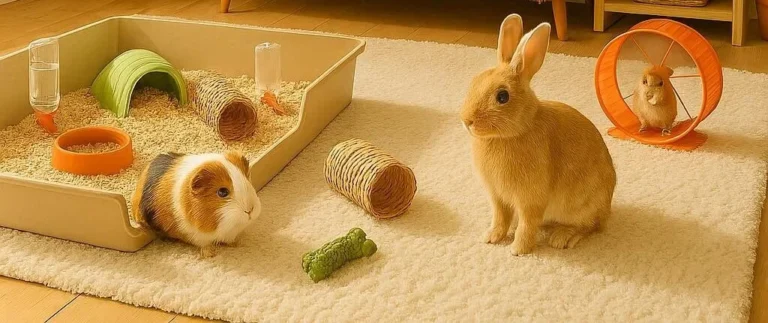
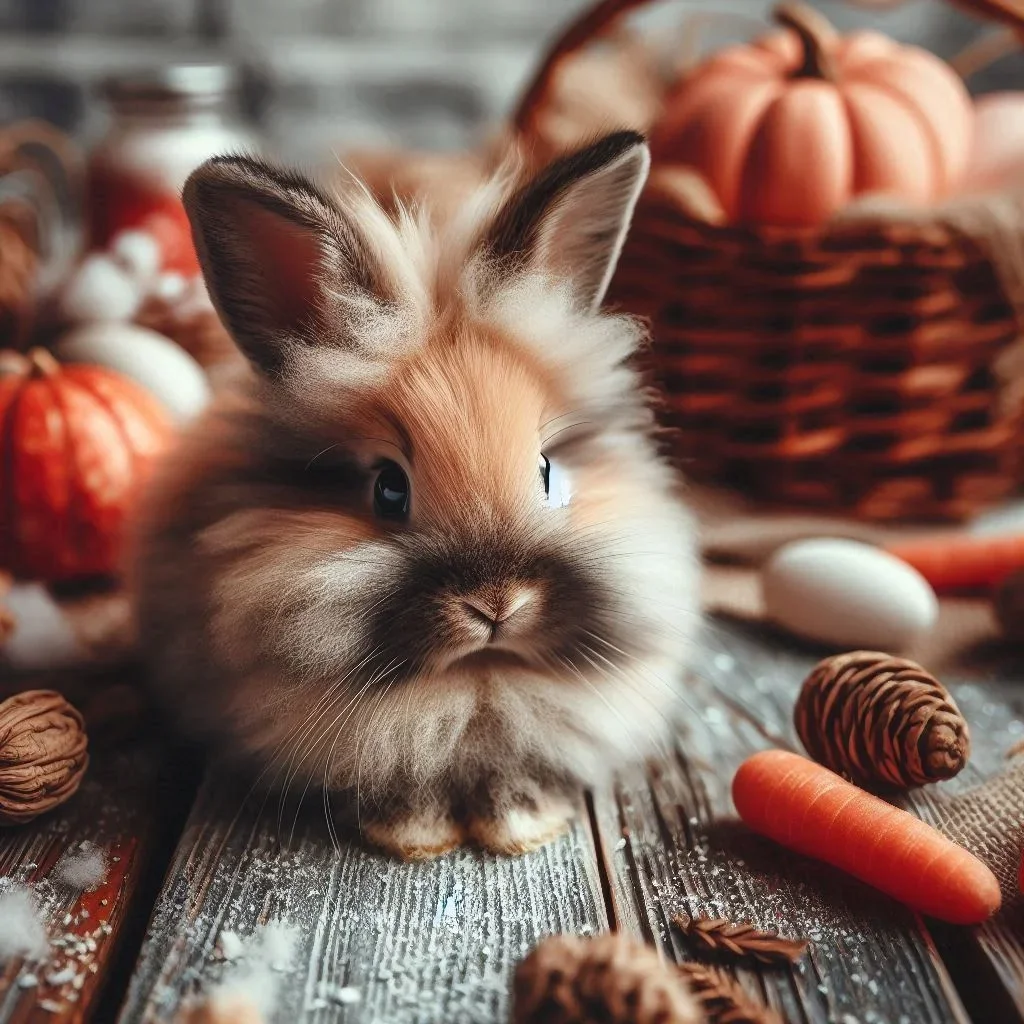
- Dwarf Rabbit – Small, social, and enjoys gentle handling.
- Guinea Pig – Vocal, affectionate, and thrives in pairs.
- Hamster – Nocturnal explorer, loves tunnels and wheels.
- Betta Fish – Colorful, interactive, perfect for a small aquarium.
- Leopard Gecko – Low‑maintenance reptile with charming tail‑waving displays.
Adorable Behaviors to Watch
Beyond their size, tiny companion pets are celebrated for the endearing behaviors that differentiate each species. Recognizing these quirks not only boosts owner enjoyment but also helps you meet their emotional and physical needs.
1. The Hamster’s Wheel Whirl
When a hamster darts onto its wheel, you witness a miniature marathon. This activity is vital for cardiovascular health and provides mental stimulation. Owners often report a calming rhythm that mimics a gentle heartbeat, promoting relaxation for both pet and person.
2. Guinea Pig Popcorn Pops
Guinea pigs are known for “popcorn”—a sudden, excited jump in the air when they sense a favorite treat or a happy moment. This joyful leap signals contentment and can be an indicator of a well‑socialized pet.
3. Dwarf Rabbit Binkies
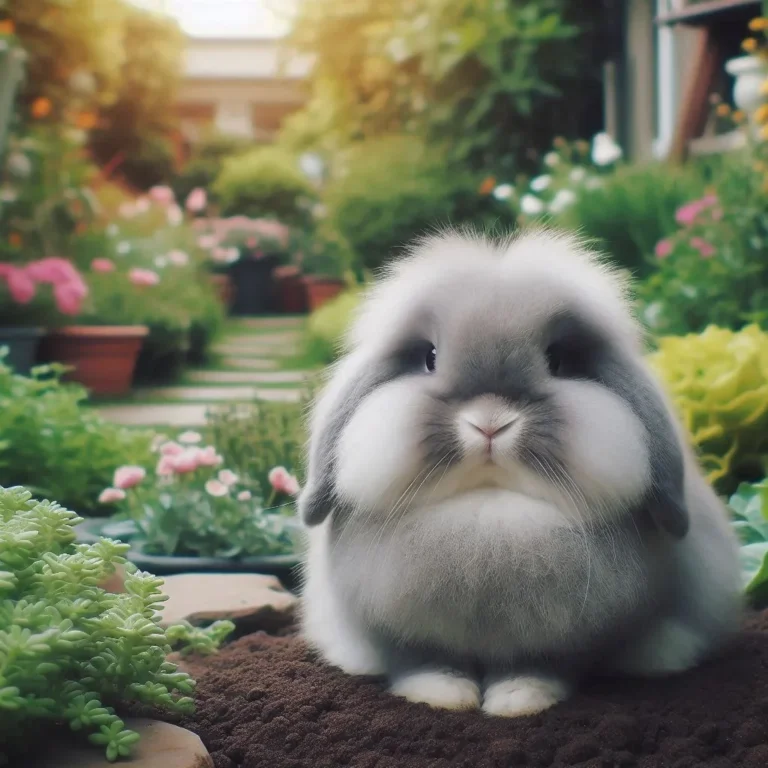
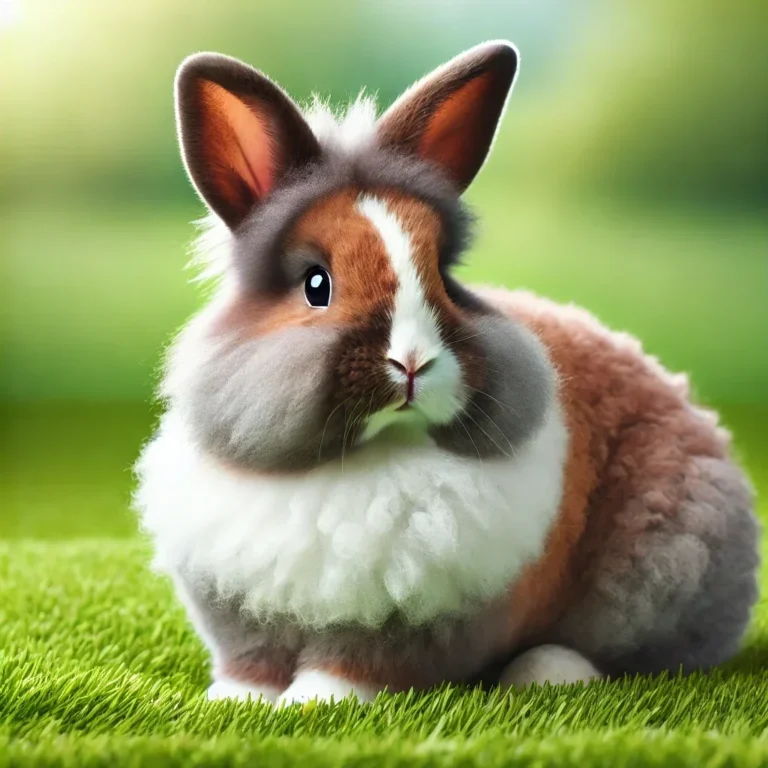
Watch a dwarf rabbit perform a “binky”: a high‑energy leap with a twist of the mid‑air body. Binkies indicate a rabbit’s comfort and security within its environment, a behavior that reflects proper enrichment and bonding.
4. Betta Fish Bubble Nesting
Male bettas construct bubble nests at the water’s surface—a sign of a healthy, stress‑free male ready to breed. Even without a mate, the nest shows the fish’s innate instinct to create a safe space.
5. Leopard Gecko Tail Waves
When a leopard gecko waves its tail slowly, it is communicating contentment or curiosity. This subtle gesture is often misinterpreted, but supervised observation can reveal a pet’s mood without the need for vocal cues.
Caring for Your Tiny Companion Pets
Providing optimal care ensures that the adorable behaviors you cherish continue for years. Below are essential tips that apply across most tiny pet categories:
- Habitat Size: Even the smallest pets need a spacious cage or tank—aim for at least 2–3 times their body length in floor space.
- Environmental Enrichment: Add tunnels, chew toys, or live plants to mimic natural habitats and prevent boredom.
- Balanced Nutrition: Use species‑specific diets; for example, guinea pigs need vitamin C‑rich pellets, while dwarf rabbits thrive on hay and fresh greens.
- Regular Health Checks: Schedule annual examinations with a veterinarian experienced in exotic or small animals, as recommended by the American Veterinary Medical Association.
- Social Interaction: Many tiny pets, such as guinea pigs and rabbits, are social creatures—consider keeping them in compatible pairs or groups.
Following these guidelines not only promotes longevity but also intensifies the bond between you and your miniature friend.
Tips for a Happy Home
Creating a harmonious environment goes beyond basic care. Here are advanced strategies to enrich daily life for both you and your tiny companion pets:
- Rotate Toys: Change toys weekly to sustain curiosity and prevent repetitive behavior.
- Gentle Handling: Use cupped hands for rodents and rabbits to reduce stress, and always support a reptile’s body when moving.
- Background Noise: Soft music or natural sounds can soothe nervous pets, especially during household renovations.
- Observe Body Language: Learn the subtle signs of anxiety—like a hamster’s frantic wheel running or a rabbit’s teeth‑grinding—to intervene early.
By paying attention to these nuances, you’ll cultivate a thriving micro‑ecosystem that showcases the best of tiny companion pet behavior.
Conclusion: Embrace the Joy of Tiny Companion Pets
From the playful wheel spins of hamsters to the graceful binkies of dwarf rabbits, tiny companion pets bring endless delight in a compact package. Their adorable behaviors not only entertain but also provide measurable emotional benefits, making them perfect companions for modern living. Ready to experience the charm firsthand? Explore reputable shelters, research breed‑specific needs, and start your tiny pet journey today. For more expert advice on small‑animal care, visit PetMD and feel free to share your stories in the comments below. Your next pocket‑sized friend awaits!
Frequently Asked Questions
Q1. What makes tiny companion pets ideal for small living spaces?
Because they require minimal floor space, tiny companions fit easily into apartments and studios. Their low‑maintenance diets and grooming needs reduce daily chores. Studies show that even small pets can lower stress hormones, providing big emotional benefits without a large footprint.
Q2. How often should I clean the habitat of a dwarf rabbit?
A dwarf rabbit’s cage should be spot‑cleaned daily to remove soiled bedding and uneaten food. A full clean, including replacing bedding and washing surfaces, is best done once a week. Maintaining a fresh environment helps prevent respiratory issues and encourages healthy binkies.
Q3. Are hamsters social, and can they live with other hamsters?
Most hamster species are solitary and can become territorial when housed together. Syrian hamsters should always live alone, while dwarf hamsters may tolerate pairs if introduced early. Always monitor for fighting and provide separate nesting areas to reduce stress.
Q4. What are the signs of stress in a betta fish?
Stress in bettas often appears as faded colors, clamped fins, or rapid gill movement. They may also hide more than usual or flutter erratically at the surface. Ensuring proper water parameters, a calm environment, and a suitable tank size can alleviate these symptoms.
Q5. How can I encourage my leopard gecko to stay active?
Provide a temperature gradient with a warm basking spot around 90‑95°F to stimulate movement. Adding climbing branches, hiding spots, and occasional live insects can spark curiosity. Regular, gentle handling also builds confidence and promotes natural exploration.