The Ultimate Guide to Feeding Small Pets Safely
Keeping Your Small Pets Healthy: A Complete Feeding Guide
Feeding your small pets is one of the most critical aspects of their care. Whether you have a hamster, gerbil, rabbit, or another small furry friend, ensuring they receive the right nutrients is essential for their health and longevity. This guide will walk you through everything you need to know about feeding small pets safely and effectively.
Understanding Your Small Pet’s Dietary Needs
Before diving into the specifics of feeding, it’s important to understand the unique dietary needs of your small pet. Different species have different requirements, so it’s crucial to research the specific needs of your pet.
Species-Specific Diets
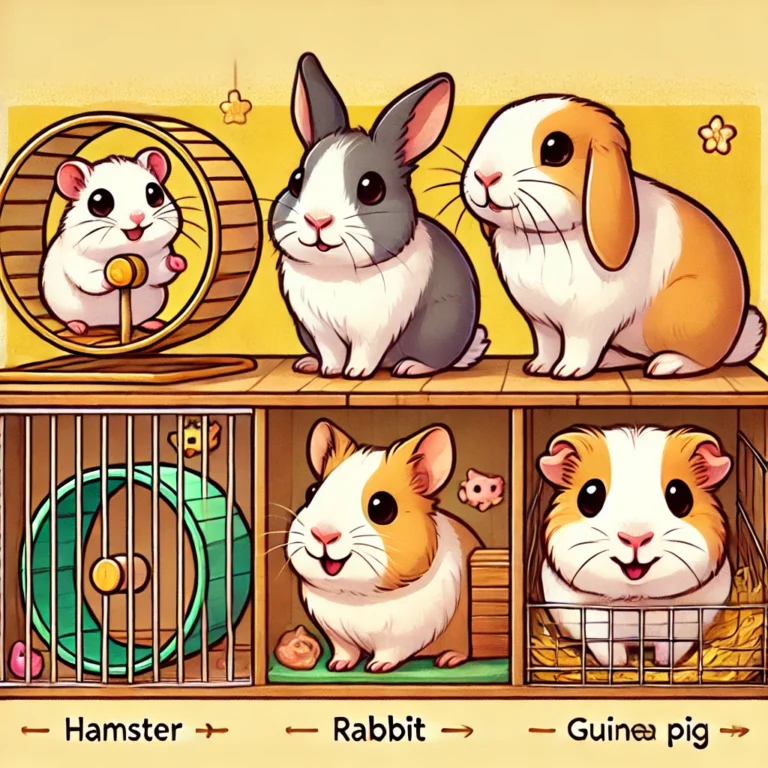
- Hamsters and Gerbils: These small rodents are omnivores and require a balanced diet that includes high-quality commercial pellets, fresh vegetables, and limited amounts of fruits.
- Rabbits: Rabbits are herbivores and need a diet rich in fiber, including hay, fresh vegetables, and limited pellets.
- Guinea Pigs: Guinea pigs are also herbivores and require a diet high in fiber, with plenty of hay, fresh vegetables, and limited pellets.
- Birds: Birds have varying dietary needs depending on the species, but many require a mix of seeds, pellets, and fresh fruits and vegetables.
Choosing the Right Food for Your Small Pet
Commercial Foods
Commercial foods are a convenient and nutritionally balanced option for small pets. Look for high-quality pellets or mixes that are specifically formulated for your pet’s species and life stage (e.g., young, adult, senior).
- Pellets: Pellets are a great base diet for many small pets, as they provide a balanced mix of nutrients. Avoid mixes with added sugars, artificial colors, or fillers.
- Muesli-Style Mixes: These mixes are designed to mimic a natural foraging diet and often include a variety of ingredients like seeds, grains, and dried fruits. However, they should be used in moderation to avoid selective eating.
Fresh Foods
Fresh foods are an essential part of a healthy diet for many small pets. However, not all fresh foods are safe or appropriate for your pet.
Safe Fresh Foods
- Vegetables: Most vegetables are safe for small pets, but some should be given in moderation. Dark leafy greens like kale, spinach, and collard greens are excellent choices for many pets.
- Fruits: Fruits can be a tasty treat for small pets, but they should be given in limited amounts due to their high sugar content. Safe fruits include berries, melons, and apples (without seeds).
- Hay: Hay is a staple for herbivores like rabbits and guinea pigs and provides essential fiber.
Toxic Foods to Avoid
Some fresh foods can be toxic to small pets and should be avoided entirely. These include:
- Onions and Garlic: Belonging to the Allium family, these can cause anemia in small pets.
- Chocolate: Contains theobromine, which is toxic to many animals.
- Avocado: The pit, skin, and leaves of avocados can be toxic to pets.
- Raw or Undercooked Meat: Can contain bacteria like Salmonella, which can be harmful to small pets.
Treats
Treats can be a great way to reward your pet or provide mental stimulation, but they should be given sparingly.
- Healthy Treats: Offer small amounts of fresh fruits or vegetables as treats. Some pets also enjoy chew toys filled with hay or pellets.
- Avoid Unhealthy Treats: Avoid giving your pet sugary or fatty human snacks, as they can lead to obesity and other health problems.
Recognizing Nutrient Deficiencies
A balanced diet is essential to prevent nutrient deficiencies, which can lead to health issues in small pets.
Signs of Nutrient Deficiencies
- Weight Loss: If your pet is losing weight or not gaining weight as expected, it may indicate a lack of calories or essential nutrients.
- Poor Coat Condition: A dull, dry, or brittle coat can be a sign of inadequate protein or vitamin deficiencies.
- Lethargy: A lack of energy or interest in activities can be a sign of malnutrition.
Common Nutrient Deficiencies
- Vitamin D Deficiency: Common in pets that don’t get enough exposure to UVB light, which is necessary for calcium absorption.
- Calcium Deficiency: Essential for bone health, a calcium deficiency can lead to softening of the bones.
- Protein Deficiency: Proteins are essential for muscle growth and repair. A deficiency can lead to muscle wasting and other health issues.
Common Feeding Mistakes to Avoid
Even with the best intentions, it’s easy to make mistakes when feeding your small pet. Here are some common mistakes to avoid:
- Overfeeding: Small pets have small stomachs and can easily become overweight if overfed. Portion control is crucial.
- Underfeeding: On the other hand, underfeeding can lead to malnutrition and health issues.
- Inconsistent Diet: Frequent changes in diet can upset your pet’s digestive system. Introduce new foods gradually and in small amounts.
- Ignoring Hydration: Ensure your pet always has access to fresh, clean water. Dehydration can lead to serious health issues.
Safety Tips for Feeding Small Pets
Feeding your small pet safely requires attention to detail and a commitment to providing a balanced and nutritious diet.
Provide a Balanced Diet
A balanced diet is the foundation of your pet’s health. Stick to high-quality commercial foods as the base of their diet and supplement with fresh foods as appropriate.
Avoid Toxic Foods
siempre, research any new food before offering it to your pet. Some foods that are safe for humans can be toxic to small pets.
Monitor Food Intake
Keep an eye on how much your pet is eating and adjust portion sizes as needed. Small pets have different caloric needs than larger animals, so it’s important to avoid overfeeding.
Store Food Properly
Store your pet’s food in a cool, dry place to preserve its nutritional value and prevent spoilage. Always check the expiration date before feeding.
Conclusion: Keep Your Small Pet Healthy with Proper Nutrition
Feeding your small pet safely requires a combination of knowledge, attention to detail, and a commitment to providing a balanced and nutritious diet. By understanding your pet’s dietary needs, choosing the right foods, and avoiding common feeding mistakes, you can help ensure your small pet lives a long, healthy, and happy life.
If you have any questions or concerns about feeding your small pet, consult with a qualified veterinarian or animal nutritionist for personalized advice.
For more information on small pet care and nutrition, visit the following resources:
Don’t forget to share this guide with other small pet owners to help them provide the best possible care for their furry friends!