The Truth About Exotic Cat Breeds and Their Temperaments
Exotic cat breeds have long captivated feline enthusiasts with their striking appearances and intriguing backgrounds. These unique felines often have distinctive physical characteristics and personality traits that set them apart from more common domestic cat breeds. However, the term “exotic” can be somewhat misleading, as it often refers to cats that are not part of the typical household breeds. In this blog post, we will delve into the truth about exotic cat breeds and their temperaments, exploring what makes them special, the challenges they present, and what potential owners should know before bringing one home.
What Are Exotic Cat Breeds?
Exotic cat breeds are typically defined as breeds that originated from crossing domestic cats with wild or hybrid species, or those that have unique genetic mutations leading to distinct physical traits. Some exotic breeds, like the Bengal or Savannah, are hybrid cats, created by breeding domestic cats with wild species such as the Asian leopard cat or the African serval. These hybrids often inherit some of the wildcat’s appearance and behavior, making them truly one-of-a-kind pets.
Other exotic breeds, such as the Sphynx or the Devon Rex, are known for their unusual coat types or lack thereof. These breeds are not hybrids but are considered exotic because of their rarity and unique appearance. Exotic cat breeds often have a cult following among cat fanciers, and their popularity continues to grow as more people seek out unique and companionable pets.
The Allure of Exotic Cat Breeds
Exotic cat breeds appeal to many cat owners for a variety of reasons. For some, the attraction lies in their striking looks, which can be quite different from the average domestic cat. For others, it’s the promise of a more interesting and interactive pet that draws them in. Many exotic breeds are known for their intelligence, energy, and active personalities, making them engaging companions for those who enjoy an interactive pet.
Additionally, exotic cat breeds often have a more “wild” or “exotic” appearance, which can be a draw for those who appreciate the beauty and mystery of wild animals but do not have the means or desire to care for a true wildcat. Exotic breeds offer a compromise, providing the look and some traits of a wildcat but with the temperament of a domestic pet.
However, it’s important to note that not all exotic cat breeds are suitable for every owner. Some exotic breeds can be challenging to care for, requiring specialized attention, socialization, and understanding. Potential owners must do thorough research into the specific needs and temperaments of an exotic breed before deciding to bring one home.
Common Exotic Cat Breeds and Their Temperaments
Let’s take a closer look at some popular exotic cat breeds and their temperaments to give you a better idea of what to expect.
1. Bengal Cats
The Bengal cat is one of the most popular exotic cat breeds, known for its striking appearance and active personality. Bengals are a hybrid breed, created by crossing domestic cats with the Asian leopard cat. They are recognizable by their distinctive spotted or marbled coat patterns, which give them a wildcat-like appearance.
Bengal cats are highly intelligent and energetic, often described as playful and curious. They are known for their love of climbing, jumping, and exploring their surroundings, and they require plenty of stimulation and exercise to keep them happy and healthy. Bengals are also very vocal and interactive, often “talking” to their owners in a variety of sounds.
While Bengals can make great pets for active households, they are not ideal for everyone. Their high energy levels can be overwhelming for some owners, and they may be too boisterous for families with young children or for people who prefer a more laid-back pet.
2. Savannah Cats
The Savannah cat is another popular exotic breed, known for its tall, slender build and striking coat patterns. Savannahs are a hybrid breed, resulting from the cross between a domestic cat and the African serval, a wild cat native to Africa. Savannahs are known for their striking appearance, with tall ears, long legs, and a coat that often features bold spots or marbling.
One of the defining characteristics of the Savannah cat is its height; Savannahs are one of the tallest domestic cat breeds, with some males reaching up to 18 inches at the shoulder. They are also highly intelligent and curious, often exhibiting dog-like behaviors such as following their owners around the house or playing fetch.
However, Savannahs are not for the faint of heart. They are highly energetic and require a lot of space to move around and exercise. They also have a strong prey drive and may not be suitable for households with small pets such as hamsters, gerbils, or birds. In addition, some states and countries have regulations regarding the ownership of Savannah cats due to their wildcat heritage, so potential owners should check local laws before considering bringing one home.
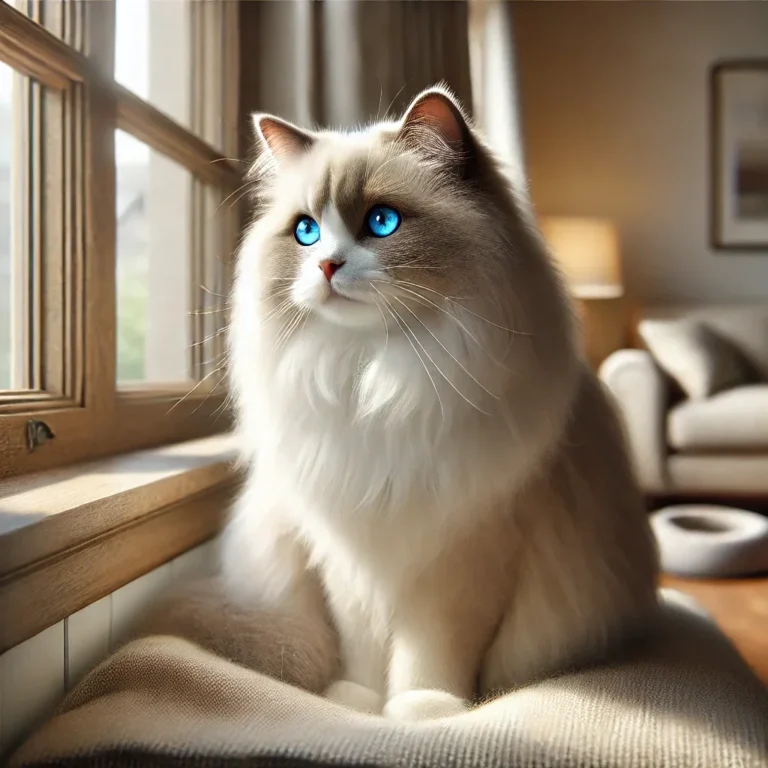
3. Ragdoll Cats
While not as overtly “wild” in appearance as some other exotic breeds, the Ragdoll cat is another popular exotic breed known for its unique temperament. Ragdolls are known for their soft, silky coats and their tendency to go limp when picked up, hence their name.
Ragdolls are often described as affectionate and docile, making them a great choice for families or for people who want a low-maintenance, laid-back pet. They are generally easy-going and adaptable, and they get along well with children and other pets. Ragdolls are also relatively low-maintenance when it comes to grooming, as their coat does not mat or tangle easily.
However, Ragdolls are not as active as some other breeds, and they may not be the best choice for owners who are looking for an interactive or high-energy pet. They are also prone to obesity if overfed, so owners need to be careful with their diet and exercise.
4. Sphynx Cats
The Sphynx cat is one of the most recognizable exotic breeds due to its lack of a coat. While they are often referred to as “hairless,” Sphynx cats are not completely bald; they have a fine, suede-like skin that gives them a unique appearance.
Sphynx cats are known for their affectionate and extroverted personalities. They are often described as Velcro cats because they love to be close to their owners and enjoy curling up in laps or snuggling. They are also extremely intelligent and curious, often getting into mischief or exploring their surroundings with great enthusiasm.
Despite their hairlessness, Sphynx cats do require regular grooming to maintain the health of their skin. They are also more sensitive to temperature extremes, so they need to be kept warm in cold weather and protected from the sun in hot weather. Sphynx cats can make excellent pets for owners who enjoy interactive and attention-seeking cats, but they may not be the best choice for those who prefer a more independent pet.
5. Devon Rex Cats
The Devon Rex is another exotic cat breed known for its unique appearance. Nicknamed the “alien cat” due to its otherworldly appearance, the Devon Rex has a curly, wavy coat that is unlike any other breed. The Devon Rex is often described as having a pixie-like appearance, with large eyes, a slender build, and a mischievous expression.
Devon Rex cats are highly intelligent and active, often described as playful and interactive. They are known for their love of games and puzzles, and they can often be found climbing, jumping, or investigating their surroundings. Devon Rexes are also known for their affectionate nature; they are quick to form strong bonds with their owners and enjoy being the center of attention.
However, Devon Rexes can be quite mischievous and may not be the best choice for owners who are not prepared to deal with a high-energy, curious cat. They also require regular grooming to keep their unique coat in good condition, as their curls can become matted if not properly maintained.
The Challenges of Owning an Exotic Cat Breed
While exotic cat breeds can make wonderful pets for the right owner, they also present some unique challenges that potential owners should be aware of. One of the biggest challenges is the high energy level of many exotic breeds. Breeds like the Bengal, Savannah, and Devon Rex are known for their high energy and require plenty of exercise and stimulation to keep them happy and healthy.
Another challenge is the specialized care that some exotic breeds require. For example, the Sphynx cat requires regular skin care to maintain the health of its skin, while the Savannah cat may require a lot of space to move around and exercise. Additionally, some exotic breeds may have specific dietary needs that must be taken into account.
Exotic cat breeds can also be more expensive to purchase and care for than more common domestic breeds. This is due to the rarity of some breeds, the cost of specialized care, and the potential need for additional equipment such as cat trees, climbing structures, and interactive toys.
Finally, potential owners should be aware that some exotic breeds may be more prone to certain health issues due to their genetic makeup. For example, the Ragdoll breed is prone to hypertrophic cardiomyopathy, a common heart condition in cats, while the Devon Rex may be more susceptible to patellar luxation, a condition where the kneecap slips out of place.
For these reasons, it is essential that potential owners thoroughly research the specific needs and characteristics of an exotic breed before deciding to bring one home. This includes understanding the breed’s temperament, energy level, grooming needs, and potential health issues, as well as the cost of care and any local regulations that may apply.
Things to Consider Before Bringing Home an Exotic Cat Breed
If you are considering bringing an exotic cat breed into your home, there are several things you should take into account to ensure that you are making the right decision for both you and your new pet.
1. Research the Breed
One of the most important steps in deciding whether an exotic cat breed is right for you is to thoroughly research the breed you are interested in. This includes understanding the breed’s temperament, energy level, grooming needs, and potential health issues. You should also consider whether the breed’s needs align with your lifestyle and living situation.
For example, if you live in a small apartment, a high-energy breed like the Savannah or Bengal may not be the best choice, as they require a lot of space to move around and exercise. Similarly, if you are looking for a low-maintenance pet, a breed like the Ragdoll or Sphynx may be a better fit.
2. Understand the Cost
Exotic cat breeds can be quite expensive, with prices ranging from a few hundred to several thousand dollars depending on the breed, bloodline, and other factors. In addition to the initial cost of purchasing the cat, you should also consider the cost of care, including food, vet bills, and any specialized supplies your cat may need.
For example, the Savannah cat is one of the most expensive exotic breeds, with prices ranging from $1,000 to $20,000 or more depending on the generation and quality of the cat. Additionally, Savannahs may require specialized food and veterinary care, which can add to the overall cost of owning one of these cats.
3. Check Local Laws and Regulations
Some exotic cat breeds, particularly those that are hybrids or have wildcat ancestry, may be subject to local laws and regulations. For example, some states and countries have restrictions on the ownership of Savannah cats due to their wildcat heritage, and owners may need to obtain special permits or licenses to keep them as pets.
Before bringing an exotic cat breed into your home, it is important to check with your local government to find out if there are any laws or regulations regarding the ownership of these cats in your area. Failing to comply with these regulations could result in fines or other penalties, so it is crucial to do your homework before purchasing an exotic breed.
4. Find a Reputable Breeder
If you decide that an exotic cat breed is right for you, it is important to find a reputable breeder who can provide you with a healthy, well-socialized kitten. Reputable breeders will be able to answer your questions about the breed, provide information about the kitten’s parents, and offer health guarantees.
Avoid buying from breeders who seem evasive or unwilling to provide information about the kittens or their lineage. These breeders may be running a scam or may not be prioritizing the health and well-being of their cats. Additionally, be cautious of breeders who offer exotic breeds at significantly lower prices than other breeders, as this could be a red flag for a scam or for greatness in the kitten’s lineage or health.
5. Consider Adoption
While exotic cat breeds are not as commonly found in shelters as more common domestic breeds, it is still possible to find exotic cats up for adoption. Many rescue organizations specialize in exotic and hybrid breeds, and adopting from a reputable rescue organization can be a rewarding way to bring an exotic cat into your life.
Adopting an exotic cat can also be more affordable than purchasing from a breeder, as adoption fees are generally lower than the cost of purchasing a kitten. Additionally, adopting an adult cat can be less challenging than raising a kitten, as adult cats may already be litter trained and have a settled temperament.
The Rewards of Owning an Exotic Cat Breed
While owning an exotic cat breed comes with its challenges, it can also be incredibly rewarding for the right owner. Exotic breeds are known for their unique personalities, intelligence, and affectionate nature, making them engaging and loyal companions.
For those who are willing to put in the time and effort to care for an exotic breed, the rewards far outweigh the challenges. Exotic cats can bring joy, laughter, and companionship into your life, and their unique appearance and personality traits make them stand out from more common domestic breeds.
In addition, owning an exotic cat breed can be a fun and educational experience, as you can learn more about the breed’s history, temperament, and care requirements. This can also make you a more informed and responsible pet owner, which is essential for providing the best possible life for your cat.
Conclusion
Exotic cat breeds offer a unique and exciting alternative to more common domestic cats, with their striking appearances and intriguing temperaments capturing the hearts of many feline enthusiasts. However, owning an exotic cat breed is not for everyone, as these cats often require specialized care, attention, and understanding.
If you are considering bringing an exotic cat breed into your home, it is essential to thoroughly research the breed you are interested in, understand the challenges and responsibilities involved, and ensure that you are prepared to provide the care and attention your new pet needs. With the right preparation and dedication, owning an exotic cat breed can be a truly rewarding experience that brings joy and companionship into your life.
Whether you are a seasoned cat owner or a first-time pet parent, the unique qualities of exotic cat breeds make them a worthwhile consideration for anyone who loves cats and is looking for a truly special pet. So if you’re ready for the adventure of a lifetime, an exotic cat breed may be the perfect addition to your family.