The Most Affectionate Small Pets and How to Care for Them
When it comes to furry companions that fit easily into a cozy apartment or a snug family home, small pets often steal the spotlight. Beyond their pint-sized charm, many of these little animals have a remarkable knack for forming deep bonds with their human caretakers. Whether you’re a seasoned pet owner or considering your first miniature companion, understanding which small pets are naturally affectionate—and how to nurture that affection—is essential.
The Most Affectionate Small Pets and How to Care for Them
1. Guinea Pigs – Gentle Bloopers of the Small‑Pet World
Guinea pigs (Cavia porcellus) are among the most beloved small pets for their social nature and expressive personalities. Scientific studies show they thrive when kept in pairs or small groups, mirroring their inherent herd instincts.
Why They’re Affectionate
- Natural vocalization: They make chirps, whistles, and purrs that signal contentment.
- Nose‑wiping behavior: A subtle act of affection when licking a familiar face.
- Playful nudges: They often nudge or poke their owners to initiate interaction.
Essential Care Guidelines
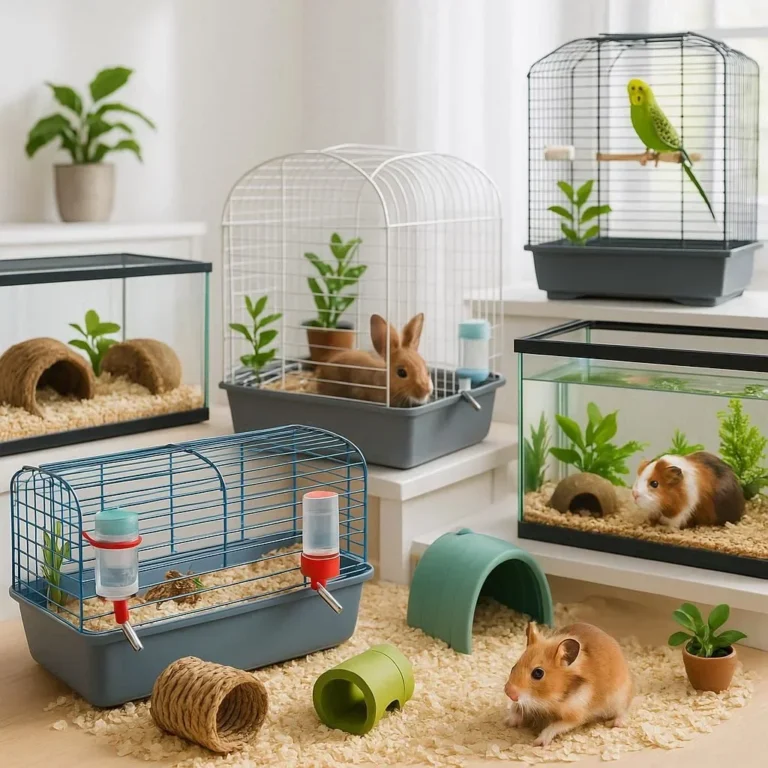
- Housing: Provide a spacious enclosure (at least 8 ft² per animal). Use a clean, dry substrate and replace bedding every 3–4 days.
- Diet: High‑quality guinea‑pig hay (Timothy or orchard grass) plus fresh hay pellets, vitamin‑C‑rich foods such as bell peppers and carrots, and a daily water source.
- Socialization: Pair or group housing, and at least 15 minutes of free‑time interaction daily.
- Health Checks: Monitor for trembling, nasal discharge, or changes in appetite, indicating common issues like respiratory infections or dental problems.
For more detailed information, visit the Guinea pig Wikipedia page or consult PetMD’s Guinea Pig Care Guide.
2. Golden Hamsters – Tiny Affectionate Companions
Golden hamsters (Mesocricetus auratus) are often perceived as introverted, but with proper handling, they can become surprisingly affectionate. Their single‑minded focus on their burrows makes them ideal for first‑time pet holders.
Why They’re Affectionate
- Slow, deliberate purring vibrations.
- Soft tail twitches indicating a relaxed state.
- Gentle nuzzling when fed or groomed.
Essential Care Guidelines
- Housing: A cage with a solid bottom (no wire) and plenty of nest material. Rotate wheels and tunnels regularly to mimic burrow conditions.
- Diet: Mix high‑protein hamster pellets with fresh greens like romaine lettuce or spinach; supplement with a small amount of cucumber or apple daily.
- Handling: Start with short sessions, gradually increasing duration as the hamster builds trust.
- Health Checks: Observe respiration, coat condition, and the stool for signs of digestive issues.
Learn more on the Golden hamster Wikipedia article and Veterinary Partner’s hamster care guide.
3. European Rabbits – Soft‑Furred Bond Makers
European rabbits (Oryctolagus cuniculus) are social mammals that develop deep attachments when socialized from an early age. Their gentle nature and tendency to “kiss” with their noses make them uniquely heartwarming companions.
Why They’re Affectionate
- The iconic nose‑kiss, a sign of trust.
- Tail touches: soft, playful nudges for affection.
- Vocal “purrs” made by soft humming.
Essential Care Guidelines
- Housing: A large, secure enclosure (minimum 10 ft² per rabbit) with a designated hay area, shelter, and a running wheel for exercise.
- Diet: Unlimited fresh hay (Timothy or orchard grass), fresh greens, and a limited amount of high‑fiber rabbit pellets. Rotate vegetables weekly.
- Handling: Support the rabbit’s hindquarters and belly, avoiding the instinctive “flight” response.
- Health Checks: Regular dental exams, monitoring for wet tail or other gastrointestinal conditions.
Detailed care instructions can be found at Rabbit Wikipedia page and the Animal Health Journal’s rabbit care section.
4. Sugar Gliders – Airborne Affectionate Buddies
Sugar gliders (Petaurus breviceps) are small marsupials known for their endearing personalities and strong bond with human owners. Though they are more popular in certain regions, they represent a unique option for those seeking affectionate aerial companions.
Why They’re Affectionate
- Intimate grooming: they lap in and around your hands during close contact.
- Tail‑cuddling: a behavior that signifies trust and comfort.
- Playful “climbing” habits that require and nurture human interaction.
Essential Care Guidelines
- Housing: A vertically oriented enclosure with sturdy perches, nests, and space for climbing. Clean bedding every 48 hours using a dust‑free substrate.
- Diet: Provide an adult diet consisting of a specialized commercial sugar‑glider food, fresh fruit, and protein sources like eggs and mealworms. Fresh water should be available at all times.
- Socialization: Hand‑handle for short periods early on, gradually increasing as the animal grows accustomed to your scent.
- Health Checks: Monitor for respiratory issues and dental wear; schedule regular vet visits with a reproductive or exotic animal specialist.
For authoritative information, consult the Sugar glider Wikipedia entry and the official Sugar Glider Care Handbook.
Selecting the Right Small Pet for You
Choosing an affectionate small pet hinges on your lifestyle and commitment. Consider:
- Time: Rabbits and sugar gliders need daily interactive sessions; hamsters and guinea pigs can tolerate slightly less.
- Space: Ensure you have the space to house the animal comfortably—adequate ventilation, temperature control, and a safe play area are critical.
- Budget: Include ongoing costs: quality food, bedding, veterinary care, and enrichment items.
- Allergies: Research the potential for allergies—some people react to certain fur or dander.
The right match will reward you with a deeply affectionate companion who enriches your day with gentle affection and playful antics.
Final Thoughts & Call to Action
Affectionate small pets bring warmth, companionship, and a reminder of nature’s gentle instincts right into our living spaces. By selecting a pet that naturally seeks human interaction—whether it’s a guinea pig, golden hamster, European rabbit, or sugar glider—and by meeting their nuanced care needs, you can build a lasting, loving bond.
Ready to welcome a new furry friend? Start with research, identify your lifestyle fit, then choose a reputable source or rescue. Adopt, don’t shop where possible—many rescue shelters are actively seeking homes for these heartwarmers.
Have you already adopted a small pet or planning to? Share your experiences and tips in the comments below or reach out on social media—let’s keep the conversation about small‑pet love thriving!