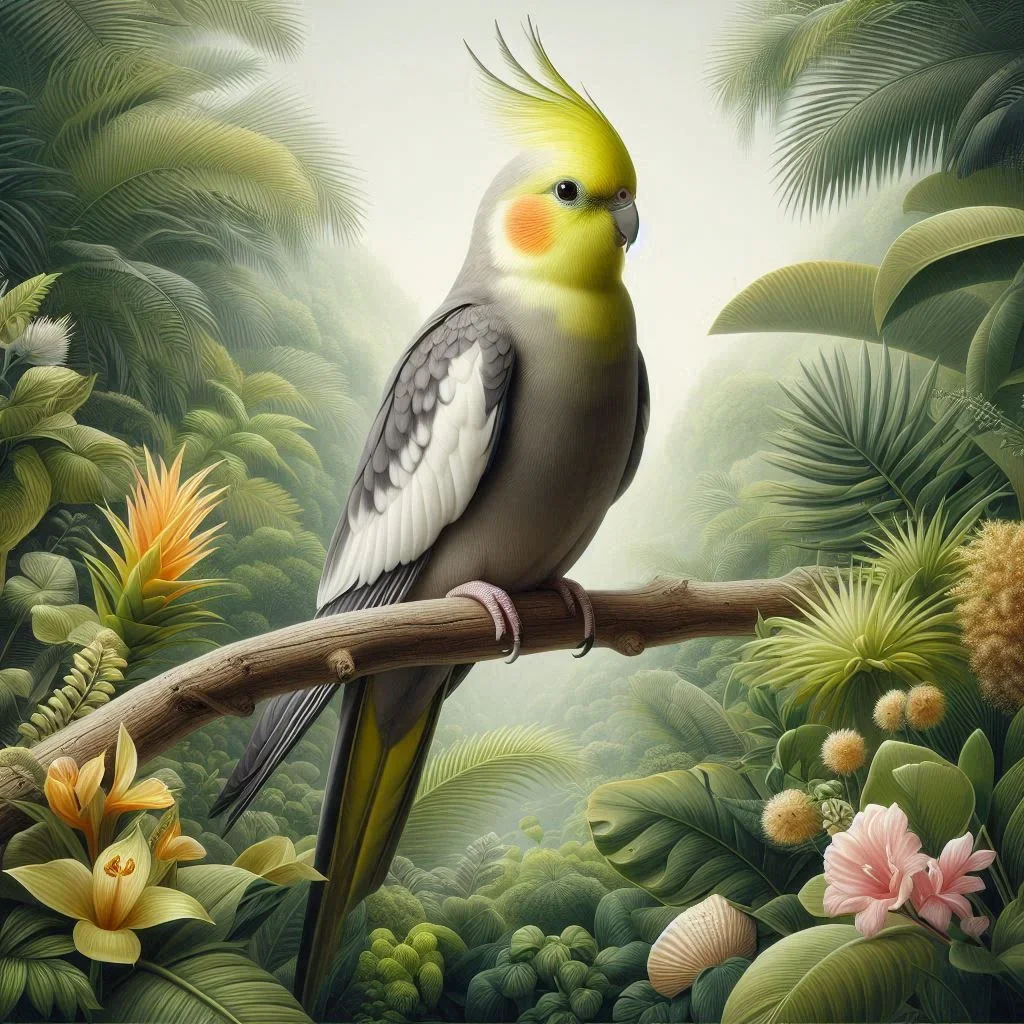
The Importance of Social Interaction for Pet Birds
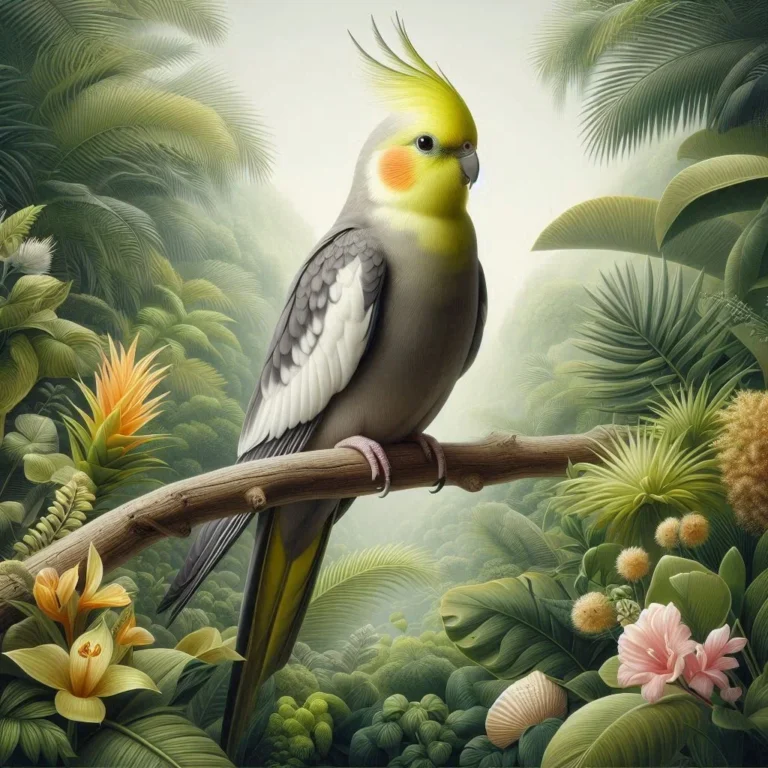
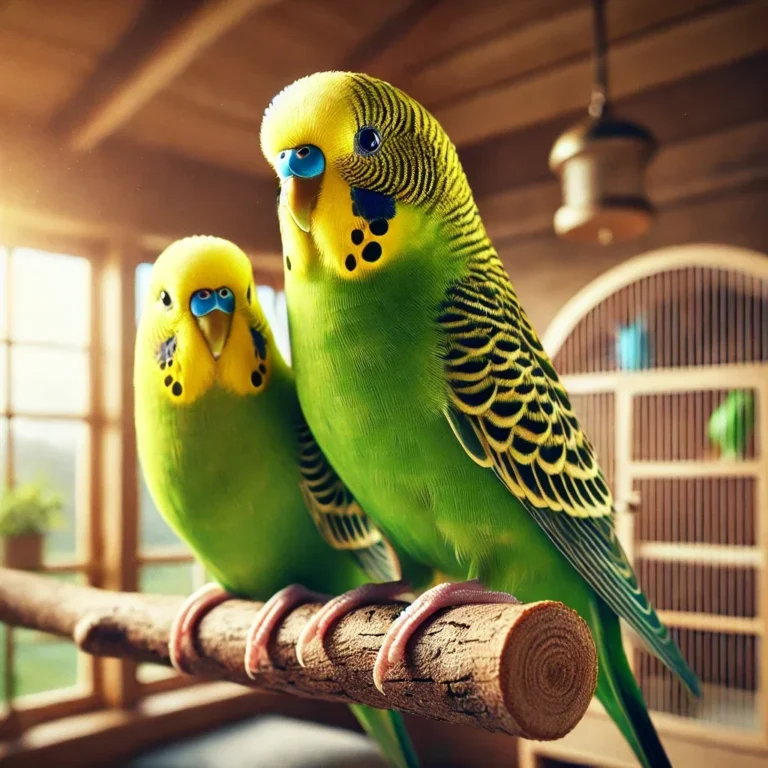
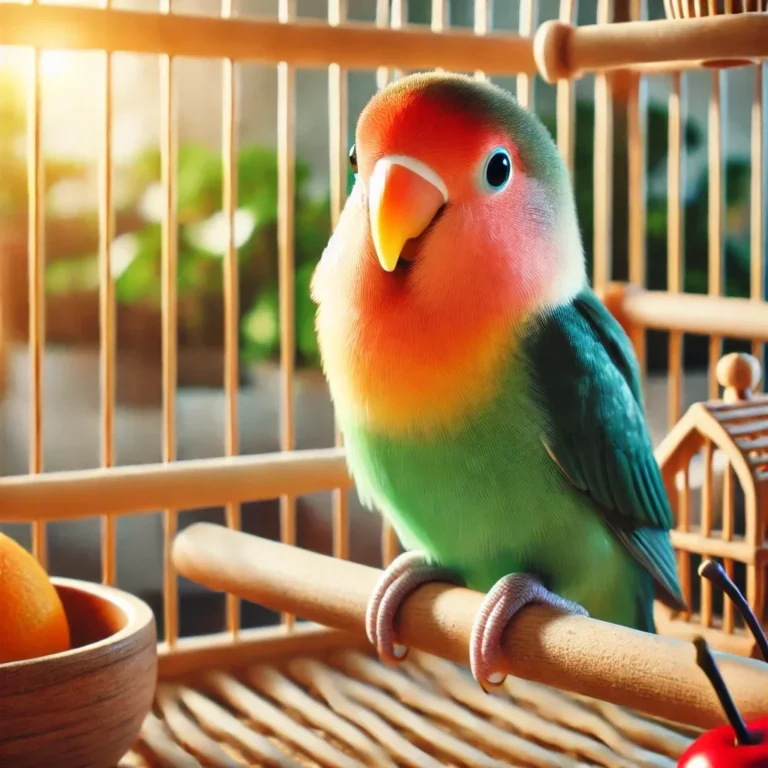
Ever watched a parakeet hop from cage to cage, chirping merrily? That lively dance is more than cute – it’s a manifestation of the bird’s deep-rooted need for companionship and mental stimulation. In the world of aviculture, the phrase social interaction for pet birds isn’t just a buzzword; it’s a cornerstone of humane, health‑promoting bird ownership. Just as humans thrive on social bonds, our feathered companions rely on complex relationships to thrive.
Why Social Interaction Is a Non‑Negotiable Need for Birds
1. Evolutionary Background
Birds evolved in flocks, preening each other, alarm‑calling, and collaborating for food. This social lifestyle shaped their brains to crave interaction. When removed from this context, domestic parrots, cockatiels, and canaries can develop loneliness, depression, and destructive behaviors.
2. Mental Stimulation and Cognitive Health
Birds possess one of the most complex nervous systems among birds. Engaging with humans or other birds stimulates problem‑solving, memory, and learning. Studies from the University of Budapest (2020) show that parrots with regular social enrichment exhibit stronger cognitive responses in maze tests compared to isolated birds.
3. Physical Health Benefits
Consistent social interaction reduces physical stress markers, such as cortisol levels. A research article published in Avian Medicine (2019) links decreased cortisol to a healthier immune system, reflected in fewer infections and shorter recovery times from illnesses.
4. Preventing Aggressive and Biting Behaviors
Lonely or bored birds often resort to aggression – biting, feather plucking, or loud cussing. Social play, gentle human touch, and companion pets mitigate these behaviors by providing outlets for their natural energy and emotional expression.
Types of Social Interaction That Benefit Your Bird
Human–Bird Interaction
- Gentle talking & singing – birds mimic human voices and enjoy being “talked to” as a bonding activity.
- Hand‑feeder play – encourages trust and offers mental stimulation through rewards.
- Daily grooming – mirrors natural preening, supporting a clean feather coat.
Bird–Bird Interaction
- Shared cages – additional birds can provide companionship; use a species‑compatible pair.
- Group play sessions – in a safe, supervised area where each bird can express pecking and fly‑by behaviors.
Environmental Interaction
- Perch diversity – varied textures keep wings strong.
- Foraging toys – simulate natural foraging quest, reducing boredom.
- Rotating toys – prevent monotony and sustain curiosity.
Practical Tips for Enhancing Social Interaction
1. Establish a Routine
Birds sense stability. Start by feeding, playing, and grooming at consistent times daily. Predictability reduces stress and fosters a sense of security.
2. Use Positive Reinforcement
Reward desirable behaviors with tasty treats (e.g., dried fruit pieces) and praise. Positive reinforcement strengthens the bond and encourages repeat interaction.
3. Build a “Bird‑Friendly” Home
Create a dedicated space with safe, stimulating objects—rope scrims, wooden blocks, and natural foliage. The Amazon rainforest study (2022) confirms that birds appreciate environments that mimic their natural habitats.
4. Introduce a Companion Slowly
When adding a second bird, start with short visual introductions. Tools like a cracked glass or plastic barrier allow them to see each other without direct contact, easing the learning curve.
5. Monitor Body Language
Look for relaxed postures—head turned, wings unfurled, bright eye colors. Signs of agitation—tight wings, rapid feather raising, or frantic chirping—indicate the need for distance or a different interaction style.
Common Misconceptions About Bird Social Needs
- “All birds are independent.” While some species like finches enjoy solitude, nearly every bird thrives on interactions—whether with humans or peers.
- “Playing every day will overstimulate the bird.” Birds have natural sleep cycles. Evening play allows them to wind down; a day of rest is equally important.
- “Social interaction resolves all behavior problems.” Interaction is essential, but a balanced diet, proper lighting, and disease prevention are equally vital.
Credible Resources for Further Reading
- Parrot – Wikipedia
- American Association of Avian Veterinarians
- Avian Junction – Bird Care Guides
- Journal of Avian Medicine – Research Articles
These outlets provide peer‑reviewed findings and best‑practice animal welfare guidelines.
Conclusion: A Call to Action for Compassionate Bird Care
Recognizing the importance of social interaction for pet birds isn’t an optional extra; it’s a fundamental responsibility. A well‑socialized bird shows brighter eyes, smoother feathers, and a cheerful demeanor—evidence of a healthy mind and body. If you have a solitary bird or a fledgling pet, start integrating interaction early. Observe, adapt, and let your feathered friend experience the joy of companionship.
Take the first step today: schedule a play session, give your bird a gentle talk, or even consider a compatible companion. Together, we can create a vibrant, enriching life for every bird that enjoys the gift of interaction.