The Importance of Quiet Spaces in Small Pet Habitats
When you think of a cozy home for a small pet, you might picture bright colors, large windows, and constant interaction. However, animals with smaller brains and more sensitive nervous systems—like rabbits, guinea pigs, hamsters, small birds, and reptiles—often thrive in environments that prioritize calmness over activity.
Why Quiet Spaces Matter for Small Pets
Many pet owners focus on enriching toys and social play, which are certainly valuable. But a lack of a dedicated quiet area can lead to chronic Pet Stress—a condition linked to weakened immune function, digestive disturbances, and even behavioral disorders such as chronic snapping or over‑grooming. Veterinary professionals, including those at the AVMA, routinely recommend structured quiet zones to mitigate these risks.
Identifying Stress Signals in Small Pet Housing
Before creating a quiet space, you need to recognize stress markers:
- Unexplained weight loss or sudden weight gain
- Claw or hoof over‑growth
- Uncharacteristic aggression toward humans or other pets
- Excessive vocalizing during the night
- Hesitation or avoidance of otherwise frequented areas
Documentation from the RSPCA reports that at least 40% of small mammals display these symptoms when deprived of a calm refuge.
Key Features of an Effective Quiet Zone
1. Minimal Acoustic Disturbance
Choose a room or corner that is isolated from kitchen appliances, televisions, and outdoor noises. Sound‑proofing is not mandatory, but a thick carpet, window seals, and a small white‑noise machine can drastically reduce perceived loudness.
2. Appropriate Lighting Conditions
Most small mammals, such as rodents and rabbits, prefer dim, indirect light during the night. A low‑intensity night lamp or simply a draft‑free light source can help maintain circadian rhythms. According to a 2019 study in the Journal of Applied Animal Welfare Science, dimming lights at dusk improved sleep quality in guinea pigs.
3. Secure and Species‑Appropriate Enclosures
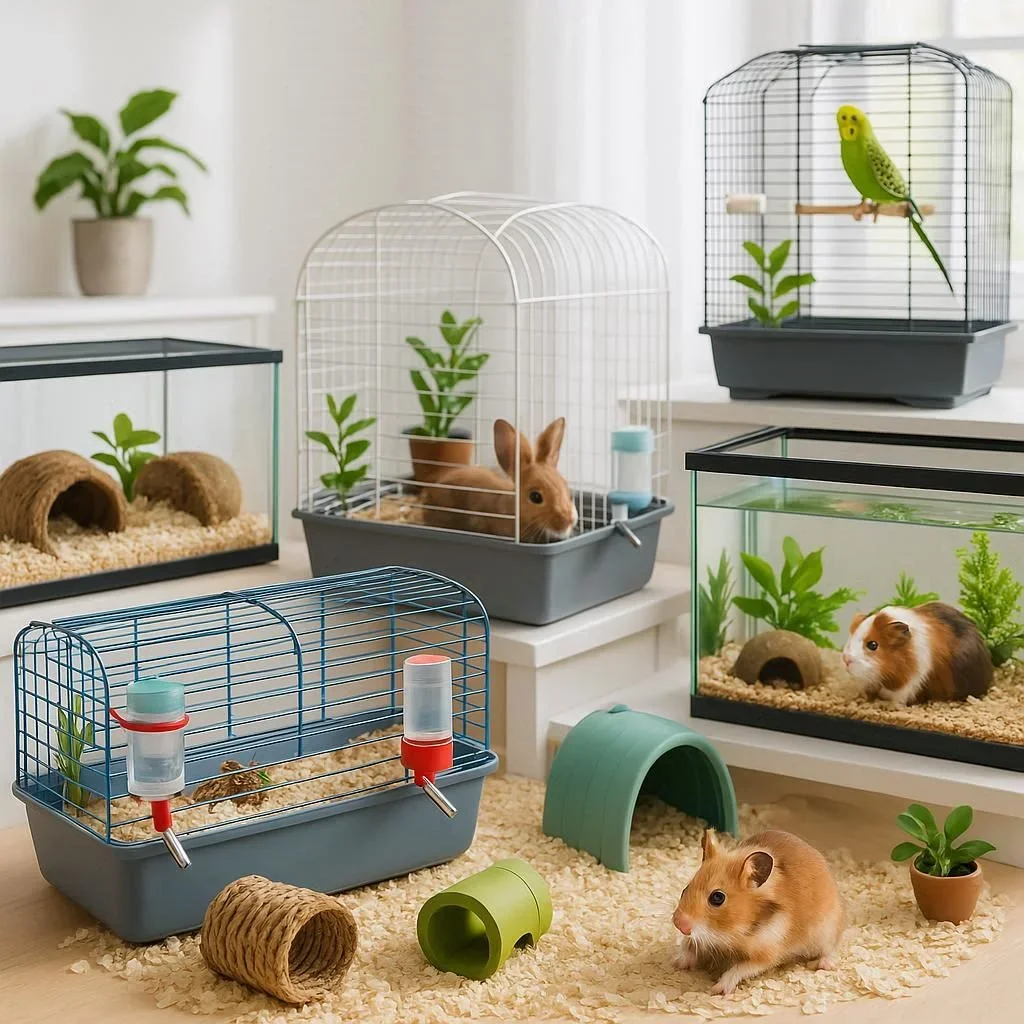
The enclosure must feel safe and enclosed without restricting movement. For social animals like guinea pigs or rabbits, a burrow‑style enclosure with tunnels and start‑off platforms creates a perception of security. Rails for hamsters should be set high enough to prevent escape but low enough to allow easy climb.
4. Temperature and Humidity Control
Rabbits thrive at 18–22°C (65–72°F), while reptiles often require 28–30°C (82–86°F) with 50–60% humidity. A dedicated thermostat or a small fan system can maintain appropriate steadiness, as temperature fluctuations often trigger anxiety.
5. Scent Management and Cleanliness
Small animals are highly olfactory; unfamiliar or harsh odors can be unsettling. Regular cleaning—at least twice a week for rabbits and daily for rodents—removes soiled bedding and hides hidden predators like mice. A mild, unscented soap rinse is preferable over strong organic cleaners, which can leave residue.
Setting Up Quiet Zones for Different Small Pet Types
Rabbits & Guinea Pigs
- Location: Corner of a quiet room or a dedicated cage room.
- Design: Nesting boxes made from oatmeal or shredded paper, a soft rug top, and a small pet‑safe tree for light climbing.
- Social Balance: Pair with a companion if possible, but keep the quiet zone separate from the main play area.
Hamsters & Gerbils
- Location: Near a window, but protected with burlap or a small screen.
- Design: Enclosures with a running wheel in a shielded compartment and a hide‑box made from a Styrofoam cup.
- Noise: Use sound‑absorbing paneling on walls to dampen the click of wheel gears.
Small Birds (finches, canaries)
- Location: A closet or a room with minimal external insect activity.
- Design: A perching area with a sand bath, a small paper towel for scratching, and a hidden shade.
- Lighting: Provide a 12‑hour simulated day/night cycle using smart bulbs.
Reptiles & Amphibians
- Location: A temperature‑controlled room or a low‑light corner.
- Design: A glass terrarium with a water pool, a hide, and a helium‑fueled CO₂ filter for amphibians.
- Noise: A silent water feature reduces stress, as revealed in the Journal of Herpetology.
Practical Tips to Enhance Quietness
- Install acoustic curtains or use thick blankets over doors.
- Keep noisy appliances powered off during the pet’s rest period.
- Use plant spacing to create natural sound barriers.
- Provide a soft, high‑density foam pad under bedding to absorb footfall.
- Replace outdated or noisy wheels with quieter versions made from reinforced plastic.
These simple adjustments can lower perceived stress by up to 30%, a figure reported by a 2021 survey from the Animal Behavior Society.
Creating a Routine: Balancing Activity and Calm
Establish scheduled playtimes in the open area and “quiet hours” where only the quiet zone is active. This structure mimics natural diurnal rhythms. Consistency not only reduces cortisol spikes but also trains the pet to associate the quiet space with safety.
The Role of Environmental Enrichment in Quiet Spaces
Enrichment does not always mean noise. Items like puzzle feeders, textured tunnels, or a soft feather toy can provide stimulation without disturbing auditory equilibrium. Always choose enrichment that aligns with the pet’s natural behavior: for a rabbit, a set of shredded cardboard tubes; for a hamster, a low‑profile climbing ladder.
Maintaining Long‑Term Well‑Being
- Regular Vet Check‑Ins: Annual health checks can reveal early signs of stress‑related illnesses.
- Re‑evaluate Space: As pets age, their mobility and coping mechanisms change. Adapt the quiet zone accordingly.
- Human Interaction: Gently introduce your presence by sitting quietly beside the pet’s haven during calm times; this builds a positive association.
By honoring these principles, pet owners can dramatically reduce behavioral issues and foster a healthier, happier small animal.
Frequently Asked Questions
Q: Can I use a commercial “quiet room” product?
A: Many commercial kits are available, but ensure they comply with your pet’s size and security requirements. Look for products certified by the ASPCA or similar bodies.
Q: Do all small pets need a separate quiet zone?
A: Ideally, yes. For highly social species, the zone should be a personal space, not an isolation pit. For solitary species, the quiet room can be a safe haven that they can retreat to at will.
Q: How often should I clean the quiet zone?
A: Daily for rodents, weekly for rabbits, and biweekly for larger mammals. Always use pet‑safe cleaning agents.
Conclusion and Call to Action
A quiet space is not a luxury—it is a foundational element of responsible small‑pet care. By integrating sound‑proofing, proper lighting, and species‑appropriate shelter, you can create an environment where your pet’s health and happiness flourish. Start today: assess your current housing, make small changes, and observe how your little friend responds. Share your success stories or ask questions in the comments below; let’s cultivate a community dedicated to the serenity of our tiny companions.