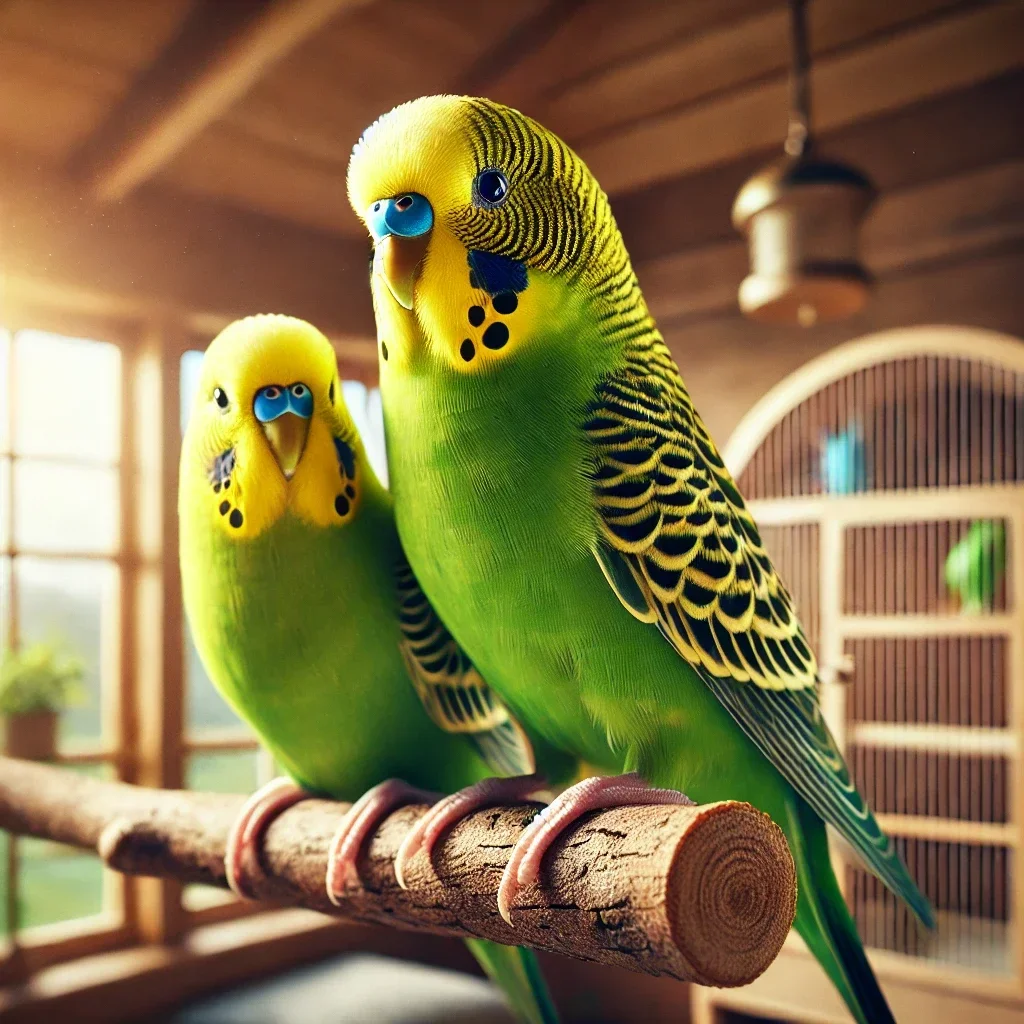
The Dos and Don’ts of Bird Handling and Training
Welcome to the ultimate guide on bird handling and training! For anyone who loves pets, especially feathered companions, understanding how to gently and safely hold and train your bird is essential. Proper handling not only protects your bird from injury but also builds trust, encourages desirable behavior, and provides the foundation for effective training. In this comprehensive post we’ll share proven dos and don’ts, backed by scientific research and expert recommendations from veterinary and ornithological organizations. By the end, you’ll feel confident creating a calm, safe, and rewarding handling routine that will strengthen the bond between you and your beloved bird.
Dos and Don’ts of Bird Handling and Training
The Dos: Best Practices for Positive Bird Handling
Create a Trusting Environment
- Give Your Bird Space – Position yourself at a comfortable distance before approaching. Many birds feel a threat when a human swoops in from close range.
- Use Positive Gaze – Use a steady eye contact pattern that signals calmness. Avoid staring directly as it can be perceived as aggression.
- Offer a Treat – Starting with a tiny, non‑salty reward such as a seed or piece of fruit can establish a positive association between you and the handling process.
Use Positive Reinforcement
Birds learn best when training rewards are immediate, consistent, and tied to the exact behavior you want to encourage. Commonly used tools include:
- The “click” and a treat (clicker training)
- A soft verbal cue (“good bird!”)
- A gentle touch, such as brushing or a short companion kiss
The key is to keep the reinforcement brief, so the bird ties the reward to the precise action.
Keep Handling Sessions Short and Rewarding
Birds have short attention spans. Aim for 5‑10 minute sessions. A brief but positive interaction is more effective than a long, overly demanding approach:
- Start when the bird is relaxed (e.g., after feeding)
- Limit the duration to 5‑10 minutes per session
- End with a treat or a favorite activity
Consistency Is Key
A predictable routine allows the bird to know what to expect. Stick to a consistent time of day, handle in the same spot, and use familiar cues. Consistency builds familiarity and reduces stress.
The Don’ts: Common Mistakes to Avoid
Avoid Forceful Grip
Forceful grabbing or squeezing can cause pain, injury, or a permanent fear response. Blend the following steps:
- Hold gently around the body, not the wings.
- Keep your fingers close to the bird’s breast to avoid pinching the ribs.
- Always test the grip before lifting.
Skip Sudden Movements and Loud Noises
Birds are prey animals. A sudden swipe of the arm or a loud crash will startle them. Instead:
- Move slowly and deliberately.
- Keep noise levels low—no stadium clapping or abrupt music.
Don’t Use Physical Punishment or Yelling
Negative reinforcement is rarely effective and can erode trust:
- Avoid slapping, whacking, or scolding.
- Yelling elevates cortisol levels—leading to anxious or aggressive behaviors.
Never Underestimate a Bird’s Unique Personality
Birds vary in temperament. A calm African Grey may respond well to gentle handling, but a still‑aurous Canary may have a higher perceived threat. Don’t generalize one approach for all species.
Step‑by‑Step Handling Guide
1. Approach Calmly and Slowly
- Begin with a soft voice.
- Position yourself in front of the bird and keep your hand half‑closed.
- Extend your hand slowly, placing fingertips lightly on the wing while allowing the bird to step onto them.
2. Let the Bird Decide
- Give the bird (and you) time. Use a gentle “you can come when you’re ready.” Birds are in control of their physical boundaries. Elevating them without consent can trigger a flight response.
3. Secure the Wing Properly
- Place a hand under the bird’s body (around the keel) and the other hand under the wings, squeezing from the base out to the tip. Always avoid gripping the tail.
4. Validate with Positive Feedback
- Speak in a calm tone, say “good bird,” and drop a seed. The bird should associate your presence with a pleasant reward.
5. Remove With Ease
- Ease the bird back down to the perch or ground. Avoid jerks or tilting. If the bird falls or doesn’t trust you, back off and retry later.
Training Techniques for Birds
Bird training can harness natural curiosity and strengthen human–bird bonds. Below are three evidence‑based objectives many experts recommend.
Clicker Training
- What – A small device that emits a clicking noise when triggered by your hand.
- Why – The click accurately marks the desired behavior at the exact moment it occurs, making the reward precise.
- How –
- Train by clicking and giving a treat for small actions such as stepping onto a hand.
- Gradually increase task difficulty to target more advanced cues.
Target Training
Allows the bird to touch a small, familiar object (e.g., a pink target stick or a plastic cube). Worked by letting the bird learn to touch the target to receive the reward. Over time, you can use target training for tasks like moving toys or cleaning up.
Reinsertion Training
Teaches the bird to return to its cage on command—a crucial safety habit. Use a lure (seed or small toy) placed in the cage each time to encourage re‑entry.
Safety Tips for the Handling Environment
Safe handling goes beyond gentle paws. Ensure your environment promotes comfort and reduces risk.
Create a Safe Handling Area
- Choose a room or section of the home with minimal flying objects and no open windows.
- A wide, flat surface such as a table or all‑steel rack can serve as an interim perch.
Use Proper Equipment and Tools
- Humane Restraint Avian Sleeve – Popular with veterinarians; reduces risk of injury for both bird and handler. (Check your local pet store or online)
- Soft‑lined Feathered Pillow – A cushion for the bird’s body while being held for grooming or medical assessment.
Conduct Routine Health Checks
- Inspect the bird’s feathers, beak, and skin before each handling session: look for scratches, dryness, or abnormal growths.
- A quick eye scan helps detect any immediate illness that may require veterinary attention.
Expert Resources and Further Reading
- Bird Wikipedia page – General overview of avian biology.
- AVMA – Pet Resources – Veterinary guidelines on pet care.
- RSPCA – Advice On Birds – Safety tips for birds and handling.
- American Birding Association – In‑depth species information and behavior studies.
Conclusion
Mastering the dos and don’ts of bird handling and training is more than a set of rules—it’s an investment in your bird’s health, confidence, and your shared relationship. By cultivating trust, reinforcing positive behaviors, and respecting your bird’s individuality, you’ll create a safe and harmonious environment in which both of you thrive.