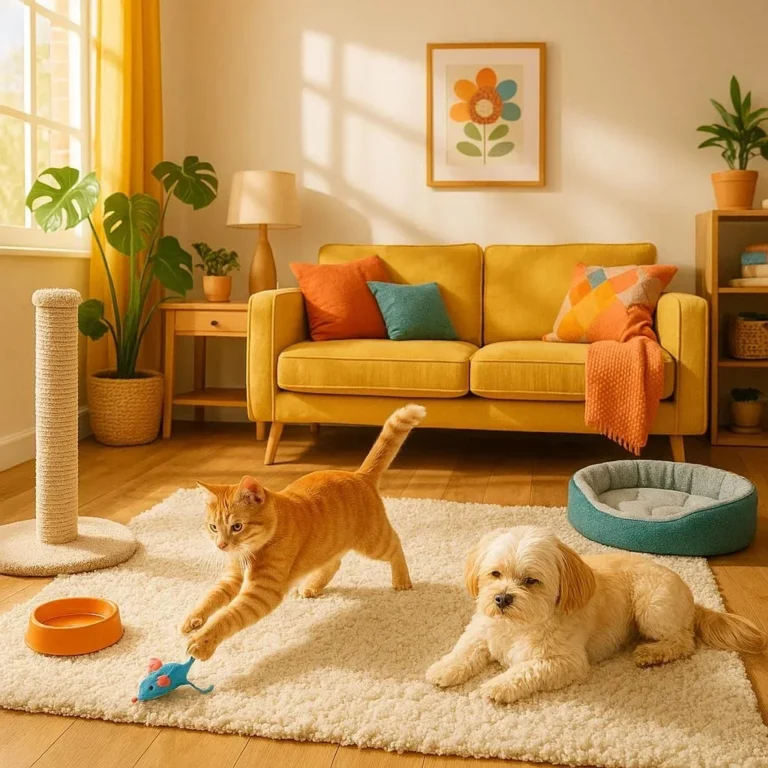
The Best Indoor Plants That Are Safe and Fun for Pets
Indoor Plants That Are Safe and Fun for Pets as Companions
If you’re a pet owner who loves plants, you might be concerned about whether your indoor plants are safe for your furry friends. Many houseplants are toxic to pets, but there are plenty of options that are not only non-toxic but can also add fun and vibrancy to your home. In this blog, we’ll explore the best indoor plants that are safe for pets and how you can enjoy them together.
Benefits of Having Indoor Plants with Pets
Indoor plants can bring life and beauty to your home, but they also offer several benefits for both you and your pets:
- Improved Air Quality: Plants help purify the air, creating a healthier environment for both humans and pets.
- Stress Reduction: Studies show that being around plants can reduce stress and anxiety in both pets and their owners.
- Natural Playthings: Some plants, like catnip or wheat grass, can serve as natural toys or snacks for your pets.
- Aesthetic Appeal: Indoor plants can enhance the look of your home, making it more welcoming and cozy for everyone.
Popular Indoor Plants That Are Safe for Pets
Before introducing any plant to your home, it’s important to ensure it’s non-toxic to your pets. The American Society for the Prevention of Cruelty to Animals (ASPCA) provides a helpful list of toxic and non-toxic plants. Below are some of the best options that are safe and fun for your pets:
1. Spider Plant (Chlorophytum comosum)
Spider plants are easy to care for and are great air purifiers. They’re safe for both cats and dogs and can be grown in hanging baskets or pots. Plus, they’re easy to propagate, making them a fun project for plant enthusiasts.
2. Catnip (Nepeta cataria)
Catnip is a favorite among felines. It’s safe for cats and can be grown indoors. Many cats love to roll around in it, rub against it, and even eat small amounts. It’s a natural way to keep your cat entertained and happy.
3. Wheat Grass (Triticum aestivum)
Wheat grass is a fun and healthy snack for pets. It’s easy to grow indoors and can be harvested in as little as a week. Many pets enjoy nibbling on it, and it’s packed with nutrients.
4. Parlor Palm (Chamaedorea elegans)
Parlor palms are elegant and versatile plants that are safe for both cats and dogs. They prefer bright, indirect light and are relatively low-maintenance, making them a great choice for busy pet owners.
5. Peperomia (Peperomia obtusifolia)
Peperomia is a small, adorable plant that comes in various patterns and colors. It’s safe for pets and prefers high humidity and low light, making it perfect for bathrooms or offices.
6. ZZ Plant (Zamioculcas zamiifolia)
The ZZ plant is known for its low-maintenance requirements and is safe for pets. It can survive in low-light conditions and infrequent watering, making it ideal for those new to plant parenthood.
7. Prayer Plant (Maranta leuconeura)
Prayer plants are colorful and fun to watch. They’re safe for pets and prefer bright, indirect light. They’re also great air purifiers, adding to the health benefits of having plants in your home.
8. Boston Fern (Nephrolepis exaltata)
Boston ferns are lush green plants that are safe for cats and dogs. They thrive in humid environments and can be hung from baskets or placed on shelves. They’re a great way to add some greenery to your space.
How to Choose the Right Plants for Your Home
When selecting indoor plants, it’s important to consider not only their safety for your pets but also their care requirements and how they’ll fit into your lifestyle. Here are some tips to help you choose the right plants:
- Research Care Requirements: Different plants have different needs. Choose plants that fit your schedule and the amount of time you can dedicate to their care.
- Consider Lighting: Most plants require specific lighting conditions. Make sure you have the right light exposure in your home for the plants you choose.
- Think About Allergy Concerns: While the plants themselves may be safe for pets, some people or pets may have allergies. Research any potential allergens before bringing a plant into your home.
- Position Plants Strategically: Keep plants out of reach of curious pets to avoid accidental ingestion or damage. Hanging plants or placing them on high shelves can help keep them safe.
Keeping Your Pets Safe Around Indoor Plants
Even with non-toxic plants, it’s important to take precautions to keep your pets safe. Here are some tips to ensure a harmonious coexistence between your plants and pets:
- Monitor Your Pets: Keep an eye on your pets when they’re around plants. While the plants may be safe, eating large amounts can still cause stomach upset.
- Provide Alternative Snacks: If your pet tends to nibble on plants, provide them with pet-safe alternatives like cat grass or dog-friendly snacks.
- Trim or Prune Regularly: Keep your plants well-trimmed to avoid any dangling leaves or stems that might tempt your pets.
- Keep Toxic Plants Away: If you have plants that are toxic to pets, consider relocating them to areas your pets can’t access, such as a high shelf or a separate room.
Fun Ways to Incorporate Plants into Your Pet’s Life
Plants can be more than just decorations; they can also be a fun and engaging part of your pet’s life. Here are some ideas to incorporate plants into your pet’s routine:
- Create a Pet-Friendly Garden: Set up a small indoor garden with plants that are safe and fun for your pet to explore. You can include plants like catnip or wheat grass for your pet to enjoy.
- Use Plants as Toys: Some plants, like the spider plant, have dangling leaves or stems that can serve as natural toys for your pet. Just be sure to trim any parts that might be too tempting.
- Incorporate Plants into Playtime: Hide treats or toys among your plants to create a fun scavenger hunt for your pet. This can keep them entertained and engaged while also providing mental stimulation.
Conclusion: Enjoying Plants and Pets Together
Indoor plants can be a wonderful addition to any home, especially for pet owners. By choosing plants that are safe and fun for your pets, you can create a harmonious and beautiful environment that both you and your furry friends can enjoy. Remember to always do your research and take necessary precautions to keep your pets safe around plants. With a little planning and care, you can have a home filled with both the beauty of plants and the joy of your pets.
Call to Action
If you’re ready to bring some greenery into your home while keeping your pets safe, start by selecting one of the plants mentioned above. Share your experiences with indoor plants and pets in the comments below, and don’t forget to share this guide with other pet-loving plant enthusiasts!
Frequently Asked Questions
1. What indoor plants are toxic to pets?
Many common houseplants are toxic to pets, including lilies, snake plants, and peace lilies. Always check the ASPCA’s list of toxic and non-toxic plants before bringing a new plant into your home.
2. Can cats eat any type of plant?
No, cats should not eat most plants. While some plants like catnip and wheat grass are safe, others can be toxic. Always verify the safety of any plant before allowing your cat to eat it.
3. How can I keep my pets from chewing on indoor plants?
You can keep pets away from indoor plants by placing them out of reach, using deterrent sprays, or providing pet-safe alternatives like chew toys or edible plants specifically for pets.
4. Are all non-toxic plants safe for pets to eat?
No, even non-toxic plants can cause stomach upset if eaten in large quantities. Monitor your pets around plants and provide them with safe alternatives if they tend to nibble.
5. How do I know if a plant is safe for my pet?
You can check the ASPCA’s list of toxic and non-toxic plants to determine if a plant is safe for your pet. Always double-check before bringing a new plant into your home.
By following these tips and choosing the right plants, you can create a safe and enjoyable environment for both you and your pets to enjoy.