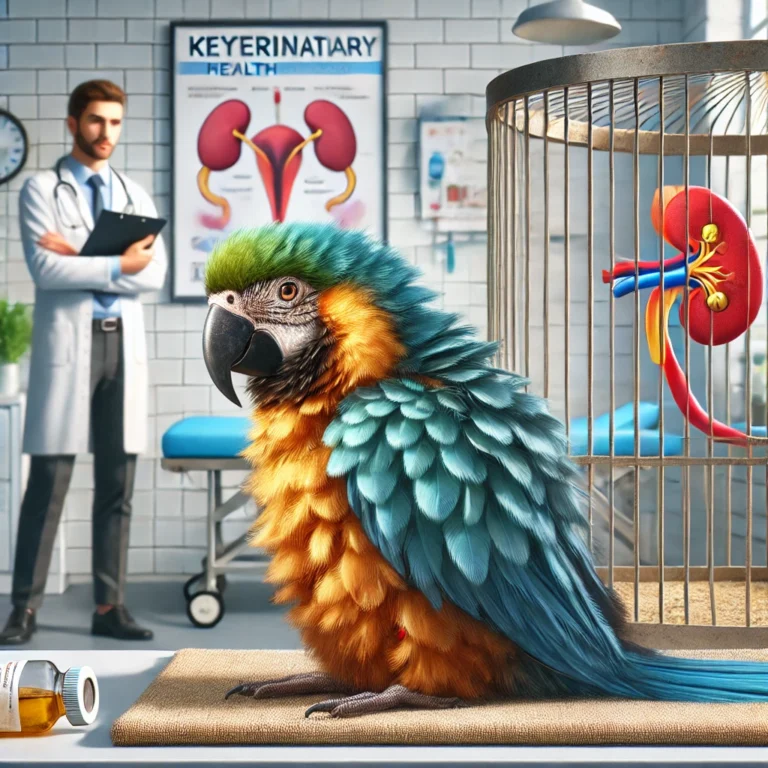
The Benefits of Regular Vet Visits for Small Pets
Small pets often earn the nickname “tiny, cute, and carefree,” but they can hide a range of health challenges that only a trained eye can spot early. From the tiny hamster’s delicate dental system to a rabbit’s sensitive digestive tract, preventive veterinary care is essential for keeping them healthy, happy, and long‑lived.
Regular vet visits are more than a routine; they are a proactive strategy that gives pet owners the peace of mind they deserve while delivering tangible benefits for their little companions.
Why Regular Vet Visits Matter for Small Pets
Early Detection of Health Issues
One of the most compelling reasons to bring your small pet to the clinic on a schedule is the early recognition of ailments. Early-stage problems—such as ectoparasite infestations, dental disease, or metabolic disorders—can often be mitigated or even prevented when caught early. Routine exams allow veterinarians to:
- Identify subtle weight changes or behavioral shifts that signal stress or illness.
- Conduct physical examinations that include dental checks, ear and eye evaluations, and skin inspections.
- Perform basic diagnostics (blood work, fecal analysis, or x‑rays) when warranted.
Common health challenges in small pets include:
- Ectoparasites (mites, fleas, and ticks) that can cause skin irritation, anemia, or transmit diseases.
- Dental disease, especially in guinea pigs, where missing or malformed incisors can lead to malnutrition.
- Respiratory infections in birds, often exacerbated by poor cage ventilation.
- Gastrointestinal stasis in rabbits, a life‑threatening condition if untreated.
American Veterinary Medical Association (AVMA) highlights that early intervention often results in far lower treatment costs and higher recovery rates.
Preventive Vaccinations & Parasite Control
Preventive care is the cornerstone of small pet health. While many think of vaccinations primarily for dogs and cats, small pets also benefit from tailored immunization schedules. For example:
- Guinea pigs should receive the Bordetella vaccine and have regular worming (deworming) to manage parasites.
- Rabbits may receive myxomatosis and rabbit viral encephalitis vaccines, and both species require routine detection of heartworm when exposed.
- Birds benefit from annual checks for avian influenza and psittacosis exposures.
Parasite control extends beyond ectoparasites. For flying species, a thorough assessment of respiratory health and feather condition can prevent chronic infections. Additionally, weekly or bi‑weekly parasite checks can curb the spread of diseases within a multi‑pet household.
Peace of Mind for Pet Owners
Beyond physical benefits, regular vet appointments provide a valuable sense of reassurance. Knowing that your pet’s routine health status is monitored means less anxiety about sudden illnesses. It also fosters a stronger bond between owner and veterinarian, offering the opportunity to ask pressing questions and receive expert guidance on:
- Nutritional needs and feeding schedules.
- Appropriate enrichment to prevent behavioral issues.
- Housing and environmental requirements that reduce stress.
This collaborative communication often spills over into community outreach as owners share tips with other pet hobbyists, creating support groups that champion small pet wellness.
Cost Savings Over Time
Many owners hesitate to schedule frequent vet visits because of the upfront cost. However, long‑term analysis shows that preventive care can actually reduce overall expenses. Here are two key ways:
Lower Emergency Costs
Small pets are prone to sudden health problems—like sudden vomiting or breathing difficulty—that require emergency care. According to a 2021 study by the Journal of Applied Animal Welfare Science, owners who performed routine check‑ups were 40% less likely to require emergency services, saving average emergency bills of $2,300 per incident.
Preventing Chronic Conditions
Chronic illnesses such as glucose intolerance in rabbits or chronic ear infections in guinea pigs can develop silently. The early detection facilitated by regular check‑ups often limits the need for expensive, lifelong pharmaceuticals or extended hospital stays. For instance, a 2019 survey by the Small Animal Veterinary Association found that regularly vaccinated and dewormed guinea pigs faced a 70% lower prevalence of chronic conditions compared to underserved pets.
Maintaining Peak Performance & Quality of Life
Every small pet thrives best when its physical systems function optimally. Regular veterinary care promotes:
- Ideal weight management through diet counseling.
- Dental health, ensuring proper chewing and adequate nutrient absorption.
- Social behavior, by preventing the stress‑related aggression that can arise from untreated pain or disease.
- Longevity, with many small pets living 5–7 years (or more) when under vigilant care.
Highlights of the Health Benefits
| Aspect | Benefit | Evidence |
|—|—|—|
| Weight | Stable body condition, prevents obesity | AVMA guidelines |
| Dental | Reduced tooth loss and systemic disease | PubMed 2020 dental study |
| Respiratory | Lower incidence of COPD in rabbits | Cornell University Veterinary College |
| Parasites | Decreased transmission of zoonotic diseases | WHO’s zoonotic disease reports |
Special Considerations for Popular Small Pets
Hamsters
- Dental care: Check for malocclusions and overgrowth of incisors.
- Weight monitoring: Hamsters are prone to obesity; vets recommend a diet low in sugar.
- Worming: Regular deworming protects against roundworms that can cause lethargy.
Guinea Pigs
- Vitamin C: They cannot synthesize it; a veterinary‑approved supplement ensures immune support.
- Ectoparasite screening: Fleas and mites are common; early treatment prevents anemia.
- Dental examinations: Missing incisors can impede feeding.
Rabbits
- Digestive health: Routine fecal exams detect coccidia or Giardia.
- Dental checks: Tooth growth imbalance leads to malnutrition.
- Heartworm prevention: Despite lower risk, regional exposure necessitates routine checks.
Birds
- Feather condition: Poor feathering can signal nutritional deficiencies or parasite infestations.
- Respiratory monitoring: Birds can develop mild infections quickly; early signs include wheezing or sneezing.
- Vaccinations: Avian influenza, psittacosis, and Newcastle disease vaccines are essential for indoor and flocked birds.
For deeper dives into each species’ specific needs, the PetMD database offers comprehensive species‑specific care guides.
Choosing the Right Veterinarian
- Board Certification: Look for a veterinarian who is board‑certified in small‑animal practice.
- Specialization: Some clinics specialize in exotic and small‑animal care (e.g., AVMA lists specialized facilities).
- Experience with Your Pet Type: A vet who routinely treats guinea pigs will be more adept at spotting subtle signs than one who only treats dogs.
- Communication: A practice that takes time to explain exam findings and care plans fosters owner confidence.
- Convenience: A location that is easy to reach can encourage timely appointments.
Reviewing online testimonials or visiting the clinic’s webpage can help gauge the patient focus of the veterinary staff.
Setting a Vet Visit Schedule
- Yearly check‑ups are standard for healthy pets without chronic conditions.
- Quarterly visits for younger or high‑risk birds where early detection of respiratory issues is critical.
- Annual dental exams for guinea pigs, rabbits, and birds that have a predisposition to dental disease.
- Vaccination boosters as per species‑specific guidelines (see WHO reports on zoonotic disease prevention).
Adjust schedules based on your pet’s age, health history, and veterinarian recommendations. For example, a newly adopted hamster should undergo a thorough physical exam and baseline blood work prior to settling into their new home.
What to Expect During a Visit
- Owner Consultation: Discuss any behavioral changes, appetite variations, or recent incidents.
- Health History Review: Verify vaccination records, parasite control history, and previous lab results.
- Physical Examination: Includes a detailed exam of the mouth, ears, eyes, paws, abdomen, and overall body condition.
- Diagnostics:
- Blood work for metabolic panels.
- Fecal flotation for parasite detection.
- X‑rays for bone or organ assessment.
- Treatment & Advice: Receive prescriptions if necessary and practical feeding or enrichment tips.
- Follow‑up Plan: Set a date for the next appointment or identify signs that warrant an emergency visit.
Transparency during each of these steps ensures that owners can identify the need for preventive interventions promptly.
Conclusion & Call to Action
Regular veterinary visits are the keystone of healthy, thriving small pets. By incorporating routine check‑ups into your pet’s schedule, you equip yourself with early detection, preventive care, and long‑term cost savings—all while fostering an enriched life for your friend.
If you’re ready to prioritize your small pet’s well‑being, start by scheduling your next preventive appointment today. Share this article with fellow pet lovers and encourage them to take the first step toward a healthier, happier pet community.
Learn more about small pet care standards and explore species‑specific guidebooks to empower your pet‑parent journey. Happy pet‑parenting!