Teaching Bird New Tricks
Teaching your bird new tricks can be a rewarding experience that deepens the bond between you and your feathered friend. By focusing on positive reinforcement, you create a nurturing environment that encourages learning and confidence. The key components are consistency, clear cues, and timely rewards. In this guide, we’ll cover how to select the right behaviors, use effective training techniques, and address common challenges with science‑backed solutions.
Understanding Positive Reinforcement
Positive reinforcement is a proven behavioral strategy that increases the likelihood of a desired action by presenting a reinforcing stimulus immediately after the action is performed. This technique aligns with the fundamentals of behavioral conditioning and has been extensively documented in animal training literature. Birds respond particularly well to food treats, verbal praise, and gentle petting. The consistency of reinforcement helps the bird form a clear association between the cue and the reward.
Research from the Journal of Applied Animal Welfare Science shows that birds trained with positive reinforcement exhibit lower levels of stress compared to punitive methods. By reinforcing the correct behavior, you signal to the bird that it is on the right track and that you are on its side. This trust factor enhances the speed of learning and promotes more complex skill acquisition.
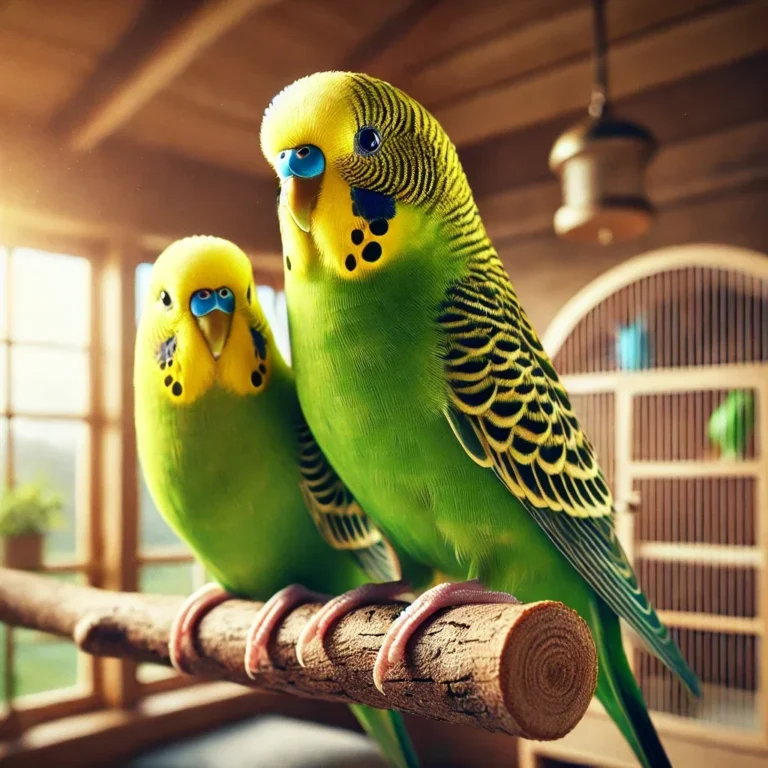
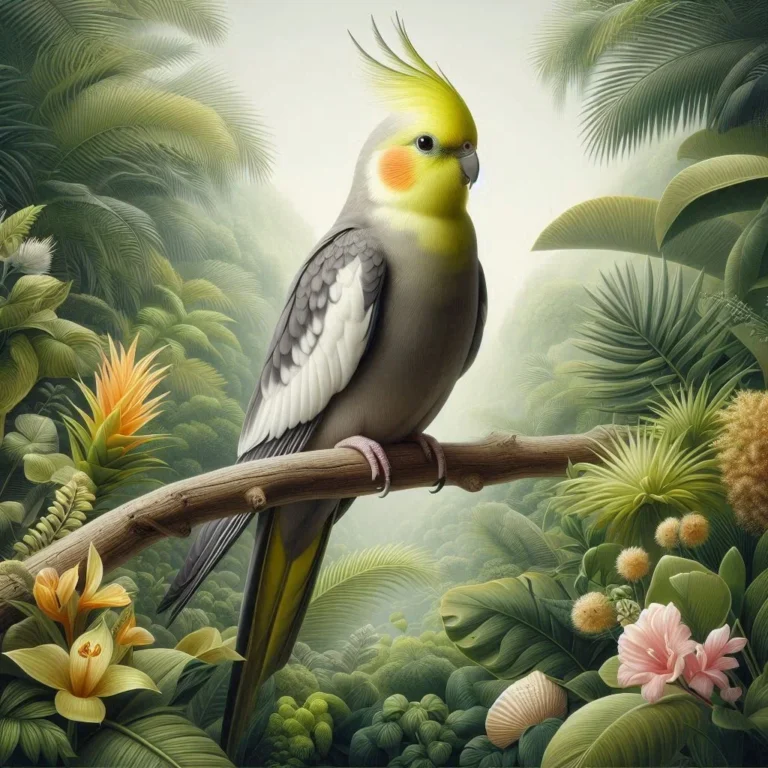
Diverse species—including canaries, parakeets, cockatiels, and African greys—display similar positive reinforcement responses. The same approach can be adapted to each species’ preferences and sensitivities. For more detailed background on conditioning techniques, consult the Behavioral Conditioning page on Wikipedia.
Choosing the Right Cues and Rewards
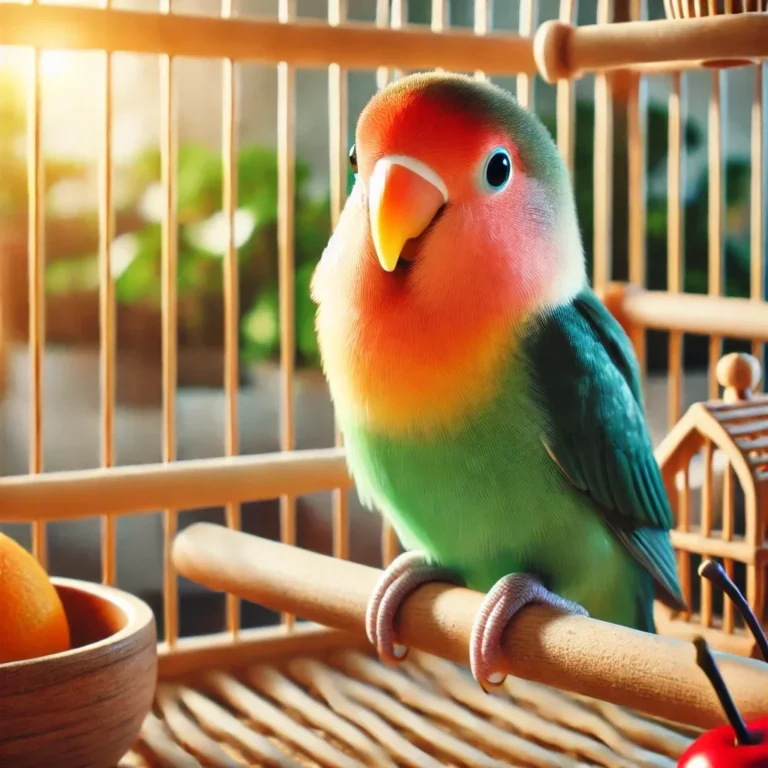
Effective training depends on a simple and clear cue system. Short verbal words or gestures work best because they are easy for both you and the bird to distinguish. Consistency is critical: using the same cue, tone, and gesture for a single behavior ensures the bird does not become confused. When selecting treats, choose high‑value foods that delight your bird—fresh fruit slices, millet, or commercial bird treat squares—while ensuring they remain part of a balanced diet.
Below is a quick reference for common cues, associated behaviors, and ideal rewards:
- “Sit” – Bird perches on a small support or gently lifts its foot. Reward: a small treat.
- “Come” – Bird flies or walks to your outstretched hand. Reward: a favorite food.
- “Spin” – Bird rotates 360 degrees on perch. Reward: enthusiastic praise and a treat.
- “Speak” – Bird vocalizes on cue. Reward: a sweet treat or favorite snack.
- “Wave” – Bird flaps wing in a wave pattern. Reward: a small treat and clapping.
Step‑by‑Step Training Process
The training cycle relies on brief, consistent sessions that emphasize positive reinforcement. Here is a structured approach you can use each day:
- Prepare a quiet environment where distractions are minimal. Ensure your bird is in a calm state before starting.
- Present the cue while keeping your tone upbeat. Hold a small treat near the bird to provide instant feedback.
- Wait for the correct response. If the bird hesitates, repeat the cue politely. Do not force the bird to perform the behavior.
- Deliver immediate reinforcement with a treat and a verbal “good job” or gentle pet.
- Repeat the sequence 5‑10 times per session. Pause when the bird appears bored or frustrated.
- Gradually increase difficulty by extending distance, adding a distracting background sound, or using a more abstract cue.
- Schedule short, daily sessions of 5‑10 minutes to keep the bird’s attention focused and training momentum strong.
Consistency across train‑ers, times of day, and environment solidifies the learning curve. If your bird frequently forgets a cue, consider incorporating a brief visual reminder—such as a hand gesture or a small flashcard—until the association becomes internalized.
Common Challenges and Solutions
Even the most well‑trained birds can face obstacles that hinder progress. Recognizing these issues and addressing them proactively ensures your training remains effective and enjoyable.
1. Lack of Engagement – The bird may appear uninterested or passive. This often stems from low motivation or hunger. Try offering a highly valued treat or engaging play before the session. Provide a variety of toys to stimulate curiosity during breaks.
2. Over‑Training and Fatigue – Too many sessions can lead to exhaustion and stress. Keep training light and end on a positive note, even if progress stalls slightly. The bird will likely return to training eager for a new reward.
3. Negative Associations – If a bird has had a negative experience with a cue, it may resist. Reintroduce the cue at a low stakes level, pairing it with a comfort object or a favorite snack to rebuild trust.
Utilizing resources from reputable bird care organizations can provide additional guidance. The ASPCA’s bird care page offers a range of training tips and wellness information that can help refine your techniques.
Maintaining Motivation Over Time
Long‑term training requires ongoing motivation. Varying the reinforcement schedule and mixing in new tricks keeps the bird engaged. A flexible approach, such as a “random reward” system—where the bird receives a treat after 1 in 5 correct responses—keeps anticipation high. This method mirrors the principles behind variable interval reinforcement schedules, which have been shown to produce durable learning in avian species.
When a bird masters a trick, rotate to a more advanced version before introducing new behaviors. This ensures the training remains challenging yet achievable, maintaining a sense of accomplishment for both you and your bird. Incorporate playful games, such as “find the hidden treat” or “trick‑charades with a stuffed animal,” to blend social interaction with skill building.
Finally, consider seeking expert advice when you hit a plateau. The National Aviary’s behavior department offers workshops and personalized consultations that can help troubleshoot training roadblocks.
Conclusion: Empower Your Bird Today
By anchoring your training practice in positive reinforcement, you create a vibrant, trusting relationship that benefits both you and your bird. Each cue and reward, delivered with consistency and affection, transforms ordinary interactions into meaningful learning moments. Start with simple tricks, celebrate every success, and gradually challenge your bird with more complex behaviors. Empower your bird today, and watch as the confidence, companionship, and joy in your home flourish.
Frequently Asked Questions
Q1. How long does it usually take to teach a bird a new trick?
The time frame varies with species, individual temperament, and training consistency. A simple behavior like “sit” may take a few days to a week of daily practice, while more advanced tricks like “teach the name of objects” can take several weeks to months.
Q2. Are food treats the only effective rewards?
No. Positive reinforcement can also include verbal praise, gentle petting, or a short play session. The key is to provide something the bird finds rewarding enough to motivate repeated behavior.
Q3. What if my bird is scared of my hand when I try to show a cue?
Introduce your hand slowly, let the bird investigate on its own, and pair the gesture with a treat. Gradually increasing proximity over multiple sessions helps build comfort.
Q4. Can I use the same treat for all tricks?
It’s best to vary treats to keep the bird’s interest high. Some birds favor specific foods, so alternating preferences can prevent boredom and maintain motivation.
Q5. Is it okay to use clicker training with birds?
Yes, clicker training is a form of positive reinforcement that uses a distinct sound to signal the rewarded action. Many bird owners use clickers successfully, ensuring the click matches the treat delivery within 1‑2 seconds.