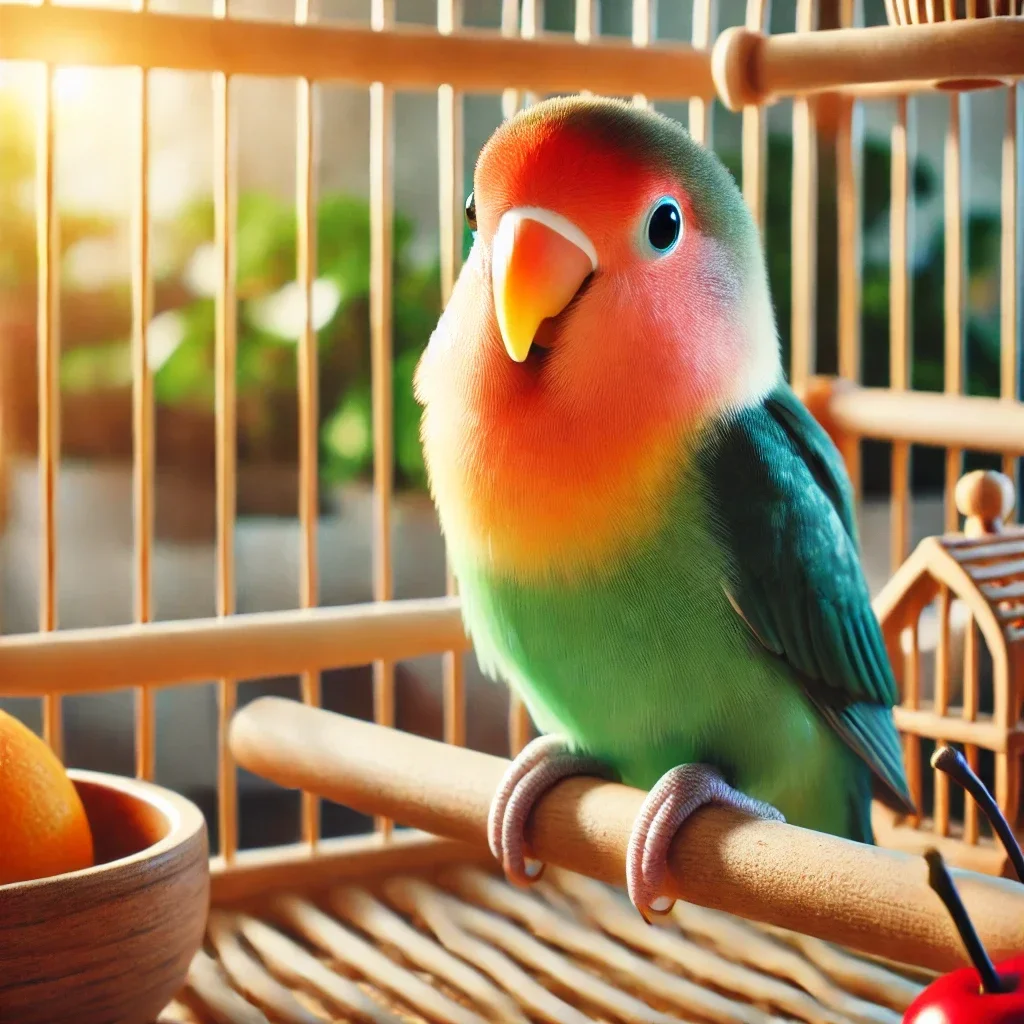
Talking Pet Birds Cute List
Choosing a pet that can chatter back at you is a dream for many bird lovers. The world of Talking Pet Birds offers a blend of intelligence, affection, and a touch of whimsy that can brighten any home. In this guide, we’ll explore the most popular talking and cute bird species, why they’re beloved companions, and how to care for them so they thrive and keep you entertained for years.
Why Talking Birds Make Great Companions
Talking birds are more than just feathered voices; they are social creatures that thrive on interaction. Their ability to mimic human speech turns them into playful conversationalists, while their affectionate nature makes them excellent family pets. Studies from the Cornell Lab of Ornithology show that birds who receive regular verbal engagement exhibit lower stress levels and stronger bonds with their owners. For families looking for a lively, communicative pet, a talking bird can fill that niche beautifully.
Top Talking Pet Birds for Families
Below is a curated list of the cutest and most talkative bird species that are well-suited for households with children and adults alike. Each species is highlighted with key traits, typical vocal range, and care considerations.
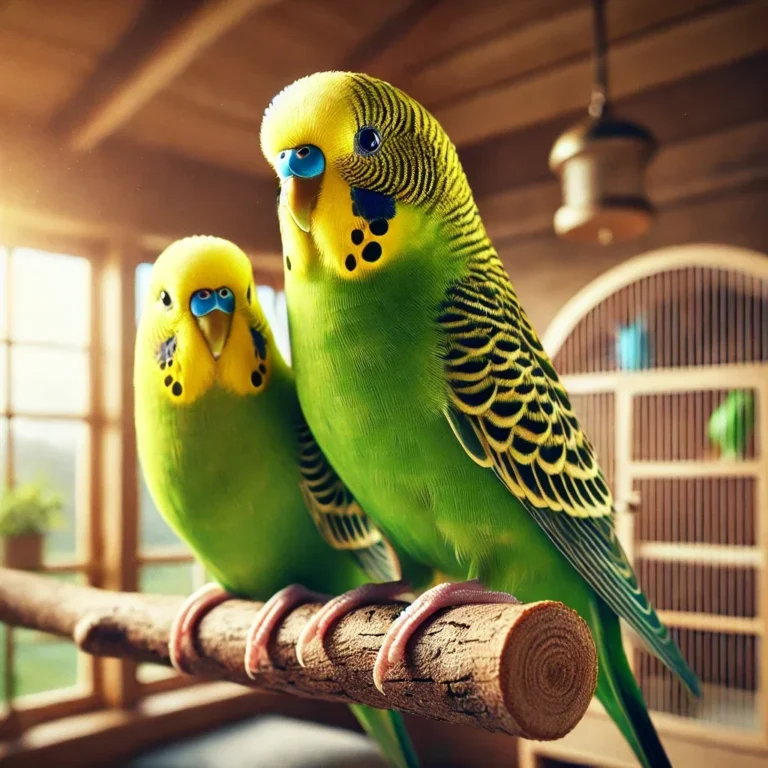
- Budgerigar (Budgie) – Small, bright green, and incredibly friendly. Budgies can learn dozens of words and phrases, making them a favorite for first-time bird owners.
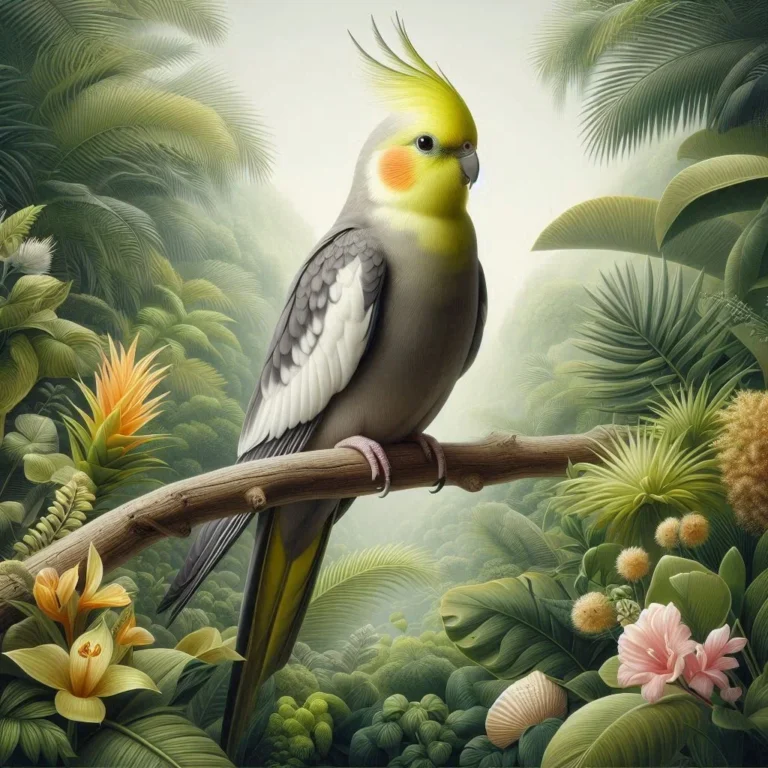
- Cockatiel – Known for their expressive crest and gentle demeanor. They often develop a distinct “voice” and can mimic complex sounds.
- African Grey Parrot – One of the smartest parrots, capable of learning hundreds of words and even simple sentences. Requires mental stimulation and social interaction.
- Amazon Parrot (Yellow‑Headed Amazon) – Energetic and vocal, these parrots thrive in active households and can develop a strong bond with their owners.
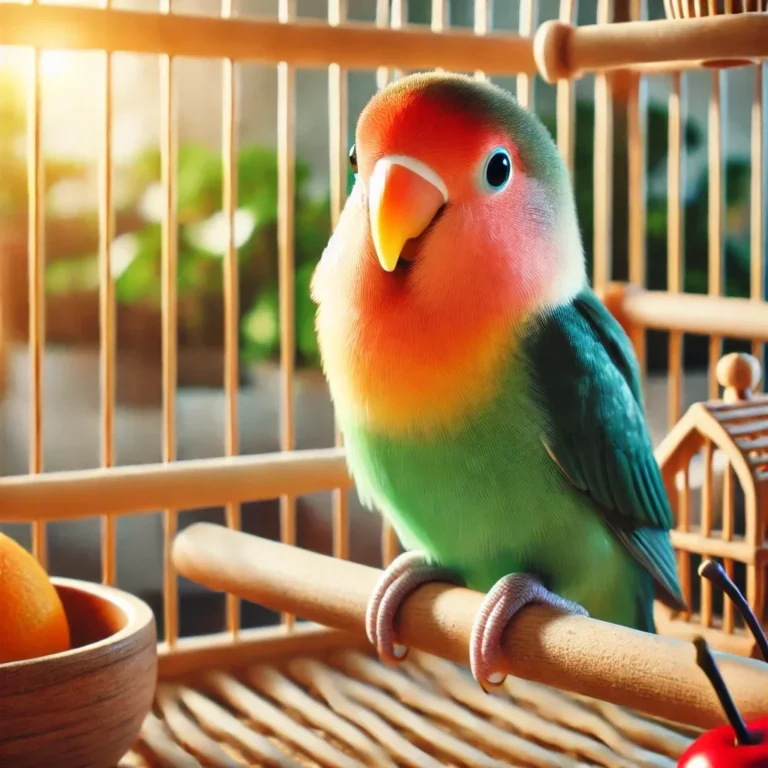
- Lovebird – Small, affectionate, and surprisingly talkative. They are excellent for couples or single owners who enjoy a close, interactive pet.
For more detailed species profiles, you can visit the Budgerigar Wikipedia page or the Cockatiel page to learn about their natural habitats and behavior.
Caring for Your Talking Bird
Providing a healthy environment is essential for a talking bird’s well‑being. Here are key aspects of pet bird care:
- Enclosure Size – A spacious cage with ample perches encourages natural movement and reduces stress.
- Diet – Offer a balanced mix of seeds, pellets, fresh fruits, and leafy greens. Avoid avocado, chocolate, and caffeine.
- Social Interaction – Spend at least 30 minutes daily talking, singing, or playing with your bird to stimulate their vocal skills.
- Health Checks – Regular vet visits, especially with a specialized avian veterinarian, help catch early signs of illness.
- Environmental Enrichment – Rotate toys, provide puzzle feeders, and offer safe, bird‑friendly objects to keep their minds sharp.
Remember, a well‑cared bird is a happy, talkative bird. Consistency in routine and positive reinforcement are the cornerstones of successful bird ownership.
Training Your Bird to Talk
While many birds naturally pick up sounds, training can accelerate their speech development. Follow these steps for effective bird training:
- Choose a Target Word – Start with simple, frequently used words like “hello,” “good‑bye,” or the bird’s name.
- Repetition – Say the word repeatedly in a clear, enthusiastic tone while the bird watches.
- Positive Reinforcement – Reward the bird with a treat or affection when it attempts to mimic the word.
- Consistency – Train in short sessions (5–10 minutes) multiple times a day to avoid fatigue.
- Patience – Some species, like the African Grey, may take longer to learn but often produce more nuanced speech.
Training not only enhances communication but also strengthens the bond between you and your feathered friend. For advanced techniques, consult resources from the American Avian Society.
Choosing the Right Bird for Your Lifestyle
Every bird species has unique needs. Consider the following when selecting a talking pet bird:
- Space – Larger parrots require more room; smaller species like budgies fit well in apartments.
- Time Commitment – Birds need daily interaction; if you travel often, a smaller, less demanding species may be preferable.
- Noise Tolerance – Some parrots are louder; ensure your living environment can accommodate their vocal habits.
- Longevity – Parrots can live 20–50 years; be prepared for a long-term commitment.
By aligning your lifestyle with a bird’s natural tendencies, you’ll create a harmonious home for both of you.
Conclusion: Bring Home a Talking Companion Today
Choosing a Talking Pet Bird is more than a pet purchase—it’s an invitation to a lifelong partnership filled with chatter, affection, and shared moments. Whether you opt for a playful budgie, a charismatic cockatiel, or an intelligent African Grey, the right bird will enrich your daily life and offer endless entertainment.
Ready to add a talking, cute companion to your family? Explore reputable breeders, rescue centers, or local avian clubs to find the perfect match. Start your journey today and let the conversation begin!
Frequently Asked Questions
Q1. What makes a bird a good talking pet?
A good talking pet is typically intelligent, social, and eager to interact. Species like budgies, cockatiels, and African greys have natural mimicry abilities and thrive on verbal engagement. They also tend to bond well with humans, making them enjoyable companions.
Q2. How long does it take for a bird to start talking?
Timing varies by species and individual. Budgies may begin repeating words in a few weeks, while African greys can take several months to a year. Consistent training, a stimulating environment, and positive reinforcement accelerate learning.
Q3. Are talking birds safe for children?
Yes, when properly socialized and supervised. Children should learn gentle handling techniques and respect the bird’s space. Regular interaction helps the bird feel secure and reduces stress.
Q4. What diet do talking birds need?
A balanced diet includes seeds, pellets, fresh fruits, and leafy greens. Avoid toxic foods like avocado, chocolate, and caffeine. Fresh water should be available at all times.
Q5. How can I keep a talking bird healthy?
Regular vet check‑ups, especially with an avian specialist, are essential. Provide environmental enrichment, adequate cage space, and daily social interaction. Monitor for signs of illness and address them promptly.