Talking Birds Best Pet Choices
Choosing a pet that can talk back is a dream for many bird lovers. The allure of a feathered companion that can mimic words, sing, and even engage in simple conversations is undeniable. When you’re looking for the best talking birds as pets, it’s essential to consider factors such as vocal ability, temperament, lifespan, and care requirements. This guide will walk you through the top talking bird species, their unique traits, and practical tips to help you make an informed decision.
1. African Grey Parrot – The Voice of Intelligence
The African grey parrot (Psittacus erithacus) is widely regarded as the most articulate and intelligent talking bird. With a vocabulary that can reach several hundred words, these parrots are known for their clear pronunciation and ability to use language contextually. Their social nature means they thrive on interaction, making them excellent companions for families and individuals alike.
- Vocal Strength: Exceptional clarity and range.
- Intelligence: High problem‑solving skills and memory.
- Lifespan: 40–60 years with proper care.
- Care Needs: Requires mental stimulation, a varied diet, and regular vet check‑ups.
Because of their demanding nature, African greys are best suited for experienced bird owners who can dedicate time to enrichment activities. For more information on their care, consult the Wikipedia entry on African grey parrots.
2. Budgerigar (Budgie) – The Small‑Scale Conversationalist
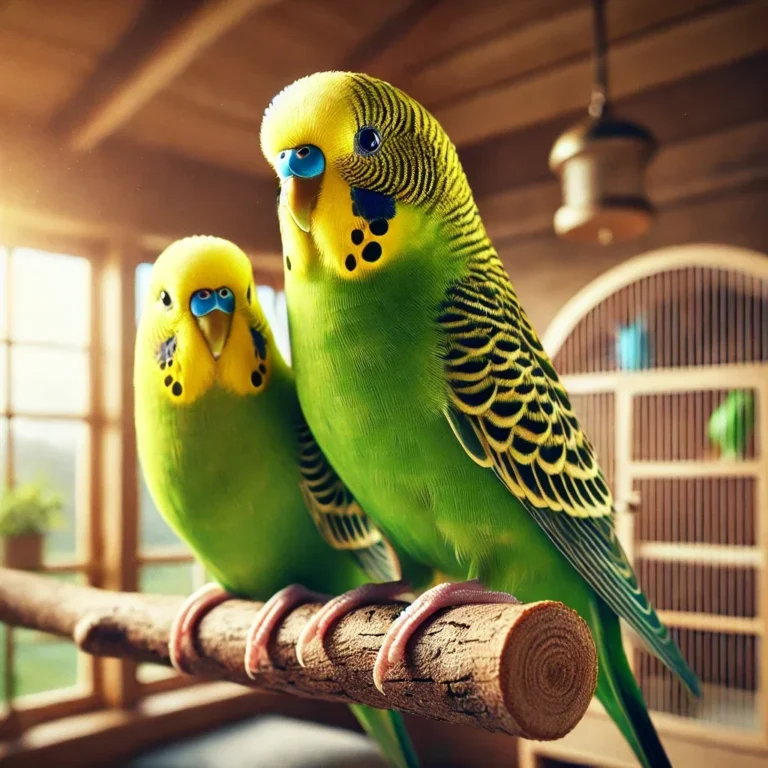
Budgerigars, commonly known as budgies or budgies, are small parrots that can surprisingly develop a decent vocabulary. Their friendly disposition and relatively low maintenance make them a popular choice for first‑time bird owners. While they may not match the African grey in vocal complexity, budgies can still mimic phrases and respond to simple commands.
Budgies thrive in social settings and enjoy interactive toys, puzzle feeders, and daily playtime. They typically live 5–10 years, which is shorter than larger parrots but still offers a rewarding companionship experience.
3. Cockatiel – The Charming Mimic with a Personality
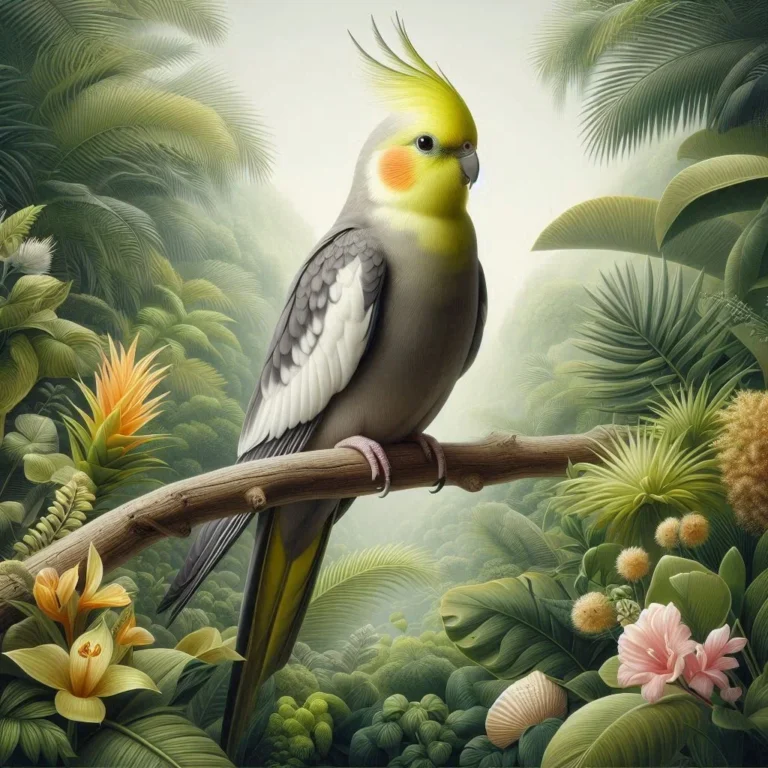
Cockatiels (Nymphicus hollandicus) are known for their whistling and chirping abilities, which can be mistaken for talking. They are highly affectionate, often forming strong bonds with their owners. Cockatiels can learn to say a handful of words and are especially good at repeating phrases they hear frequently.
These birds are relatively easy to care for, with a lifespan of 10–15 years. They enjoy a diet rich in fresh vegetables, seeds, and occasional fruit. Regular social interaction and mental stimulation are key to keeping a cockatiel happy and healthy.
4. Amazon Parrot – The Vocal Powerhouse
Amazon parrots, such as the Yellow‑head Amazon (Amazona oratrix) and the Blue‑fronted Amazon (Amazona aestiva), are renowned for their loud, clear voices. They can develop extensive vocabularies and are often considered the next step after African greys for those who want a larger, more robust talking bird.
Amazon parrots require a spacious cage, a varied diet, and plenty of enrichment. Their lifespan ranges from 25 to 40 years, depending on the species and care. They are highly social and can become deeply attached to their owners.
5. Key Considerations When Choosing a Talking Bird
Before you decide on a species, evaluate the following factors:
- Time Commitment: Talking birds need daily interaction and mental stimulation.
- Space: Larger species require bigger cages and more room to fly.
- Noise: Some parrots are louder than others; consider your living environment.
- Health Care: Regular vet visits are essential; consult an avian specialist.
- Diet: A balanced diet of seeds, pellets, fresh produce, and occasional treats is crucial.
For professional guidance on avian health, the American Association of Avian Physicians offers comprehensive resources and a directory of certified veterinarians.
6. Caring for Your Talking Bird: Daily Routines and Enrichment
Maintaining a happy, healthy talking bird involves more than just feeding and cleaning. Here are essential daily routines:
- Social Interaction: Spend at least 30 minutes talking, singing, or playing with your bird.
- Training Sessions: Short, positive reinforcement sessions help reinforce good behavior and expand vocabulary.
- Environmental Enrichment: Rotate toys, provide puzzle feeders, and offer safe perches to stimulate curiosity.
- Health Checks: Inspect feathers, beak, and feet for signs of injury or disease.
- Dietary Variety: Offer fresh greens, fruits, and high‑quality pellets daily.
Regular vet check‑ups are vital. The Avian Health Organization provides guidelines on preventive care and common health issues in pet birds.
7. Common Health Issues and Prevention
Talking birds can be susceptible to several health problems, including:
- Psittacine Beak and Feather Disease (PBFD): A viral infection that affects feather growth.
- Avian Influenza: A contagious respiratory disease; vaccination is recommended.
- Obesity: Overfeeding can lead to metabolic disorders.
- Dental Problems: Overgrown beaks require trimming.
Preventive measures such as a balanced diet, regular exercise, and routine veterinary care can mitigate these risks. For detailed information on avian diseases, refer to the U.S. Fish & Wildlife Service resources on bird health.
Conclusion – Find Your Perfect Talking Companion
Choosing the best talking bird as a pet is a rewarding journey that blends companionship, intelligence, and vocal delight. Whether you opt for the sophisticated African grey, the playful budgie, the affectionate cockatiel, or the robust Amazon, each species offers a unique experience. Remember to assess your lifestyle, time commitment, and willingness to provide lifelong care.
Ready to bring home a talking bird that will fill your days with conversation and joy? Start by researching the species that best fits your home and schedule, and consult reputable avian experts to ensure a healthy, happy partnership. Your future feathered friend awaits—take the first step today!
Frequently Asked Questions
Q1. What makes African Grey Parrots the top talking bird?
African Grey Parrots are renowned for their exceptional vocal clarity and large vocabularies, often reaching several hundred words. Their advanced cognitive abilities allow them to use words contextually, making conversations feel natural. They thrive on social interaction, so they bond deeply with attentive owners. However, they require significant mental stimulation and a long-term commitment. Proper care includes a varied diet, enrichment toys, and regular veterinary check-ups.
Q2. How long do budgies live and what care do they need?
Budgies typically live between 5 and 10 years, depending on genetics and care. They need a spacious cage with perches, toys, and daily interaction to prevent boredom. A balanced diet of seeds, pellets, fresh vegetables, and occasional fruit keeps them healthy. Regular grooming, such as trimming nails, and routine vet visits are essential. Budgies are relatively low-maintenance, making them ideal for first-time owners.
Q3. Are cockatiels good for first‑time bird owners?
Cockatiels are affectionate and easy to handle, making them suitable for beginners. They can learn a handful of words and enjoy simple training sessions. Their lifespan of 10–15 years is moderate, and they require a diet rich in fresh produce. Daily social interaction and mental stimulation help prevent behavioral issues. With consistent care, cockatiels become loyal companions.
Q4. What are the main health risks for Amazon parrots?
Amazon parrots are prone to respiratory infections, such as avian influenza, and can develop Psittacine Beak and Feather Disease. They may also suffer from obesity if overfed and from dental problems due to overgrown beaks. Regular veterinary check-ups and vaccinations help mitigate these risks. A varied diet, ample exercise, and proper cage hygiene are critical for long-term health.
Q5. How can I train my talking bird to use proper language?
Training begins with short, positive reinforcement sessions using treats and praise. Consistency is key—practice daily for 10–15 minutes. Use clear, simple commands and repeat words often to reinforce learning. Avoid negative reinforcement, as it can cause stress. Over time, your bird will expand its vocabulary and use words contextually.