Talkative Birds Explained
Talkative birds captivate our imagination, their mimicry and chatter turning simple feathered companions into living classrooms. The question of what makes certain species far more vocal than others invites a deep dive into anatomy, brain wiring, environment, and human influence. Understanding these factors not only satisfies curiosity but also informs better care and conservation strategies for these intelligent creatures.
What Drives Vocal Behavior in Birds
Vocal behavior in birds is rooted in both innate programming and learned experiences. Many species possess a specialized muscle called the syrinx, situated at the tracheal bifurcation, which allows intricate sound production. While the basic capability is universal, the extent and precision vary profoundly across taxa. A study in Nature Neuroscience highlighted that parrots’ syrinx can adjust pitch across a wide range, a prerequisite for mimicry. This biological foundation supports the evolution of complex vocal repertoires, but environmental exposure is essential for the full expression of talkativeness.
In addition to the syrinx, feathers and flight mechanics can influence sound resonance. Light, agile species such as the mynah, often demonstrate a range of whistles and imitations that are both diverse and clear. The interplay between physical anatomy and acoustic necessity creates a canvas onto which behavior is painted.
Brain Size and the Vocal Cortex
Research has shown a strong correlation between brain volume, particularly in the forebrain, and vocal sophistication. The avian vocal-learning nucleus, known as the high vocal center (HVC), is significantly larger in parrots, mynahs, and some songbirds than in other birds. This specialized region orchestrates the timing and syntax of complex calls. A key observation from the Cornell Lab of Ornithology reveals that parrots possess a direct forebrain‑brainstem pathway, unique in the animal kingdom, facilitating refined speech mimicry. Cornell Lab of Ornithology provides detailed comparative studies confirming these neural distinctions.
Brain size alone, however, does not guarantee talkativeness. The density of neural connections and synaptic plasticity are equally critical. For example, the budgerigar’s vocal nucleus, while smaller than that of the African grey parrot, is highly efficient at absorbing and reproducing new sounds quickly.
| Species | Average Brain Size (cm³) | Known Vocal Ability |
|---|---|---|
| African Grey Parrot | 5.2 | Exceptional mimicry, complex syntax |
| Common Mynah | 4.8 | Wide range of whistles, imitation |
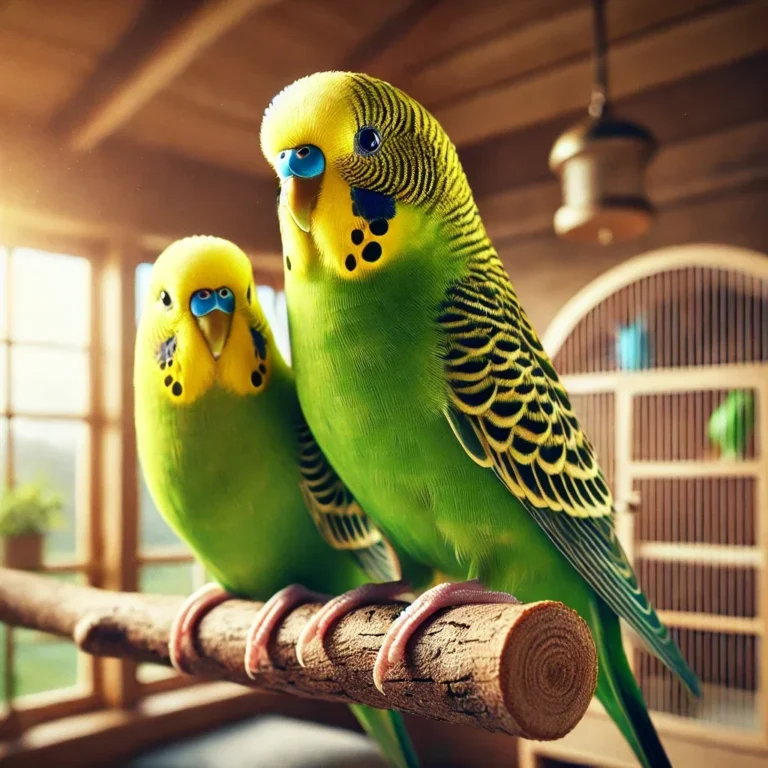
| Budgerigar | 2.9 | Fast learning, moderate volume |
Evolutionary Adaptations for Speech
Evolutionary pressures have shaped vocal learning in birds that rely on complex social interactions, territorial defense, and mate selection. Species such as the Australian magpie not only produce loud calls but also engage in improvisational singing during courtship displays. Evolutionary biologists posit that the ability to modulate tone and rhythm conferred significant reproductive advantages, leading to the retention of vocal learning genes.
Moreover, vocal learning may serve as a mechanism to reinforce group cohesion. In monogamous species, synchronized calls strengthen pair bonds; in flocking birds, coordinated chatter reduces predation risk by maintaining spatial awareness. These adaptive benefits are reflected in the structural complexity of their neural vocal centers.
Environmental Influences and Social Dynamics
Beyond genetics and anatomy, an individual bird’s environment heavily dictates vocal output. In densely populated aviaries, birds develop a broader repertoire to navigate social hierarchies, much like humans expanding their vocabulary in varied contexts. Birds exposed to diverse soundscapes—urban noises, other bird species, or humans—tend to adapt more rapidly and exhibit greater vocal versatility.
Field studies conducted by the USDA’s USDA have documented that habitat complexity correlates with vocal diversity. For instance, woodland species often produce intricate songs to traverse dense foliage, whereas open‑land species favor loud, clear calls to cover longer distances.
Human Interaction and Training
Human presence is a pivotal factor in fostering talkativeness, especially in pet birds. Repetitive exposure to human speech, combined with positive reinforcement, accelerates mimicry. The “conditioned stimulus” method, widely used in avian training, pairs specific sounds with rewards, building a cause‑effect relationship that encourages repetition.
However, effective training requires consistency and patience. Overexposure to noisy environments without clear context can confuse birds, leading to frustration rather than learning. Successful trainers often use short, focused sessions with targeted phrases, allowing the bird to internalize phonetics before expanding.
Conclusion and Call to Action
Understanding why some birds are more talkative than others reveals a dynamic interplay of biology, environment, and human engagement. Whether you’re a seasoned avian enthusiast or a curious new pet owner, nurturing a bird’s vocal growth involves providing a stimulating environment, positive reinforcement, and recognizing the bird’s natural neural architecture.
Take action today by observing your feathered friend’s everyday sounds, experimenting with gentle vocal cues, and learning about their species-specific needs. Empower your bird’s communication potential—embrace talkative birds for a richer, more interactive companionship.
Frequently Asked Questions
Q1. Why do some parrots mimic sounds better than others?
Parrots with larger vocal centers and direct forebrain–brainstem pathways can process and reproduce sounds more precisely. Individual differences in training and exposure also play a crucial role.
Q2. Can any bird species learn to talk?
Only a subset of bird species exhibit vocal learning—parrots, mynahs, some songbirds, and a few waterfowls. Species lacking the specialized neural circuits typically cannot learn new sounds.
Q3. What is the best way to encourage a bird to vocalize?
Provide consistent, positive reinforcement, expose the bird to varied sounds, and engage in short, focused training sessions that reward mimicry.
Q4. Does a bird’s diet affect its talkativeness?
Nutrition influences overall health and neurological function; a balanced diet supports optimal brain development, which can indirectly improve vocal learning abilities.
Q5. How can I tell if my bird is getting bored with training?
Signs of boredom include decreased engagement, avoidance behaviors, or vocal complaints. Vary the training stimuli and keep sessions engaging to maintain interest.