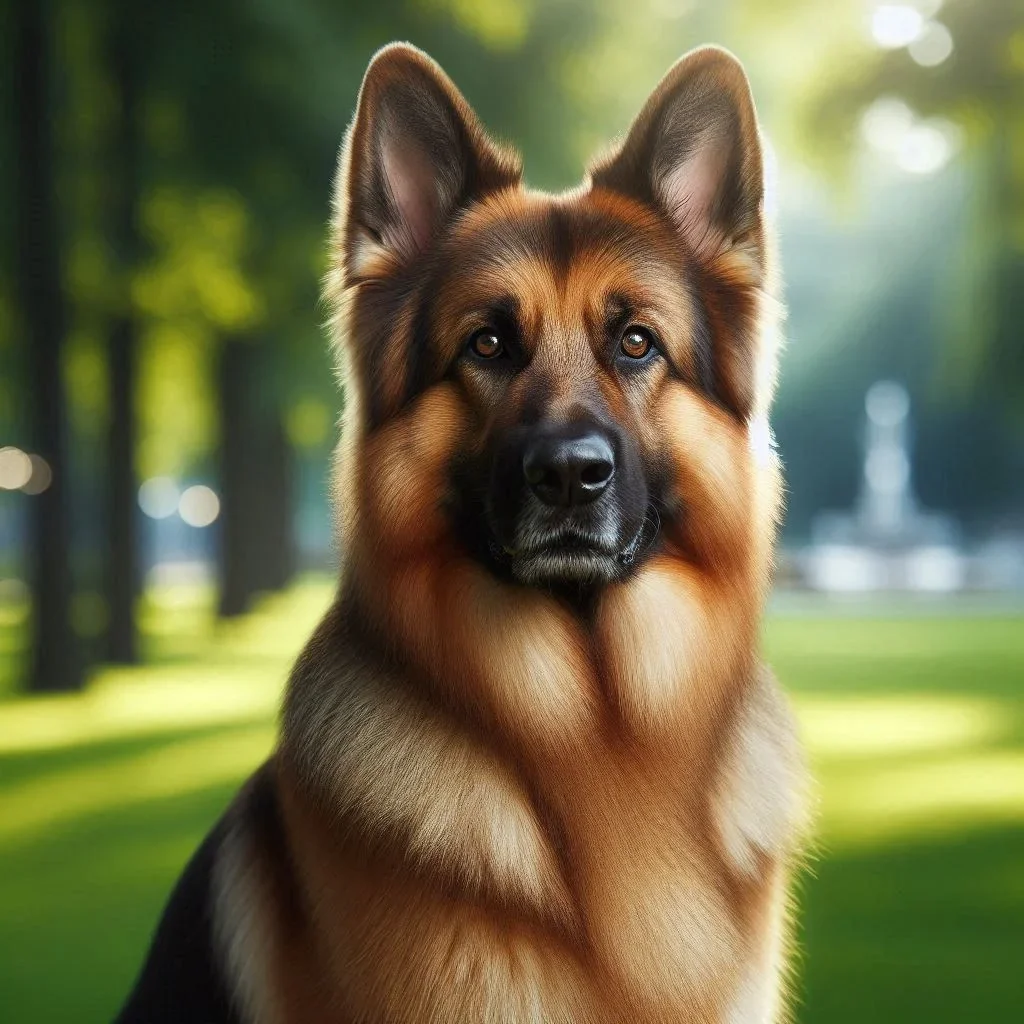
Strongest Dog Breeds for Protection
When it comes to securing your home, family, or property, choosing a canine companion that combines size, stamina, and instinctive guarding abilities can be a game‑changer. The strongest dog breeds for protection are not merely large; they possess a blend of physical power, intelligence, and a natural drive to defend their territory. In this guide we explore why these breeds excel at protection, which breeds consistently rank at the top, and the training considerations that turn raw strength into reliable security.
Why Strongest Dog Breeds for Protection Matter
Strength alone does not guarantee a good guard dog, but it provides the foundation for deterrence. A formidable presence can discourage potential intruders before a confrontation even begins. Moreover, strong muscles enable the dog to react quickly and sustain a defensive stance if needed. According to the American Kennel Club, breeds that were originally selected for guarding or war have retained these traits through centuries of careful breeding American Kennel Club. Understanding these characteristics helps owners match a breed’s capabilities to their security needs.
Top Strongest Dog Breeds for Protection
The following list compiles the most reliable, power‑filled guardians. Each breed has proven its mettle in police work, personal security, or historic battlefield roles. Their reputation is backed by research from reputable sources such as the United States Department of Agriculture’s Animal and Plant Health Inspection Service and veterinary studies on canine genetics.
- German Shepherd – Renowned for versatility, intelligence, and muscular build. Frequently employed by law enforcement worldwide.
- Rottweiler – A powerful, confident breed with a deep guarding instinct. Originated as a herding and protecting dog for cattle.
- Belgian Malinois – Slightly lighter than the German Shepherd but exceptionally agile and strong. A favorite among elite tactical units.
- Doberman Pinscher – Sleek, fast, and surprisingly strong for its size. Developed in the 19th century specifically for personal protection.
- American Pit Bull Terrier – Often misunderstood, this breed combines tenacity with remarkable bite force.
Each of these breeds appears in detailed breed profiles on Wikipedia, confirming their historic role as protectors.
Training Strongest Dog Breeds for Protection
Raw power is only the starting point; disciplined training transforms a strong dog into a reliable guardian. Professional obedience classes, socialization with people and other animals, and specific protection drills are essential. The National Institute of Justice notes that dogs engaged in protection work must undergo rigorous, standardized training to ensure safety for both handlers and the public National Institute of Justice. Consistency, positive reinforcement, and clear boundaries are key components.
Socialization and Temperament Management
Even the toughest guard dog can become a liability if it lacks proper socialization. Early exposure to varied environments—urban streets, crowded parks, and controlled encounters with strangers—helps the dog differentiate between genuine threats and harmless situations. A study from the University of Pennsylvania’s School of Veterinary Medicine emphasizes that early social exposure reduces aggression and improves predictive behavior in guard breeds University of Pennsylvania Veterinary School.
Physical Conditioning and Health Care
Strong dogs require regular exercise to maintain muscle tone and joint health. High‑intensity activities such as interval runs, weight‑pulling, and agility courses keep them physically prepared. Routine veterinary check‑ups, especially for breeds prone to hip dysplasia (e.g., German Shepherds), are vital for longevity and effectiveness. The American Veterinary Medical Association provides guidelines on maintaining canine fitness AVMA Exercise Guidelines.
Living Arrangements for Strongest Dog Breeds for Protection
These breeds thrive in environments where they have space to move, a defined territory, and clear leadership. A secure, fenced yard offers a safe perimeter for the dog to patrol. Indoors, a designated “guard spot” near entryways reinforces the dog’s role as a protector. However, they are not suited for cramped apartments unless the owner can commit to extensive daily exercise and mental stimulation.
It is also important to note that strong guarding dogs can be sensitive to neglect. Providing consistent companionship, mental challenges, and a structured routine helps prevent anxiety‑driven aggression.
Family Integration
Many owners wonder whether a powerful guard dog can coexist peacefully with children. The answer hinges on training and supervision. Properly trained dogs, especially those from the list above, can become gentle family guardians. Studies from the Child Development Institute indicate that children who grow up with well‑socialized guard dogs develop heightened confidence and respect for animals Child Development Institute. Nevertheless, adult supervision during interactions is always recommended.
Conclusion and Call to Action
Choosing one of the strongest dog breeds for protection empowers you with a reliable, instinct‑driven ally. By understanding each breed’s history, committing to thorough training, and providing appropriate living conditions, you can transform raw strength into a dependable security asset for your home. Ready to elevate your home safety with a proven protector? Contact a certified canine trainer today and start the journey toward a safer, more confident future with the strongest dog breeds for protection.
Frequently Asked Questions
Q1. Which dog breeds are considered the strongest for protection?
The German Shepherd, Rottweiler, Belgian Malinois, Doberman Pinscher, and American Pit Bull Terrier are consistently ranked among the strongest protection breeds. These dogs combine muscular builds with a natural guarding instinct. Their histories in police work, military service, or personal security demonstrate proven effectiveness. Proper training and socialization unlock their full potential as reliable guardians.
Q2. How much training does a guard dog need?
Guard dogs require a solid foundation of basic obedience before any specialized protection work. Professional classes should cover commands like sit, stay, recall, and heel, followed by controlled protection drills. Consistent, positive‑reinforcement training over several months ensures reliability and safety. Ongoing practice maintains skill levels throughout the dog’s life.
Q3. Are strong protection breeds good with children?
Strong protection breeds can be excellent family companions when raised with children from an early age. Early socialization teaches them to differentiate play from threats and to respond calmly. Supervised interactions and clear boundaries keep both the dog and kids safe. Even well‑trained guards still need adult oversight during any play.
Q4. What health issues should I monitor in these breeds?
Many of the top guard breeds are prone to specific health concerns that owners must monitor. German Shepherds often face hip dysplasia and degenerative myelopathy, while Rottweilers can develop elbow dysplasia and cardiac issues. Regular veterinary check‑ups, joint‑support diets, and weight management help mitigate these risks. Early detection through screening can extend the dog’s working life.
Q5. Can these breeds live in apartments?
While these breeds thrive in homes with ample space, they can adapt to apartment living if their exercise needs are met. Daily high‑intensity walks, agility sessions, and mental puzzles are essential to prevent frustration. A secure, fenced area for off‑leash play is strongly recommended. Without sufficient stimulation, confined living can lead to behavioral problems.