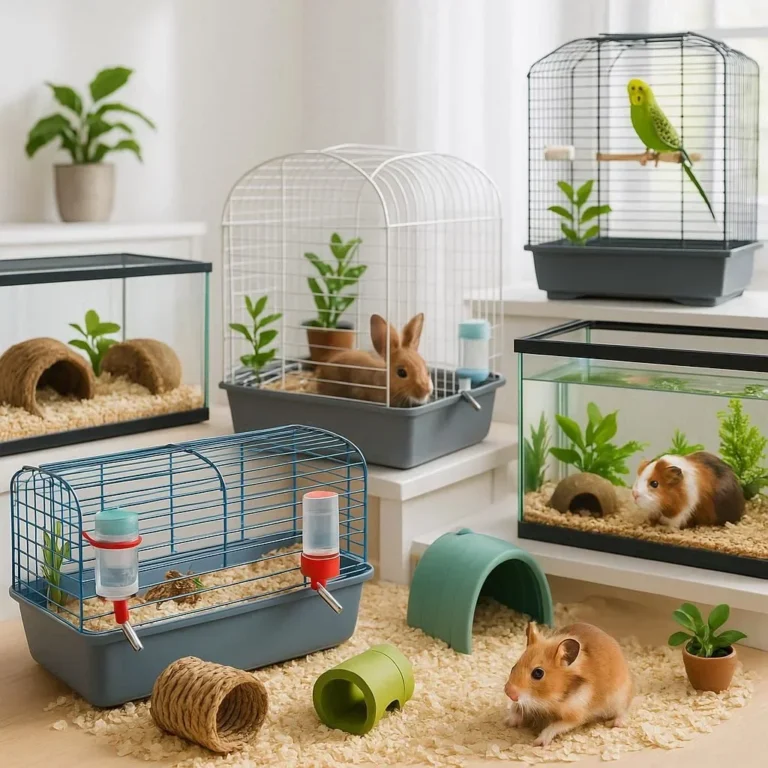
Small Pets With Big Hearts
When we think of pets that bring joy and companionship, we often picture dogs or cats. Yet, the world of Small Pets offers a surprising array of animals that, despite their modest size, possess hearts that are as big as any large animal. These tiny companions can provide emotional support, teach responsibility, and bring a unique kind of love into our homes. In this guide, we explore the most heartwarming small pets, their emotional intelligence, health needs, and how to choose the right one for your lifestyle.
Small Pets: The Heartwarming Companions
Small pets such as guinea pigs, rabbits, hamsters, and ferrets have long been cherished for their gentle nature and affectionate behavior. According to the Wikipedia entry on guinea pigs, these rodents are social creatures that thrive on interaction, making them excellent companions for families and individuals alike. Their small size belies a complex social structure and a capacity for forming strong bonds with their owners.
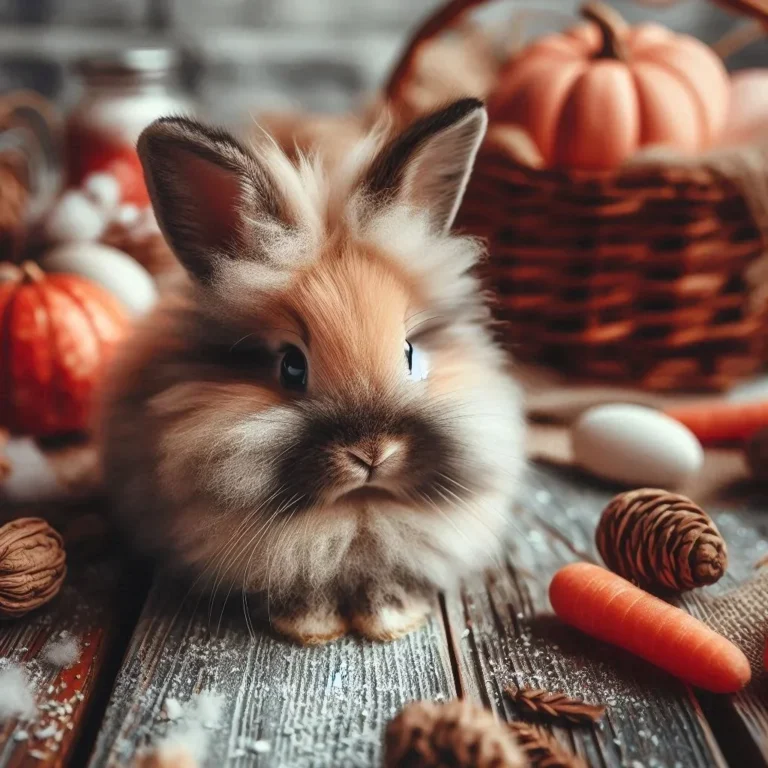
Rabbits, for instance, are known for their playful personalities and can even recognize their owners’ voices. The American Veterinary Medical Association highlights that rabbits exhibit a range of emotions, from excitement to anxiety, and respond positively to gentle handling. Ferrets, on the other hand, are highly curious and can develop deep attachments to their human caretakers, often following them around the house and engaging in playful antics.
Small Pets and Their Emotional Intelligence
One of the most remarkable aspects of small pets is their emotional intelligence. Studies from the National Institutes of Health demonstrate that guinea pigs can recognize individual human faces and respond differently to familiar versus unfamiliar people. This ability to discern and react to human emotions is a testament to their sophisticated social cognition.
Hamsters, often perceived as solitary, can also display affection when handled gently. They may nuzzle against a hand or follow a caregiver around the cage, indicating a level of attachment that many pet owners find endearing. Ferrets, with their playful nature, often engage in “play fighting” with their owners, a behavior that signals trust and excitement.
Below is a quick list of small pets known for their big hearts:
- Guinea Pig – Social and affectionate, thrives on companionship.
- Rabbit – Playful, can recognize owners’ voices.
- Hamster – Gentle when handled, shows attachment.
- Ferret – Curious, forms strong bonds through play.
- Budgerigar (Budgie) – Vocal, enjoys interactive play.
Small Pets: Health and Care Essentials
Providing a healthy environment is crucial for any small pet. The Centers for Disease Control and Prevention outlines key health guidelines for guinea pigs, emphasizing the importance of a balanced diet rich in vitamin C and a clean living space. Rabbits require a diet high in hay and fresh vegetables, and their cages should be spacious enough to allow for exercise.
Hamsters need a bedding that absorbs moisture and a wheel for exercise, while ferrets benefit from a diet high in protein and fat, along with regular veterinary check-ups. Budgerigars, being birds, require a perch, a varied diet of seeds and fresh greens, and a cage that encourages flight and exploration.
Regular veterinary visits are essential for all small pets. Vaccinations, parasite control, and routine health screenings help prevent common ailments such as dental disease in guinea pigs or respiratory infections in rabbits. Proper grooming, especially for ferrets and budgerigars, also contributes to overall well-being.
Small Pets: Choosing the Right Companion
When selecting a small pet, consider your lifestyle, living space, and the amount of time you can dedicate to care. If you live in a small apartment, a hamster or budgerigar may be a practical choice due to their minimal space requirements. For families with children, a rabbit or guinea pig can offer a gentle learning experience about responsibility and empathy.
It’s also important to research the temperament of each species. Some rabbits are more skittish, while others are naturally curious. Guinea pigs are generally docile but can become stressed if handled too roughly. Ferrets, known for their mischievous nature, require a safe environment to prevent escape and injury.
Before bringing a small pet home, ensure you have the necessary supplies: appropriate cages, bedding, food, toys, and a plan for regular veterinary care. Many reputable breeders and rescue organizations provide starter kits and educational resources to help new owners.
Conclusion and Call to Action
Small pets with surprisingly big hearts can enrich our lives in countless ways. Their emotional depth, combined with manageable care requirements, makes them ideal companions for individuals and families alike. If you’re ready to welcome a Small Pet with a big heart into your home, start by researching the species that best fits your lifestyle, consult reputable sources, and prepare a loving environment. Embrace the joy, responsibility, and unconditional love that these tiny companions bring, and experience the profound bond that only a small pet can offer.
Frequently Asked Questions
Q1. What makes small pets emotionally intelligent?
Small pets such as guinea pigs, rabbits, and ferrets exhibit remarkable emotional intelligence. They can recognize familiar faces, respond to tone of voice, and even display excitement or anxiety based on their environment. Studies show that guinea pigs can differentiate between familiar and unfamiliar humans, while rabbits can recognize their owners’ voices. This ability to read and react to human emotions makes them deeply engaging companions.
Q2. How much space do small pets need?
Space requirements vary by species. Hamsters and budgerigars thrive in smaller cages with ample enrichment, while rabbits and guinea pigs need larger enclosures to exercise and explore. A general rule is to provide at least 2–3 times the animal’s body length in horizontal space. Always ensure the cage has a solid floor, secure lid, and plenty of toys or perches.
Q3. Are small pets suitable for families with children?
Yes, many small pets are excellent for families, especially when children learn to handle them gently. Rabbits and guinea pigs can teach responsibility, while hamsters and budgerigars offer interactive play. Supervision is key to prevent rough handling and to ensure the pet’s safety. With proper education, children can develop empathy and care for their tiny companions.
Q4. What are common health issues in small pets?
Common problems include dental disease in guinea pigs, respiratory infections in rabbits, and obesity in hamsters if overfed. Ferrets may develop adrenal disease or dental issues, while budgerigars can suffer from feather plucking or respiratory problems. Regular veterinary check‑ups, a balanced diet, and proper hygiene help prevent these conditions.
Q5. How often should I take my small pet to the vet?
Annual wellness exams are recommended for all small pets, with more frequent visits for ferrets and rabbits due to their specific health needs. Vaccinations, parasite control, and dental checks should be part of routine care. If you notice sudden changes in behavior, appetite, or litter box habits, schedule an appointment sooner.