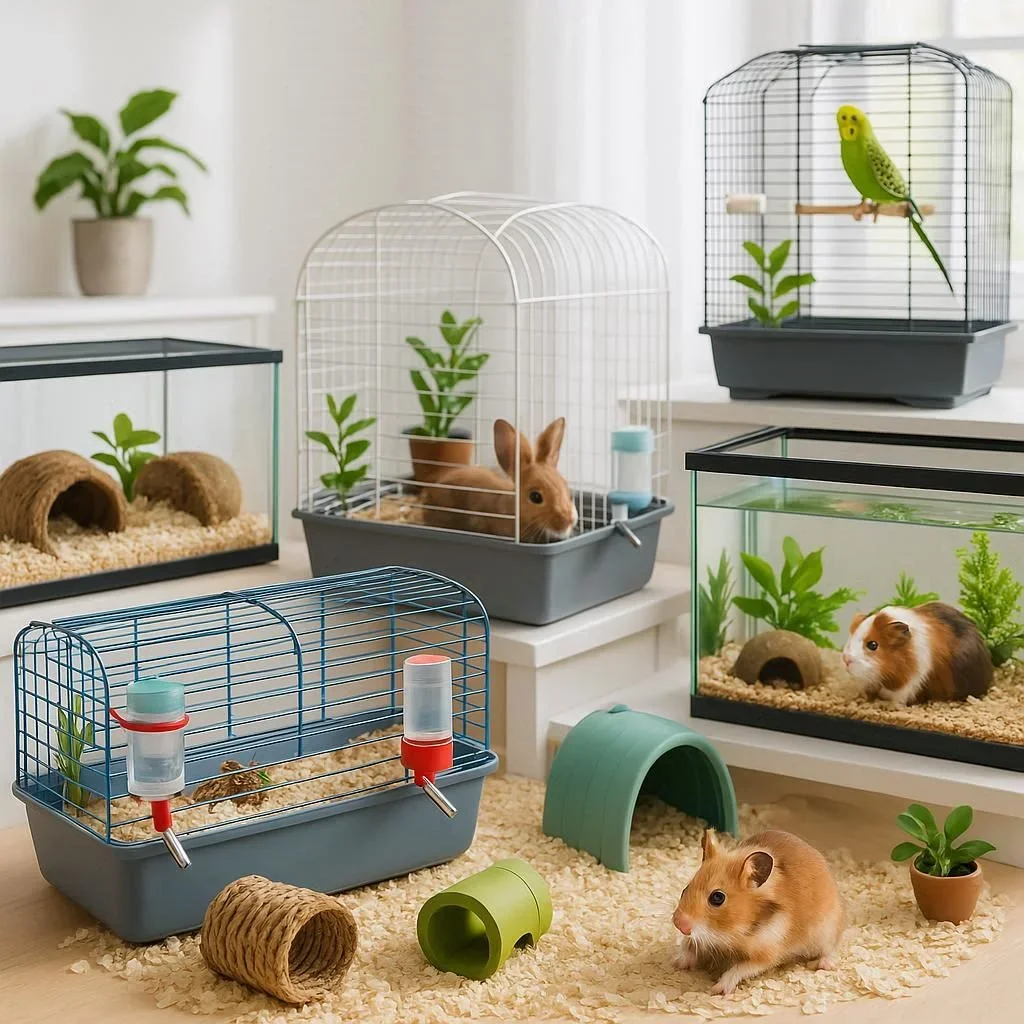
Small Pet Habitats Guide
When you’re deciding on the best environment for a small pet, the term Small Pet Habitats becomes central to the conversation. The choice between an indoor enclosure and an outdoor space impacts the animal’s daily comfort, health, and overall well-being. By reviewing the essential features, benefits, and potential pitfalls of each setting, you can tailor a habitat that suits both your pet’s nature and your living situation.
Indoor Small Pet Habitats
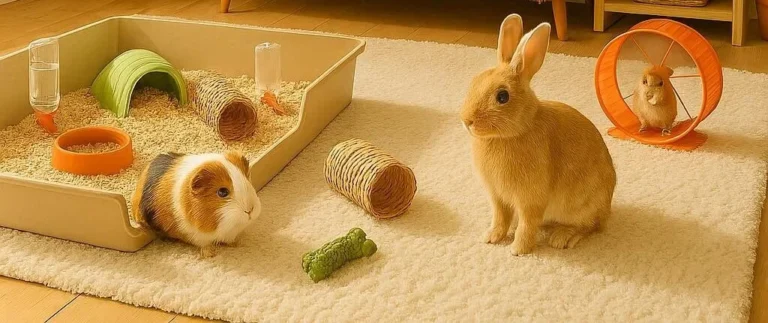
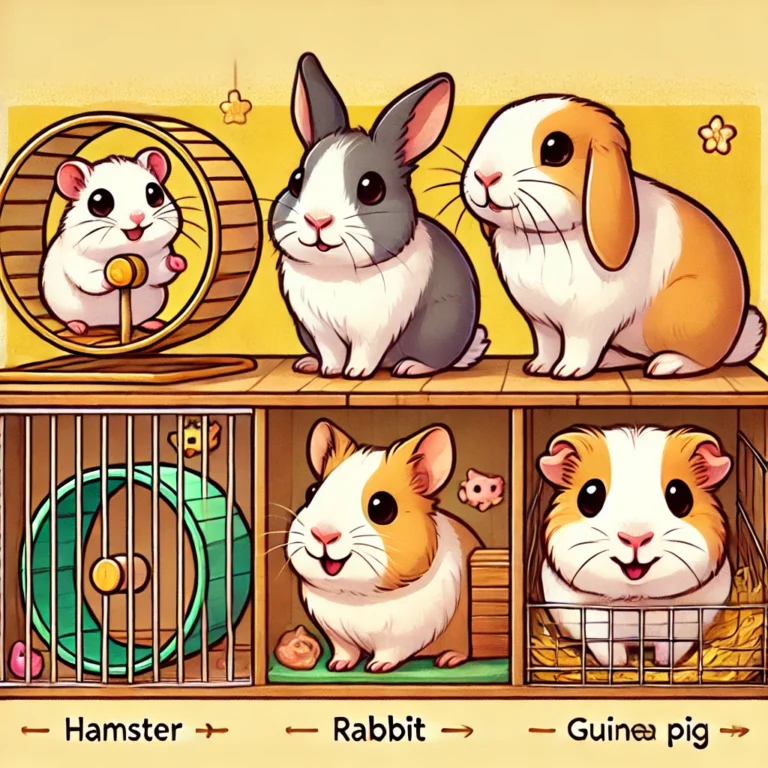
Indoor habitats are the most common choice for small pets such as guinea pigs, hamsters, and rabbits that thrive in a controlled environment. The primary advantage is the ability to regulate temperature, humidity, and light exposure, reducing the risk of heatstroke or cold-related illnesses. A well-designed indoor enclosure incorporates multiple levels, hiding spots, and chewable bedding to foster natural behaviors while keeping messes contained. For rabbits, for instance, a floor plan that includes a running tunnel and a high platform allows for exercise without compromising litter maintenance. Additionally, indoor living can significantly limit exposure to predators, parasites, and toxic plants, essential for pet safety.
Outdoor Small Pet Options
Many owners consider a small garden or balcony as an outdoor habitat, especially for agile pets like feral cats or certain reptiles. Outdoor spaces can offer a more dynamic experience with natural stimuli, such as light, wind, and the presence of varied flora, which encourages exploration. However, an outdoor setting introduces environmental variables that can be unpredictable. Temperature fluctuations can quickly become dangerous for small mammals, and potential exposure to insects, aggressive wildlife, or harmful chemicals from lawn care products can pose serious risks. According to the American Veterinary Medical Association (AVMA), providing a secure outdoor enclosure is vital for maintaining pet health and safety.
Comparing Indoor vs. Outdoor Habitats
When weighing indoor against outdoor options, several criteria stand out:
- Climate control: Indoor spaces allow precise temperature settings. Outdoor habitats rely on natural weather, which can be inconsistent.
- Pest exposure: Outdoors present insects and rodents; indoors limit insect infestations.
- Injury risk: Outdoor predators or traffic accidents are potential threats; indoor enclosures keep pets secure.
- Enrichment opportunities: Outdoor areas can provide natural enrichment, but indoor spaces can be heavily manipulated to simulate environmental stimuli.
- Maintenance: Indoor bedding needs regular cleaning to prevent odor and bacteria.
Choosing the right habitat depends on the species’ natural behavior. Small rodents are almost always best in an indoor enclosure, whereas larger small mammals such as hedgehogs may thrive in a protected outdoor pen during warmer months.
Choosing the Right Habitat for Your Pet
Your selection should align with your pet’s biological needs, your climate, and your lifestyle. A general checklist can guide decisions:
- Species requirements: Research the animal’s natural habitat. The Wikipedia Small Pet overview highlights key differences among common domestic pets.
- Space availability: Ensure enough room for growth and activity. An indoor layout can expand vertically to save floor space.
- Safety first: Eliminate hazardous items like electrical cords or toxic plants for outdoor areas.
- Enrichment mix: Provide toys, tunnels, and perches. Animal shelters recommend regular rotational enrichment to prevent boredom.
- Legal and zoning rules: Check local pet ordinances especially for outdoor enclosures.
Veterinary resources from national organizations such as the US Department of Agriculture APHIS APHIS Animal Health section provide guidelines on maintaining clean, disease-free environments.
Conclusion: By comprehensively evaluating indoor versus outdoor options, you can create a Small Pet Habitats environment that promotes health, happiness, and longevity. Ready to transform your pet’s living conditions? Contact a local veterinary specialist or a trusted pet shop to design a habitat that meets your needs.
Frequently Asked Questions
Q1. What should I look for in an indoor enclosure for a rabbit?
A rabbit’s indoor enclosure should have multiple levels, a stable litter area, plenty of hiding spots, and a secure ceiling to prevent escape. Use dust‑free bedding and regular cleaning.
Q2. Are outdoor habitats safe for small rodents?
Outdoor habitats for small rodents are generally discouraged due to exposure to predators, temperature extremes, and humidity. Indoor enclosures provide a safer, more controlled environment.
Q3. How often should I clean an outdoor habitat?
Outdoor enclosures should be inspected weekly for debris and parasites. Depending on usage, cleaning bedding and removing uncovered waste may be necessary every few days.
Q4. Can I combine indoor and outdoor elements for a single small pet?
Yes, many owners use a semi‑open indoor enclosure that vents to an outdoor shade area. This setup requires secure barriers and predator protection.
Q5. Where can I find reliable guidelines on small pet health?
Trusted resources include the AVMA small animal health page and PetMD, which offer evidence‑based caregiving tips.