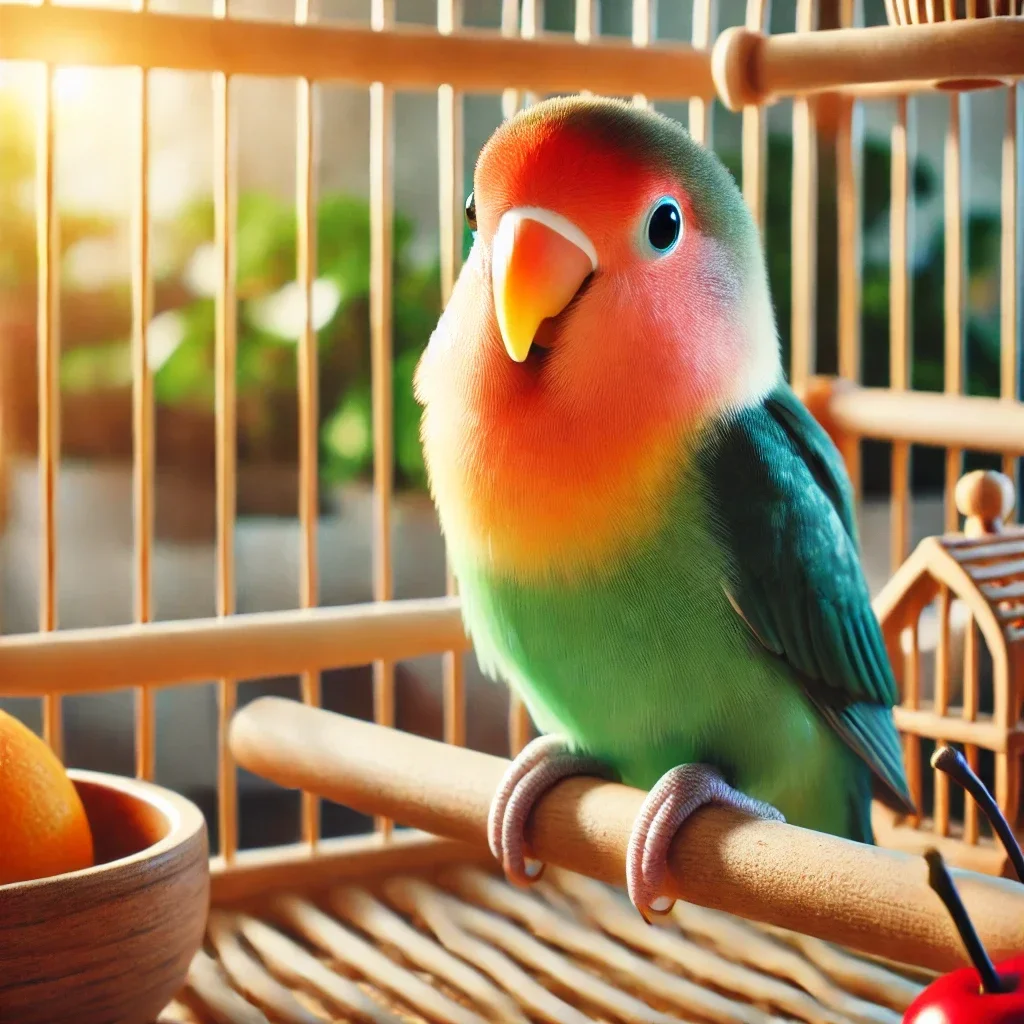
Small Colorful Cage Birds Guide
Choosing the right pet can be a delightful journey, especially when you explore the world of small colorful cage birds. These vivid feathered companions bring personality, song, and a splash of color to any home, while their modest size makes them suitable for apartments and smaller living spaces. In this guide, we’ll discuss the most popular species, essential care requirements, feeding strategies, health checks, and how to create a stimulating environment that encourages natural behaviors. Whether you’re a first‑time bird owner or adding a new member to an existing aviary, the information below will help you make informed decisions and provide the best possible quality of life for your avian friends.
Top Species for Beginners
Not all small colorful cage birds are created equal when it comes to temperament, care complexity, and longevity. Below are the five most commonly recommended species for newcomers, each known for striking plumage and manageable size.
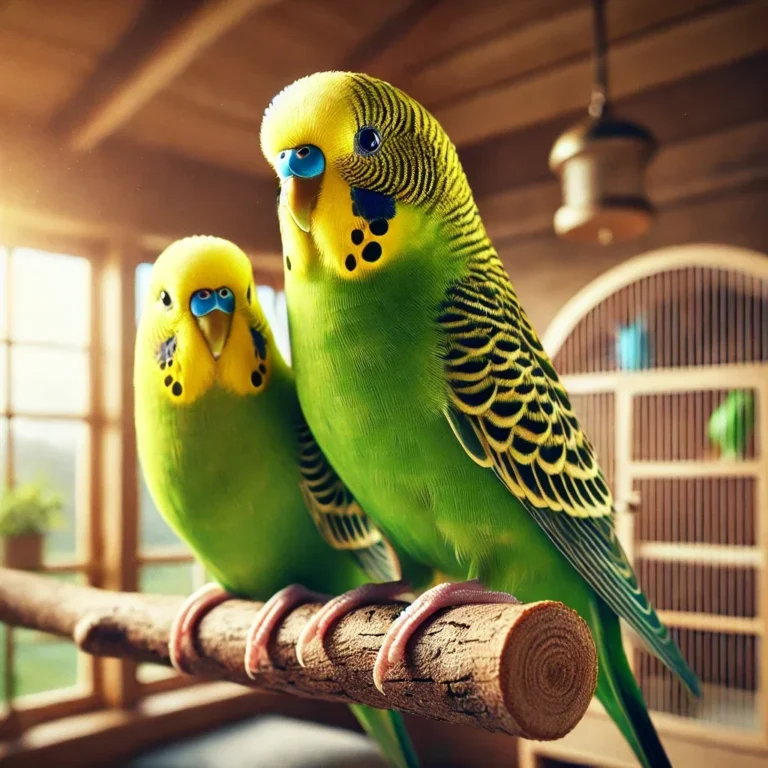
- Budgerigar (Budgie) – Native to Australia, budgies display a range of hues from sky blue to vibrant green. They are highly social, easy to train, and can live 7–10 years with proper care. Learn more about Budgerigars.
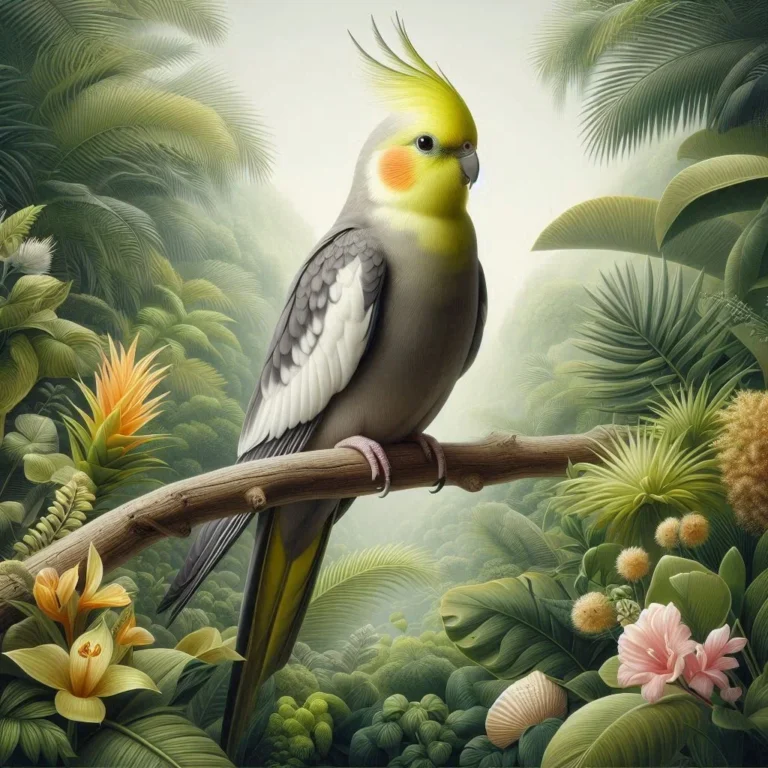
- Cockatiel – Recognizable by their crest and cheek patches, cockatiels come in colors like lutino, pied, and pearl. They are affectionate, enjoy human interaction, and typically reach 15–20 years.
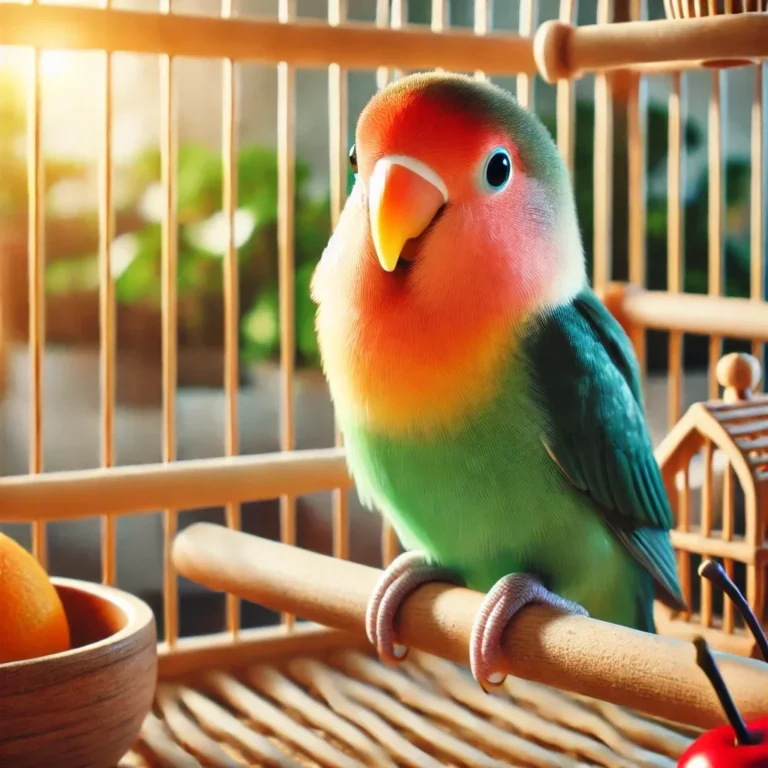
- Lovebird – True to their name, these tiny parrots form strong pair bonds. Their bright reds, greens, and blues create a striking display. Lifespan averages 10–15 years. Explore lovebird varieties.
- Parrotlet – Often called “mini‑parrots,” parrotlets are bold, curious, and come in colors like turquoise and yellow. They require mental enrichment to prevent boredom.
- Norman Parakeet (Ring‑necked Parakeet) – These medium‑sized birds showcase vivid emerald bodies with striking neck rings. They are talkative and can mimic words with regular interaction.
Setting Up the Ideal Cage
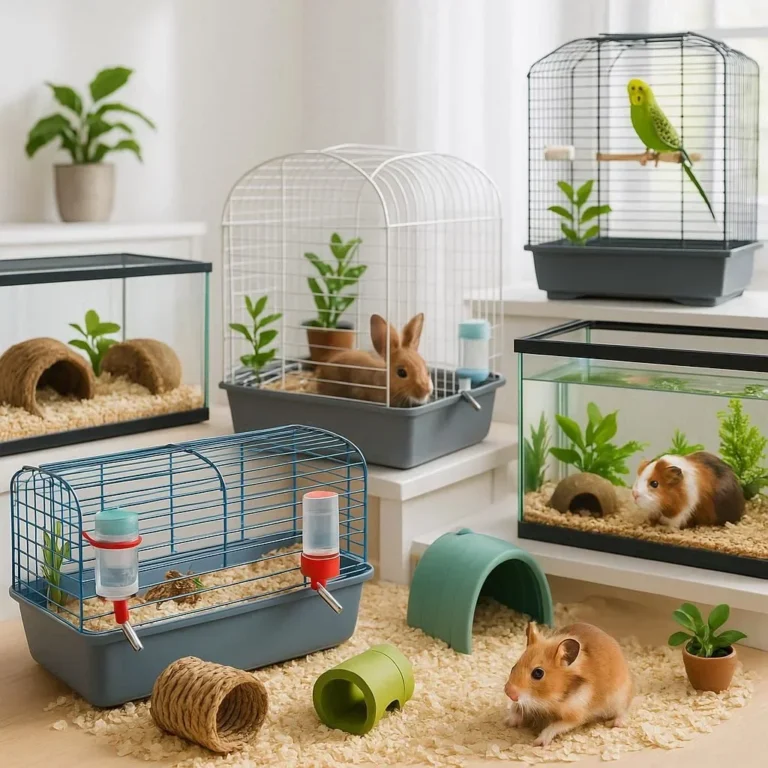
A well‑planned cage layout is the cornerstone of pet bird care. Aim for a space that allows free wing extension and includes enrichment items that mimic natural habitats.
- Size matters – For a single budgerigar, a minimum of 18×18×18 inches is recommended; larger species like cockatiels benefit from at least 24×24×30 inches. The longer the cage, the more room for flight.
- Bar spacing – Choose bars no wider than ½ inch to prevent escape, especially for smaller birds such as lovebirds.
- Materials – Powder‑coated metal or stainless steel cages resist rust and are safe for birds. Avoid cages with lead‑based paints.
- Perches – Offer a variety of diameters (natural wood branches are ideal) to promote foot health and prevent pressure sores.
- Toys and foraging – Rotate chewable toys, ropes, and puzzle feeders weekly to stimulate problem‑solving instincts.
Position the cage away from drafts, direct sunlight, and kitchen fumes. A quiet corner with occasional family interaction provides the social exposure birds crave without overwhelming them.
Nutrition and Feeding Tips
Balanced nutrition directly influences feather quality, energy levels, and overall cage bird health. While seed mixes are convenient, they lack essential nutrients if fed exclusively.
- Base diet – Offer a high‑quality pellet formulated for small parrots. Pellets ensure consistent intake of vitamins and minerals.
- Fresh produce – Incorporate daily servings of leafy greens (kale, spinach), carrots, bell peppers, and berries. Wash thoroughly to remove pesticides.
- Protein sources – Soft‑cooked eggs, cooked legumes, or a sprinkle of unsalted boiled beans provide amino acids crucial during breeding season.
- Hydration – Change water at least twice daily. Consider a shallow dish to prevent drowning.
For detailed nutritional guidelines, refer to the Audubon Society’s bird feeding resource. Avoid avocado, chocolate, caffeine, and high‑salt foods, as they are toxic to birds.
Health Monitoring and Veterinary Care
Small colorful cage birds can hide illness until symptoms become severe. Regular observation and routine check‑ups with an avian‑qualified veterinarian are essential.
- Daily checks – Look for fluffed feathers, lethargy, changes in droppings, or loss of appetite.
- Beak and nail health – Overgrown beaks or nails can impede eating and climbing. Provide appropriate perches and schedule trimming if needed.
- Respiratory signs – Sneezing, nasal discharge, or labored breathing may indicate infections; seek care promptly.
- Vaccinations – While most pet birds do not require routine vaccines, some regions recommend avian pox or paramyxovirus testing for breeding flocks. Consult local guidelines, such as those from the USDA APHIS.
Annual wellness exams allow veterinarians to conduct feather and blood analyses, catching metabolic issues early.
Enrichment and Behavioral Training
Intelligent species like budgerigars and cockatiels thrive on mental challenges. Enrichment reduces stress, prevents feather‑plucking, and strengthens the bond between bird and owner.
- Foraging games – Hide seeds inside paper rolls, coconut shells, or puzzle boxes.
- Target training – Use a stick to teach the bird to touch a target; this can later be expanded to step‑up commands.
- Social interaction – Allocate at least 30 minutes daily for gentle talking, whistling, or hand‑feeding treats.
- Environmental variety – Rearrange perches, add new safe branches, and rotate toys weekly.
Positive reinforcement, such as offering a favorite seed after a successful trick, encourages repeat behavior without causing fear. For a deeper dive into avian training techniques, check out the National Institutes of Health article on bird cognition (search “avian cognition training”).
Conclusion
Small colorful cage birds bring joy, companionship, and a splash of the exotic into everyday life. By selecting a suitable species, providing a spacious and enriched cage, offering a balanced diet, and maintaining vigilant health checks, you set the stage for a thriving, vibrant pet that will delight you for years to come. Ready to welcome a feathered friend into your home? Explore reputable breeders or rescue organizations today and give a small colorful cage bird the loving environment it deserves.
Frequently Asked Questions
Q1. What is the ideal cage size for a budgerigar?
A cage measuring at least 18×18×18 inches allows a budgerigar to fully stretch its wings and move comfortably. Larger cages provide more flight space and reduce stress. Ensure the bars are no more than ½ inch apart to prevent escapes.
Q2. Can small colorful cage birds eat fresh fruits and vegetables?
Yes, daily portions of leafy greens, carrots, bell peppers, and berries are essential for a balanced diet. Always wash produce to remove pesticides and remove any pits or toxic parts. Fresh foods should complement a high‑quality pellet diet.
Q3. How often should I change my bird’s water?
Water should be changed at least twice a day to keep it fresh and prevent bacterial growth. In hot climates or if the bird drinks heavily, more frequent changes are advisable. Use a shallow dish to minimize the risk of drowning.
Q4. What are signs of illness in a small cage bird?
Watch for fluffed feathers, lethargy, loss of appetite, abnormal droppings, or respiratory sounds like sneezing. Changes in vocalization or a drooping stance can also indicate health issues. Prompt veterinary care is crucial if any of these signs appear.
Q5. How can I prevent my bird from feather‑plucking?
Provide ample mental enrichment such as foraging toys, puzzle feeders, and regular interaction. Rotate toys weekly and ensure the cage offers varied perches and safe branches. A balanced diet and routine health checks also reduce stress‑related plucking.