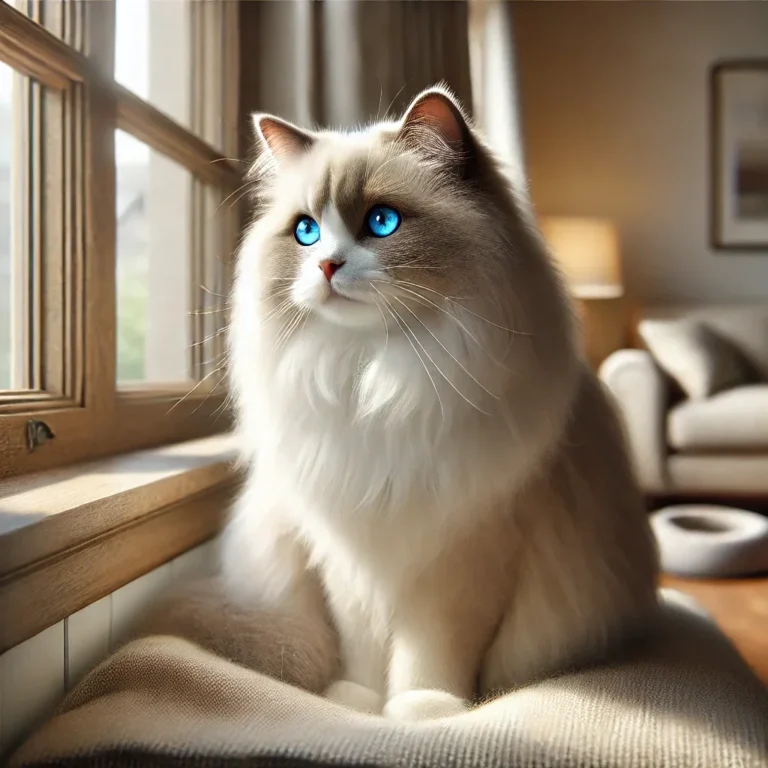
Small Cat Breeds for Apartments
Living in a compact city apartment doesn’t mean you have to give up the joys of cat companionship. The right small cat breeds for apartments combine playful personalities with a modest size, making them ideal for limited space, noise‑sensitive neighbors, and busy urban lifestyles. In this guide we’ll explore why diminutive felines thrive in tight quarters, highlight the most apartment‑friendly options, and share practical tips to keep your petite panther happy and healthy. By focusing on breeds that are naturally low‑maintenance and quiet, you can create a harmonious home that respects both your schedule and your landlord’s rules.
Why Small Cat Breeds for Apartments Thrive
Space is a premium in most city dwellings, and smaller cats require less floor area for play and rest. Their compact frames mean they can comfortably use standard cat trees, window perches, and even a sunny laundry basket as a throne. Moreover, many small breeds are less likely to jump on high shelves or scramble up curtains, reducing the risk of accidental damage. Their reduced size also translates into lower food consumption, which can be a budget‑friendly bonus. Importantly, many of these cats possess a naturally calm demeanor, making them excellent companions for owners who work long hours or live in buildings with strict noise policies.
Top Small Cat Breeds for Apartments
Below is a curated selection of the most popular and well‑studied feline candidates that excel in apartment living. Each breed is linked to reputable sources for further reading.
- Singapura – Recognized as one of the smallest cat breeds, the Singapura weighs 4‑8 lb and boasts a silky, short coat. Their affectionate nature and moderate activity level make them perfect for indoor environments. Singapura Wikipedia
- Munchkin – Famous for its short legs, the Munchkin stays low to the ground, reducing the risk of leaping onto high surfaces. Despite their stature, they are playful, curious, and adapt quickly to cozy spaces. Munchkin Wikipedia
- Cornish Rex – This breed’s curly, feather‑light coat requires minimal grooming, and its slender body fits easily into tight spots. They are energetic yet content to curl up in a lap for hours. Cornish Rex Wikipedia
- Devon Rex – Similar to the Cornish Rex but with larger ears, the Devon Rex is known for its playful antics and low‑shedding coat, ideal for allergy‑sensitive owners. Devon Rex Wikipedia
- Burmese – Though slightly larger (6‑10 lb), the Burmese is a compact, muscular cat that loves human interaction. Their quiet purrs and steady temperament make them excellent apartment companions. Burmese Wikipedia
Choosing Small Cat Breeds for Apartments
When selecting a feline roommate, consider more than just size. Look for traits that align with apartment living, such as a quiet voice, low prey drive, and a preference for indoor play. Evaluate the breed’s health history—some miniature breeds carry genetic concerns that may require extra veterinary attention. If you have children or other pets, research socialization tendencies; many small breeds are adaptable, but early exposure helps prevent territorial disputes. Reputable breeders and shelters often provide temperament assessments, so ask for documentation before making a commitment.
Caring for Small Cat Breeds for Apartments
Even the most low‑maintenance cat needs daily enrichment to prevent boredom and stress. Provide a variety of toys, scratching posts, and vertical climbing opportunities within a limited footprint. Regular grooming—particularly for curly‑coated breeds like the Cornish and Devon Rex—keeps their coat healthy and reduces hairball formation. Nutrition should be tailored to a smaller metabolism; high‑quality, grain‑free kibble in appropriate portion sizes supports a lean physique. Routine veterinary check‑ups, including vaccinations and dental cleanings, are essential for long‑term wellbeing. For evidence‑based pet health guidelines, consult resources such as the CDC’s pet health page.
Health Considerations for Small Apartment Cats
Compact cats can be prone to specific health issues, including hypoglycemia in very small kittens and spinal problems in breeds with short legs, like the Munchkin. Maintaining a stable indoor temperature, providing soft bedding, and limiting high‑impact jumping can mitigate joint stress. Regular weight monitoring is crucial; obesity can quickly develop in indoor cats due to reduced activity levels. Consider incorporating short, interactive play sessions multiple times a day to promote cardiovascular health. For further reading on feline health standards, explore the ASPCA’s cat health guide and the University of Wisconsin Veterinary Medicine courses.
Conclusion
Choosing the right small cat breeds for apartments can transform a modest living space into a haven of companionship and joy. By prioritizing breeds known for their quiet demeanors, modest energy needs, and adaptability, you’ll enjoy a harmonious coexistence that respects both your lifestyle and your landlord’s policies. Ready to welcome a petite purr‑machine into your home? Explore local shelters or reputable breeders today and give a deserving cat a loving apartment life.
Frequently Asked Questions
Q1. What makes small cat breeds suitable for apartment living?
Small breeds need less space to roam and often have quieter temperaments, which reduces noise complaints. Their compact size fits easily on cat trees, windowsills, and even small furniture. They also tend to eat less, making them more budget‑friendly for city dwellers.
Q2. Are there health concerns specific to tiny cat breeds?
Yes, some miniature breeds like the Munchkin can have spinal issues, and very small kittens may experience hypoglycemia. Regular veterinary check‑ups and a balanced diet help mitigate these risks. Providing soft bedding and limiting high‑impact jumps also protects their joints.
Q3. How much exercise does a small apartment cat need?
Even compact cats require daily mental and physical stimulation. Short, interactive play sessions 2–3 times a day with toys or laser pointers keep them fit. Vertical spaces such as wall‑mounted shelves add variety without taking up floor area.
Q4. Can small cat breeds live happily with other pets?
Most small breeds adapt well to other animals if introduced gradually. Their gentle nature makes them good companions for other cats and even small dogs. Always monitor initial interactions and provide separate resources to avoid competition.
Q5. What grooming routine is best for curly‑coated cats like the Cornish Rex?
Curly coats need gentle brushing once or twice a week to remove loose hair and prevent matting. Because they shed minimally, frequent bathing isn’t necessary, but a monthly bath keeps their fur soft. Regular nail trims and ear checks complete their care.