Short Haired Cat Breeds Guide
When it comes to feline companions, short haired cat breeds often top the list for families seeking low‑maintenance, affectionate pets. Their sleek coats shed less than long‑haired cousins, making them a popular choice for owners who prefer minimal grooming while still enjoying a cat’s playful spirit. In this comprehensive guide we explore the most beloved short haired cat breeds, their distinct temperaments, grooming needs, health considerations, and how to select the perfect match for your household. Understanding these factors helps you provide a happy, healthy home for a low‑shedding cat that fits your lifestyle.
Popular Short Haired Cat Breeds
Among short haired cat breeds, a few stand out for their striking looks, friendly personalities, and adaptability to indoor environments. Below is a curated list of the most recognized breeds, each linked to reputable sources for deeper research.
- British Shorthair – Known for its dense, plush coat and round eyes, this breed is calm, loyal, and excellent for families with children.
- American Shorthair – A versatile hunter with a sturdy build, praised for its gentle temperament and adaptability to apartment living.
- Burmese – Recognized for its silky coat and sociable nature; they thrive on human interaction and love to follow their owners around.
- Devon Rex – Featuring large ears and a soft, wavy coat, this breed is energetic, curious, and often described as “dog‑like” in its loyalty.
- Siamese – Famous for striking blue almond eyes and vocal personality, Siamese cats are affectionate and highly intelligent.
Temperament Traits of Short Haired Cat Breeds
Short haired cat breeds share several temperament traits that make them excellent indoor companions. Most are known for being low‑maintenance in terms of grooming, yet they differ in activity level and social needs. For instance, the British Shorthair tends toward a laid‑back, “couch potato” demeanor, while the Devon Rex is constantly on the move, leaping onto shelves and demanding interactive play. Siamese cats are vocal and enjoy problem‑solving games, whereas the American Shorthair exhibits a balanced mix of independence and affection. Understanding these nuances helps you match a cat’s personality with your home environment and daily routine.
Grooming and Care for Short Haired Cat Breeds
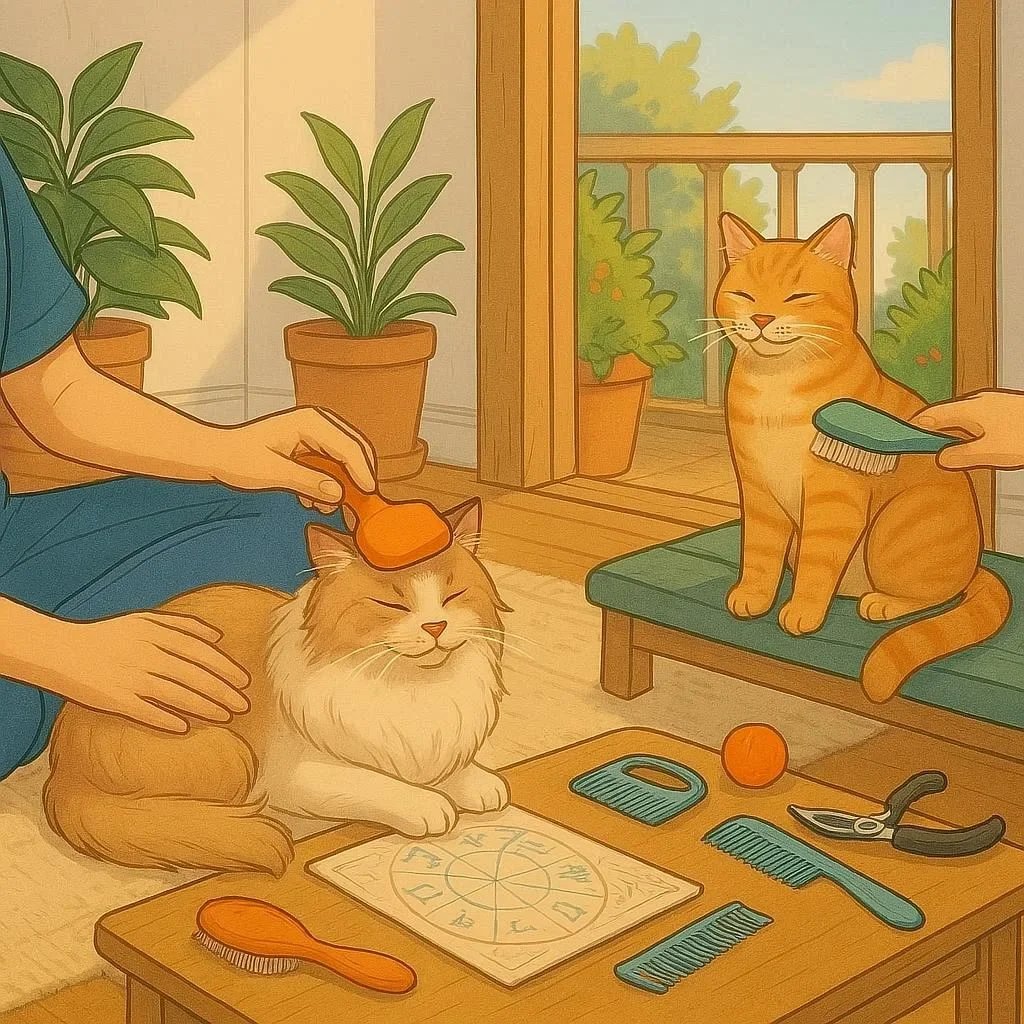
One of the main attractions of short haired cat breeds is their minimal grooming requirements. However, regular care still promotes a healthy coat and reduces shedding around the house. Follow these grooming tips to keep your cat looking sleek:
- Brush your cat weekly with a soft bristle brush to remove loose hair and distribute natural oils.
- Trim nails every 3–4 weeks to prevent overgrowth and reduce the risk of scratching furniture.
- Check ears for wax buildup and clean gently with a vet‑recommended solution.
- Provide dental treats or brush teeth monthly to support oral health.
- Schedule annual veterinary check‑ups, including vaccinations and parasite prevention.
Even breeds like the Burmese, which have a fine coat, benefit from regular brushing to minimize the occasional hairball and maintain a glossy appearance.
Health and Lifespan Considerations
Overall, short haired cat breeds enjoy robust health and relatively long lifespans, often ranging from 12 to 15 years with proper care. Yet each breed carries specific genetic predispositions. British Shorthairs may develop hypertrophic cardiomyopathy, while Siamese cats are prone to respiratory issues and dental disease. Regular veterinary screenings are essential to catch early signs of illness. Nutrition plays a critical role: a balanced diet rich in protein and omega‑3 fatty acids supports coat health and joint function, especially for active breeds like the Devon Rex.
For authoritative information on feline health, consult the CDC’s pet health resources and the ASPCA’s cat care guide.
Choosing the Right Short Haired Cat Breed for Your Home
Selecting the ideal short haired cat breed involves evaluating your living space, activity level, and any allergy concerns. If you need a cat with a modest shedding profile and a calm demeanor, the British Shorthair or American Shorthair are solid choices. For households that enjoy interactive play and can devote time to mental stimulation, the Devon Rex or Siamese may be a better fit. Consider the following decision factors:
- Space: Larger breeds like the American Shorthair thrive in roomy apartments, while compact breeds such as the Burmese do well in smaller studios.
- Allergy Sensitivity: While no cat is completely hypoallergenic, short haired breeds generally produce fewer allergens than long‑haired cats.
- Time Commitment: Active breeds require daily play sessions and puzzle toys to prevent boredom.
- Family Dynamics: Children benefit from gentle, patient cats like the British Shorthair, whereas older teens may appreciate the lively nature of the Devon Rex.
By aligning these factors with the breed characteristics discussed earlier, you can ensure a harmonious match that enriches both your life and the cat’s well‑being.
Ready to welcome a short haired cat breed into your family? Browse reputable shelters or reputable breeders, and give your future feline friend the loving home it deserves. Start your journey today and experience the joy of a low‑shedding, affectionate companion!
Frequently Asked Questions
Q1. What defines a short haired cat breed?
Short haired cat breeds are characterized by a sleek, close‑lying coat that requires minimal grooming. They typically shed less than long‑haired cats and have a sturdy, muscular build. These breeds are popular for families seeking low‑maintenance companions.
Q2. Are short haired cats hypoallergenic?
No cat is completely hypoallergenic, but short haired cats usually produce fewer allergens than long‑haired varieties. Regular grooming and cleaning can further reduce allergen levels in the home. People with mild sensitivities often tolerate breeds like the British Shorthair.
Q3. How often should I groom a short haired cat?
Even though they shed less, a weekly brush with a soft‑bristle brush helps remove loose fur and distributes natural oils. Nail trimming every 3‑4 weeks and ear checks are also recommended. Consistent care keeps the coat glossy and reduces hairballs.
Q4. What health issues are common in short haired breeds?
Each breed has its own genetic predispositions; for example, British Shorthairs may develop hypertrophic cardiomyopathy, while Siamese cats are prone to respiratory problems and dental disease. Regular veterinary exams and a balanced diet can help catch issues early. Preventive care is key to a long, healthy life.
Q5. Which short haired cat is best for families with children?
The British Shorthair and American Shorthair are known for their calm, patient temperaments and tolerate active kids well. They are sturdy enough to handle playful handling and are less likely to become stressed. Always supervise interactions, but these breeds make excellent family pets.