Shedding Control Tips for Cats
Shedding is a natural process for cats, but when it becomes excessive, it can be a source of frustration for owners. Understanding the causes and implementing practical solutions can help you manage hair loss and maintain a cleaner living environment. This guide offers evidence‑based tips to reduce shedding in shedding‑prone cats, covering grooming, nutrition, and environmental factors.
Why Cats Shed and When It Becomes a Problem
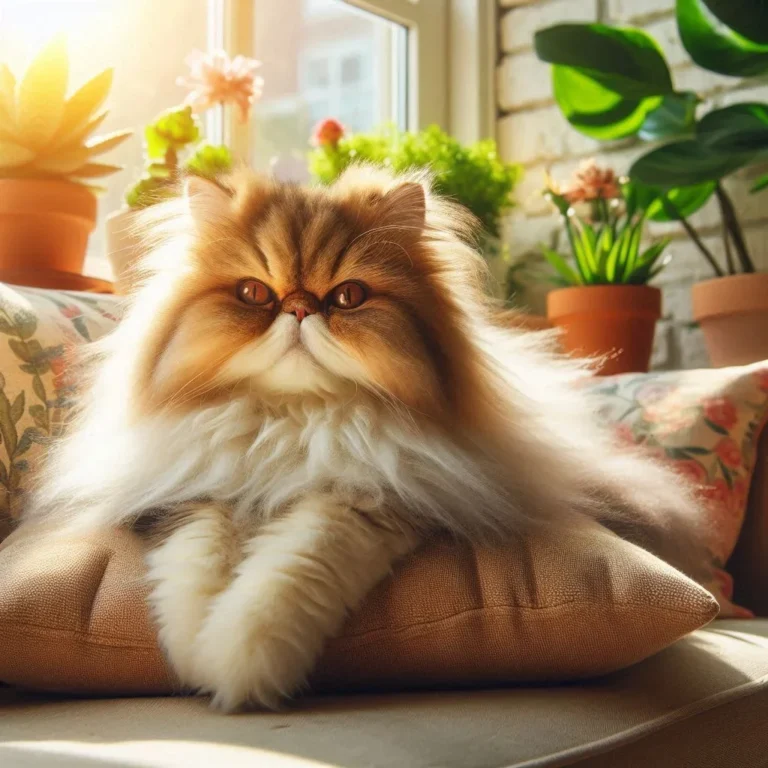
All cats shed to replace old or damaged fur, but the amount of shedding varies by breed, age, and health. Certain breeds such as Maine Coons, Persian, and Ragdolls are naturally heavy shedders, while others like the Sphynx have minimal fur. Excessive shedding can signal underlying health issues such as allergies, hormonal imbalances, or parasites. If you notice sudden spikes in hair loss, a change in coat texture, or skin irritation, a veterinary check‑up is recommended. The American Society for the Prevention of Cruelty to Animals (ASPCA) notes that regular veterinary visits can catch conditions that contribute to abnormal shedding early.
Daily Grooming Habits That Minimize Hair Loss
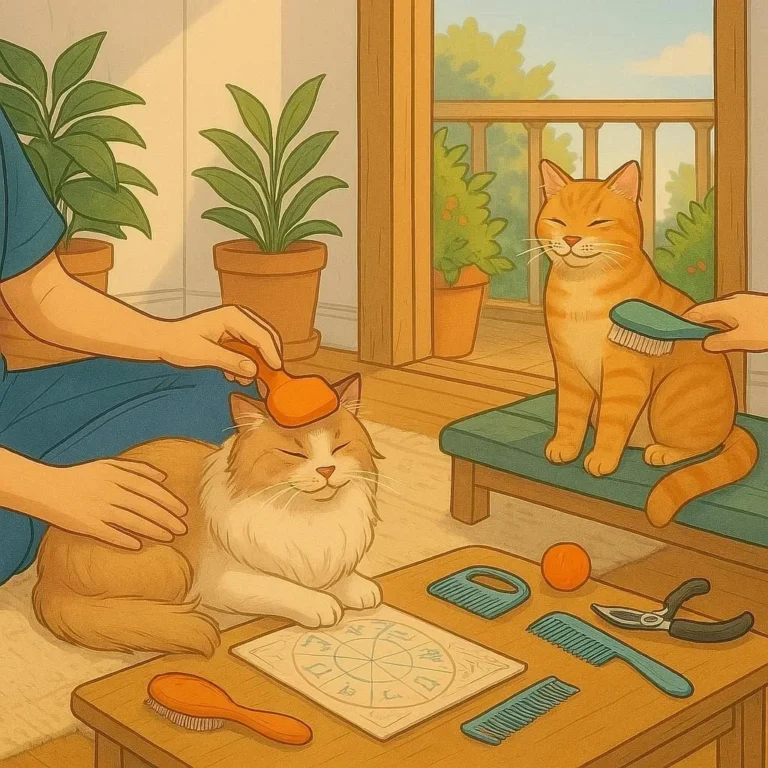
Regular brushing removes loose hair before it reaches the floor. For long‑haired cats, a slicker brush or a rubber grooming glove works well. Short‑haired cats benefit from a soft bristle brush or a grooming mitt. Aim to brush at least three times a week, increasing frequency during seasonal shedding periods. Consistent grooming also stimulates the skin’s natural oils, improving coat health and reducing breakage.
- Use the right brush: Slicker brushes for long fur, rubber gloves for short fur.
- Brush gently: Avoid pulling; use smooth strokes to prevent skin irritation.
- Incorporate treats: Positive reinforcement encourages cooperation.
- Check for mats: Remove tangles carefully to avoid pulling on the skin.
Professional grooming every 4–6 weeks can also help manage shedding, especially for breeds prone to heavy hair loss. A groomer can safely trim loose hair and remove mats that regular brushing may miss.
Nutrition: Feeding a Diet That Supports a Healthy Coat
Diet plays a pivotal role in coat quality. Omega‑3 and Omega‑6 fatty acids, found in fish oil and flaxseed, help maintain skin moisture and reduce shedding. A balanced diet rich in protein supports hair follicle health. The Mayo Clinic highlights that a diet with adequate essential fatty acids can improve coat condition and reduce hair loss.
Consider the following nutritional strategies:
- Choose high‑quality commercial cat food: Look for products that list real meat as the first ingredient.
- Supplement with fish oil: 1–2 teaspoons per day for medium‑sized cats.
- Include antioxidants: Vitamins A, C, and E support skin health.
- Hydration matters: Provide fresh water and wet food to maintain skin moisture.
Consult your veterinarian before adding supplements, especially if your cat has kidney or liver issues.
Environmental Enrichment to Reduce Stress‑Related Shedding
Stress can trigger increased shedding in cats. Providing a stimulating environment with vertical spaces, interactive toys, and regular play sessions helps keep anxiety at bay. The Cornell University College of Veterinary Medicine notes that environmental enrichment reduces stress hormones, which in turn can lower hair loss.
Implement these enrichment tactics:
- Vertical perches: Cats enjoy high observation points.
- Interactive toys: Laser pointers, feather wands, and puzzle feeders.
- Regular playtime: 10–15 minutes twice daily.
- Safe hiding spots: Provide boxes or covered beds.
Maintaining a consistent routine also helps reduce stress. Cats thrive on predictability, so feeding, play, and grooming at the same times each day can create a calm environment.
When to Seek Veterinary Care for Shedding Issues
While shedding is normal, certain signs warrant a professional evaluation. Look for:
- Patchy bald spots or thinning fur.
- Red, itchy, or inflamed skin.
- Visible parasites such as fleas or mites.
- Changes in appetite or weight.
- Unusual odor or discharge from the skin.
Veterinary resources such as the USDA Extension provide guidance on diagnosing and treating skin conditions that cause excessive shedding. Early intervention can prevent more serious health problems.
Conclusion: Take Control of Your Cat’s Shedding Today
By combining regular grooming, a balanced diet, and a stress‑free environment, you can significantly reduce shedding in shedding‑prone cats. These practical steps not only keep your home cleaner but also promote your cat’s overall well‑being. Start implementing these tips today and enjoy a healthier, happier feline companion.
Ready to reduce shedding? Adopt these strategies now and see the difference in your cat’s coat and your living space.
Frequently Asked Questions
Q1. How often should I brush my cat to control shedding?
For short‑haired cats, brushing 2–3 times a week is sufficient. Long‑haired breeds benefit from daily brushing, especially during seasonal shedding periods.
Q2. Can a change in diet reduce my cat’s shedding?
Yes. A diet rich in omega‑3 and omega‑6 fatty acids, along with adequate protein, supports a healthy coat and can reduce hair loss.
Q3. Is shedding a sign of illness in cats?
Sudden or patchy shedding can indicate allergies, hormonal issues, or parasites. If you notice these symptoms, consult a veterinarian for a thorough examination.
Q4. What environmental changes help minimize stress‑related shedding?
Providing vertical spaces, interactive toys, and a consistent routine helps reduce stress, which in turn can lower shedding.
Q5. Should I use supplements to improve my cat’s coat?
Fish oil or flaxseed supplements can be beneficial, but always discuss with your vet before adding them to your cat’s diet.