Sensory Play Area Guide
Sensory play area design can transform the everyday life of your small pet, offering stimulation, enrichment, and comfort while reducing stress and boredom. By carefully curating textures, colors, and scents, you create an environment that encourages natural exploration and satisfies instinctual behaviors. This guide outlines the key steps—planning the space, selecting safe materials, layering sensory elements, and setting up interactive play—all tailored for small pet owners seeking to boost their companion’s well‑being.
Sensory Play Area Basics
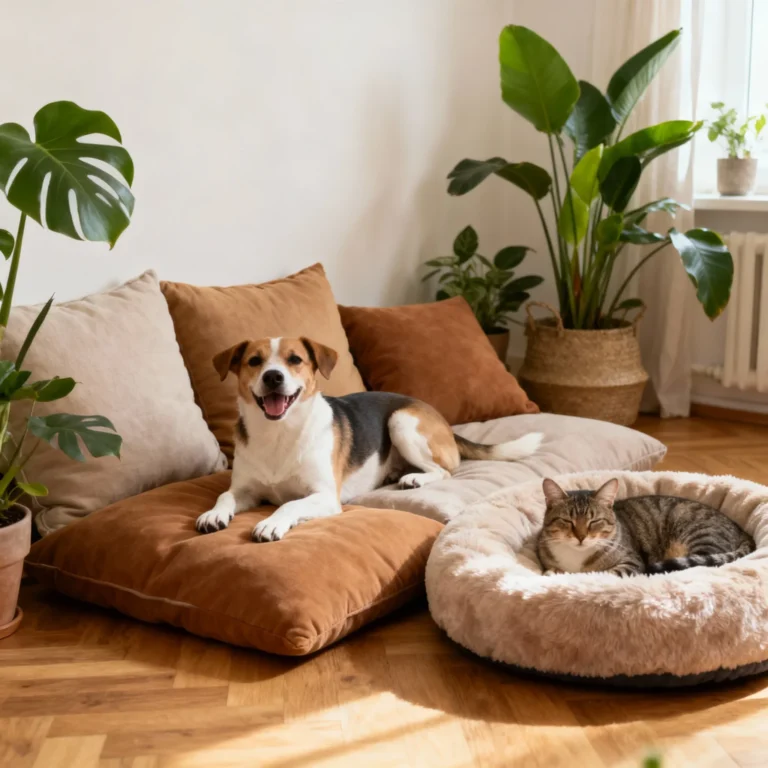
To begin, assess the room or enclosure size. A 4‑by‑6‑foot area typically provides enough space for running, climbing, and hiding spots without overcrowding. Position the play area in a quiet corner that still receives moderate natural light—pets thrive on a balance between shade and sun. Keep the floor clean and unobstructed, and choose a non‑slip mat or rug to protect paws and fur.
Next, identify the sensory categories most appealing to your pet: tactile, olfactory, auditory, and visual. Cats, for instance, enjoy textures like sisal, straw, or faux fur, while hamsters may prefer soft bedding and small tunnels. Incorporating varied textures promotes physical activity and can reduce anxiety. Use a mix of rough, soft, and crinkly materials to engage your pet’s nose, whiskers, and paws.
Integrate safe, pet‑friendly scents from the start. Aromatic herbs such as rosemary or lavender, used sparingly, can calm or invigorate depending on their fragrance profile. Avoid essential oils directly applied to bedding; some oils are toxic to small pets. Instead, place scent‑infused toys or lightly dusted fabric sachets that can be safely retrieved or discarded safely.
Choosing Safe Materials
When selecting materials, safety should be your top priority. Refrain from synthetic fibers that can fray or produce micro‑plastic particles. Look for non‑toxic, natural fabrics listed on reputable manufacturers’ safety data sheets. Certified products from organizations like AVMA are an excellent start.
Wooden structures—wood planks, ramps, and platforms—must be sanded smooth to avoid nicks and splinters. Use untreated, food‑grade pine or cedar, which also offer natural antimicrobial properties. Avoid softwoods like pine with high resin content; these can irritate sensitive skin. When sanding, collect dust to prevent inhalation by both you and your pet.
Natural bedding—such as shredded paper, oat husk, or hemp—provides excellent absorption and is often hypoallergenic. These materials are lightweight, biodegradable, and simple to change, ensuring your pet stays hygienic. For small reptiles, use a substrate that maintains appropriate humidity, like coconut coir or reptile‑grade paper, sourced from certified WHO recommended suppliers.
Sensory Play Area Materials
The following list offers versatile material options that cater to a range of sensory preferences while ensuring safety and durability:
- Sisal Rope: Strong, non‑slipping texture perfect for climbing or shredding.
- Oat Husk: Absorbent bedding that keeps the space dry.
- Shredded Paper: Compostable, low‑dust, ideal for masking scent cues.
- Faux Fur: Soft, chew‑resistant material engaging for gentle pets.
- Wooden Blocks: Smoothly sanded, natural feel, great for building structures.
- Herbal Sachets: Lightly scented lavender or rosemary, providing calming aromas.
Store all materials in clean, dry containers to prevent contamination. Check for any loose threads or small parts that could pose a choking hazard, especially for hamsters or gerbils. Regular inspection keeps your play area both safe and stimulating over time.
Sensory Play Area Enrichment
Enrichment involves presenting challenges that satisfy your pet’s innate needs—hunting, hiding, and problem‑solving. For cats, rotating toys—such as feather wands or teaser sticks—keeps the environment unpredictable and mentally engaging. Interlacing these with texture panels encourages licking, scratching, and pouncing.
Rabbits appreciate burrow‑like tunnels, often made from corrugated cardboard or plastic tubes. When placing tunnel entrances, orient them slightly toward bright spots, drawing the rabbit’s curiosity and encouraging exploration. Provide hiding boxes, such as decorative shoeboxes or small wooden huts, lined with soft, absorbent material for safety and comfort.
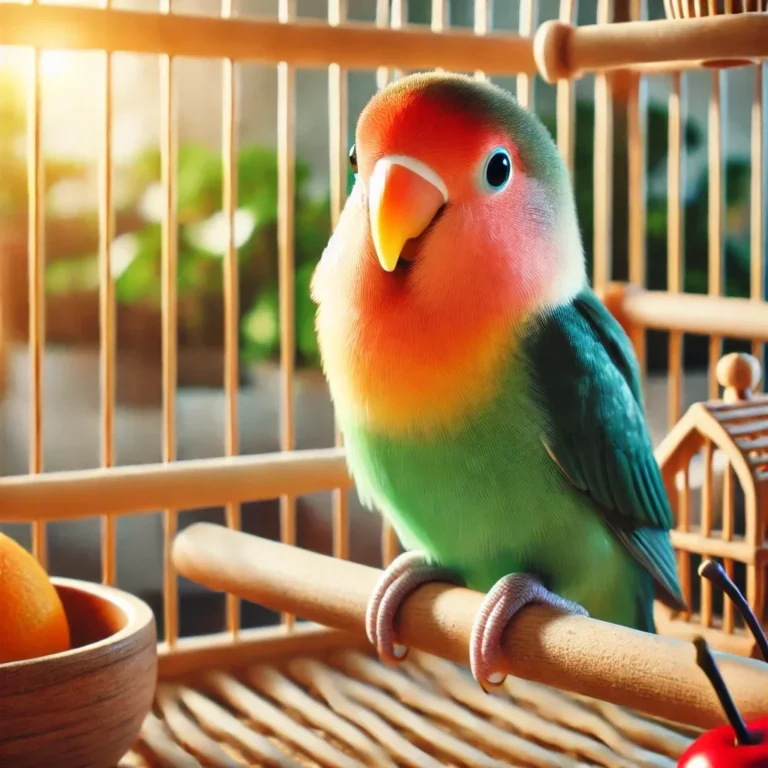
Small birds benefit from perches of varied diameters, combined with hanging toys made of untreated natural fibers. For finches and canaries, a balance of large and fine perches minimizes foot fatigue. Add a feeder station with a shallow dish of seed or millet, ensuring the bird cannot spill the contents into the bedding.
Sensory Play Area Interactivity
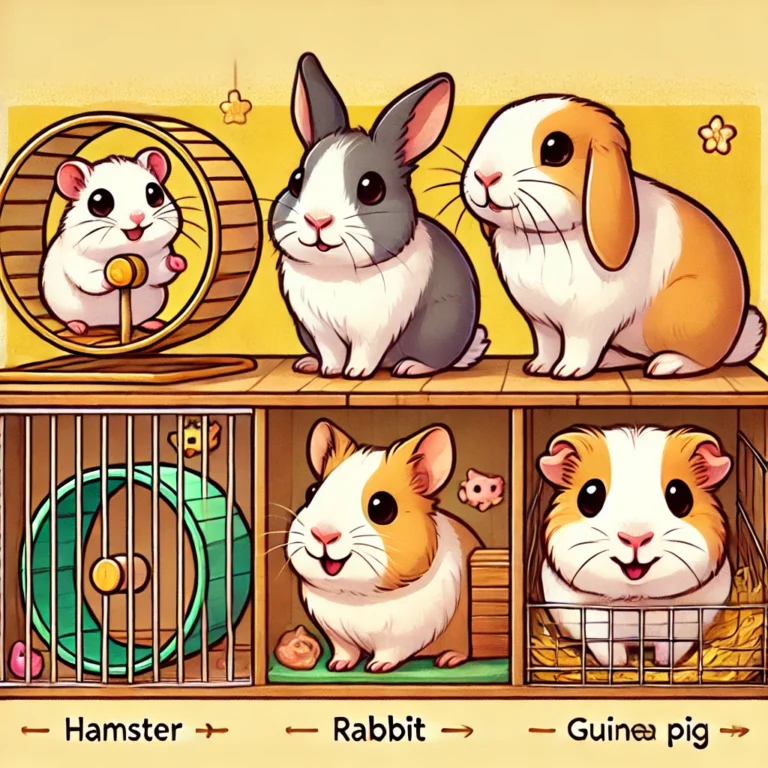
Interactive items add complexity and play value. Puzzle feeders—such as treat‑dispensing balls—stimulate problem‑solving and reward behavior. For hamsters and mice, incorporate nesting boxes scattered with shredded paper and small hiding tunnels to encourage natural foraging.
For guinea pigs, a maze made of small plastic blocks can help build spatial awareness. Make sure the exit points are clearly defined, and intersperse fresh vegetable strips to entice exploration. Similarly, small rabbits can enjoy a “cheese” puzzle, where they must slide a toy to reveal a treat.
Maintain a rotation schedule for toys to prevent routine fatigue. After each play session, clean items according to the pet type—rubbers and fabrics with mild soap, wooden pieces with a dry brush. Replace any damaged components immediately to avoid accidents.
Cleaning & Maintenance
A tidy sensory play area promotes health. Remove debris daily, using a handheld vacuum or soft brush to collect shredded materials. For bedding, replace it every 48–72 hours to maintain odor control and moisture balance.
Sanitize surfaces with pet‑safe disinfectants; a solution of one part white vinegar to ten parts water is effective and non‑toxic. Wipe down wooden structures monthly to prevent mold growth. For small reptiles, use a reptile‑specific cleaner formulated to preserve humidity without drying the substrate.
Keep a log of cleaning dates and any signs of wear. A simple maintenance calendar can alert you to when replacement is needed, avoiding sudden hazards during play. This routine ensures that both the environment and your pet’s health are upheld consistently.
Conclusion
Crafting a well‑designed sensory play area delivers lasting benefits—reducing stress, encouraging exercise, and fostering natural play habits. By selecting safe, tactile-friendly materials and layering engaging textures, scents, and interactive toys, you create a stimulating habitat tailored to your small pet’s unique needs. Take the first step today: gather a few essential elements, set up the space, and watch your companion thrive.
Ready to transform your pet’s routine? Start building a sensory play area now and enjoy the playful moments that follow. Click below for more expert tips and inspiration.
Frequently Asked Questions
Q1. What types of materials are safest for a small pet’s sensory play area?
Opt for untreated, food‑grade wood, natural fibers such as sisal, hemp, and shredded paper, and odor‑neutral bedding. Avoid synthetic plastics or materials containing toxic dyes that could leach harmful chemicals into the environment.
Q2. How often should I clean my pet’s sensory play area?
Daily removal of debris followed by a thorough cleaning every 48–72 hours is recommended. This prevents odor build‑up, maintains hygiene, and reduces the risk of fungal or bacterial growth.
Q3. Can I use essential oils in an enrichment space?
Only use essential oils indirectly—such as in a lightly scented sachet or by diffusion on a towel. Apply them sparingly and avoid direct contact with bedding or surfaces that your pet can chew or bat at.
Q4. My rabbit scratches the wooden panels—should I replace them?
Occasional scratching is natural, but if the wood shows splintering or chipping that could injure your rabbit, replace the panels promptly to ensure a safe environment.
Q5. How can I keep the play area engaging over time?
Rotate toys, alter the layout, and introduce new textures or small puzzle challenges regularly. This variety prevents boredom and keeps your pet mentally stimulated.