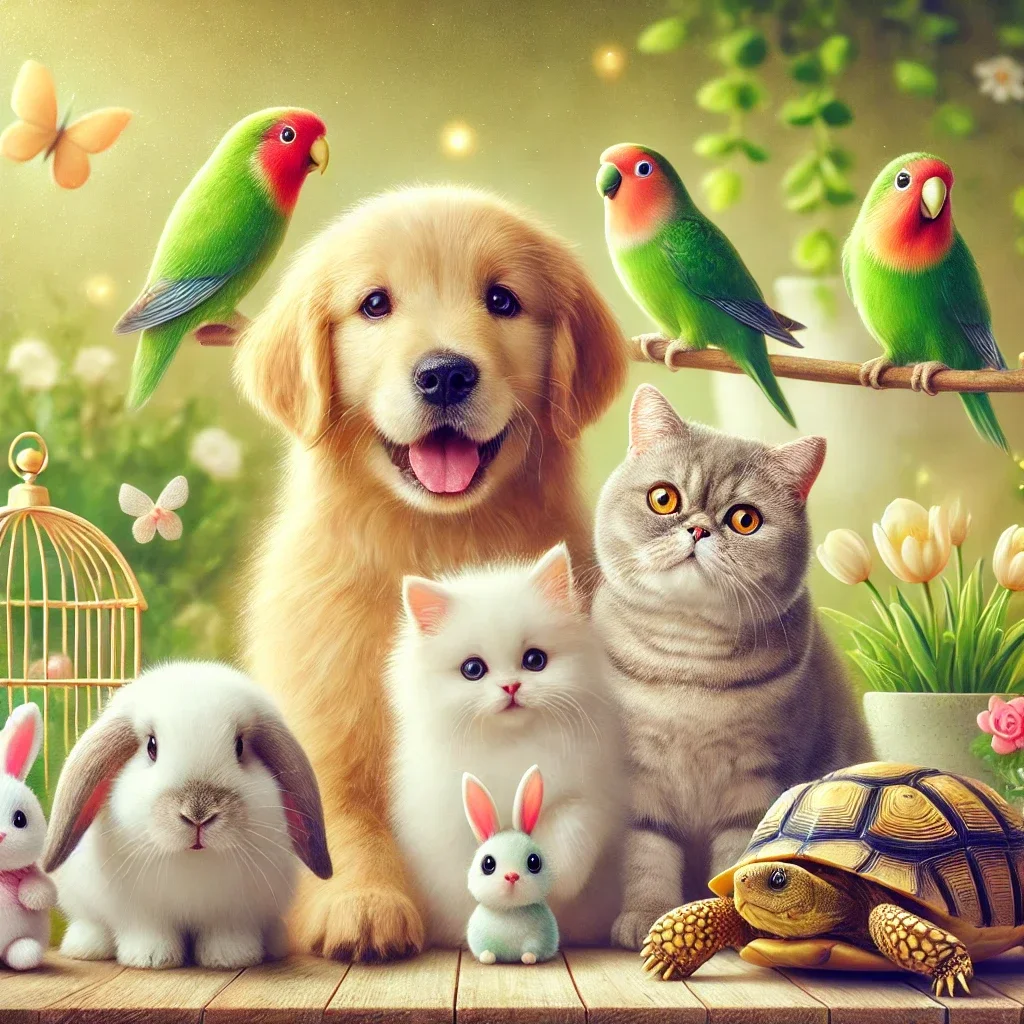
Scottish Fold Cat Breed
The Scottish Fold cat breed captivates cat lovers worldwide with its signature folded ears and sweet disposition. Originating from a spontaneous mutation in a farmyard cat in Scotland during the 1960s, this breed quickly became a favorite for its unique appearance and affectionate nature. In this comprehensive guide, we explore the breed’s history, temperament, health considerations, grooming tips, and ideal living environment, empowering prospective owners to make informed decisions. Whether you are drawn to the breed’s charming look or its gentle personality, understanding the Scottish Fold cat breed’s needs is essential for a happy, healthy feline companion.
History and Origin of the Scottish Fold
The Scottish Fold cat breed traces its roots to a single barn cat named Susannah, who displayed an unusual ear shape caused by a natural genetic mutation. Discovered in 1961 near Coupar Angus, Scotland, Susannah’s offspring inherited the distinctive forward‑folded ears, a trait that quickly attracted attention from breeders. The breed was formally recognized by major cat registries in the 1970s, and today it enjoys global popularity. For a detailed historical timeline, see the Wikipedia entry on Scottish Fold.
Physical Characteristics and Folded Ears
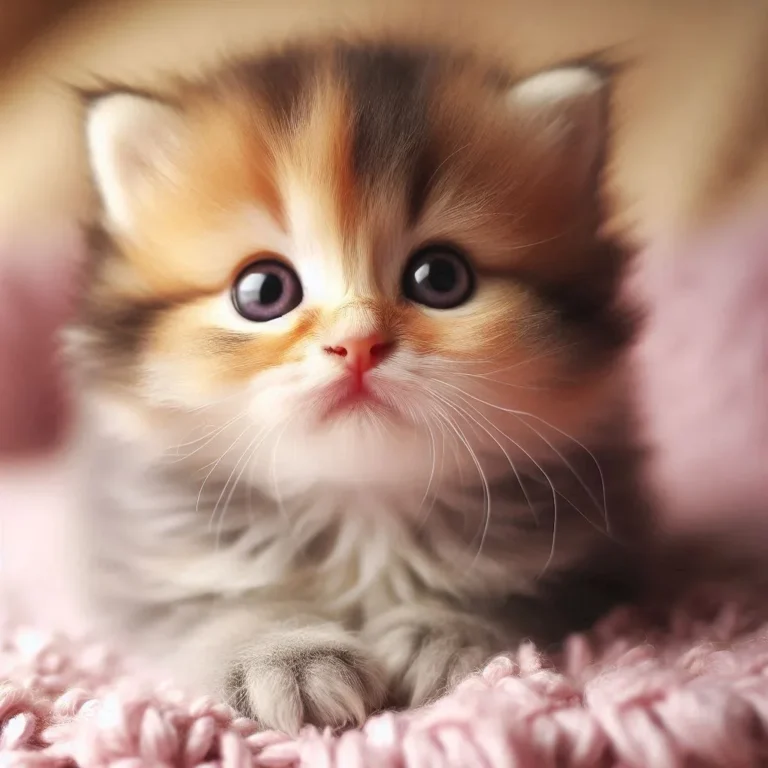
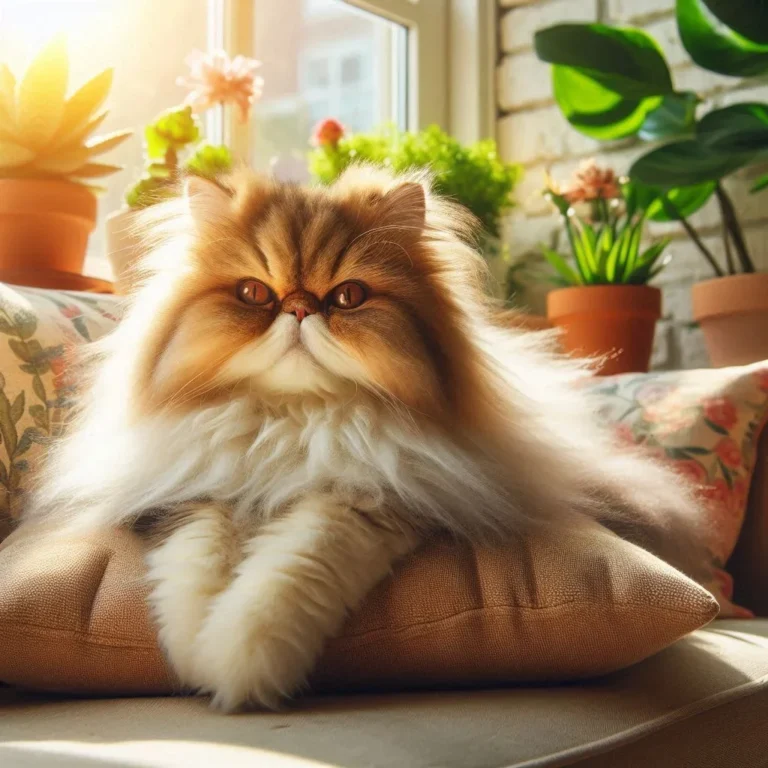
One of the most recognizable features of the Scottish Fold cat breed is its folded ears, which result from a cartilage defect that bends the ear forward. The degree of the fold can vary from a single gentle bend to a tight double fold, and not all kittens inherit this trait. The breed typically has a round head, large eyes, and a sturdy, medium‑sized body. Coat colors and patterns are diverse, ranging from solid blues and whites to tabby, calico, and tortoiseshell. The breed’s unique look is complemented by a plush, dense coat that may be short or medium in length.
Temperament and Friendly Personality
Beyond its striking appearance, the Scottish Fold cat breed is celebrated for its calm, adaptable temperament. Known for a friendly temperament, these cats often form strong bonds with family members and enjoy interactive play. They tend to be less aloof than some other breeds, preferring to sit beside you on the couch or follow you from room to room. Their mild nature makes them suitable for households with children, seniors, or other pets, provided introductions are managed gently. Owners frequently describe their Scottish Fold as “dog‑like” in loyalty and affection.
Health Considerations and Common Issues
While the Scottish Fold cat breed brings many joys, it also carries specific health concerns linked to its genetic mutation. The same cartilage defect that creates the folded ears can affect other joints, leading to a condition known as osteochondrodysplasia. This progressive disorder may cause arthritis, pain, and reduced mobility in severe cases. Prospective owners should seek reputable breeders who perform genetic testing and avoid breeding two folded‑ear cats together. For more information on the breed’s genetic health, consult the Genetic health of Scottish Fold study.
Grooming Needs and Daily Care
Despite their thick coat, Scottish Fold cats are relatively low‑maintenance in terms of grooming. Regular brushing—ideally once or twice a week—helps remove loose hair and reduces the risk of hairballs. Cats with longer coats may benefit from more frequent brushing to prevent matting. Dental care, nail trimming, and routine veterinary check‑ups are essential components of responsible ownership. A balanced diet rich in high‑quality protein supports joint health, especially for breeds prone to cartilage disorders.
Ideal Home Environment
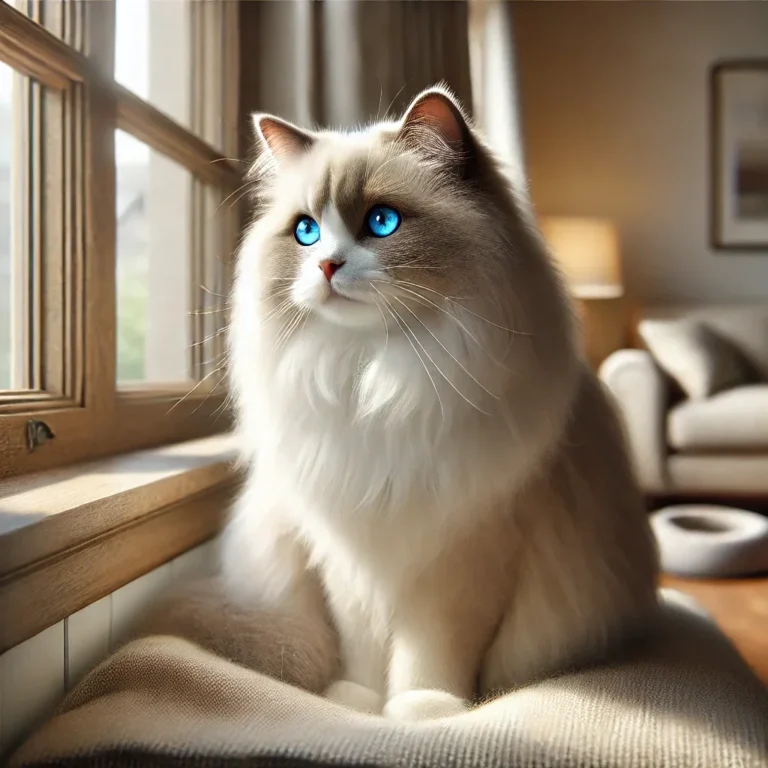
The Scottish Fold cat breed thrives in a calm, stable environment where it can enjoy both interaction and quiet time. Because they are indoor‑oriented cats, providing climbing structures, scratching posts, and interactive toys helps satisfy their curiosity and prevent boredom. They adapt well to apartment living as long as they have safe vertical space and enrichment. Access to windows with a view can also keep them mentally stimulated.
Choosing a Reputable Breeder
When adopting a Scottish Fold cat breed kitten, selecting a reputable breeder is paramount. Look for breeders who perform health screenings for osteochondrodysplasia, conduct regular veterinary examinations, and provide documentation of the kitten’s lineage. Ethical breeders will never pair two folded‑ear cats, reducing the risk of severe joint problems. The Cat Fanciers’ Association offers a breeder directory and breed standard guidelines to assist prospective owners.
Adoption and Rescue Options
While many Scottish Fold kittens are obtained from breeders, rescue organizations and shelters occasionally have adult cats of this breed. Adopting a rescued Scottish Fold can provide a loving home to a cat in need while also reducing demand from breeding operations. Organizations such as the ASPCA list breed‑specific rescue groups and adoption resources.
Key Care Checklist for Scottish Fold Owners
- Schedule regular veterinary check‑ups to monitor joint health.
- Provide a balanced diet with joint‑supporting nutrients (e.g., omega‑3 fatty acids).
- Brush the coat weekly to reduce shedding and hairballs.
- Offer scratching posts and interactive toys for mental stimulation.
- Maintain a safe indoor environment with vertical climbing options.
- Research and choose a reputable breeder or reputable rescue organization.
Conclusion
Understanding the unique attributes of the Scottish Fold cat breed—its iconic folded ears, gentle temperament, and specific health considerations—empowers owners to provide the best possible care. By selecting a responsible breeder or reputable rescue, implementing a consistent grooming routine, and monitoring joint health, you can ensure your Scottish Fold lives a long, comfortable, and joyful life. Ready to welcome this charming companion into your home? Explore reputable breeders, visit local shelters, and give a Scottish Fold the loving environment it deserves today!
Frequently Asked Questions
Q1. What causes the Scottish Fold’s distinctive folded ears?
The breed’s folded ears are the result of a natural genetic mutation affecting cartilage development. This mutation causes the ear cartilage to bend forward, creating a single or double fold. The degree of the fold varies among kittens, and not all offspring inherit the trait.
Q2. Are Scottish Folds suitable for families with children or other pets?
Yes, Scottish Folds are known for their calm and friendly temperament, making them good companions for children and other household pets. They enjoy human interaction and will often follow family members around. Proper introductions and supervision with larger pets are still recommended.
Q3. What health concerns should I be aware of with a Scottish Fold?
The primary health issue linked to the breed is osteochondrodysplasia, a cartilage disorder that can lead to arthritis and joint pain. Regular veterinary check‑ups can help monitor joint health and catch problems early. Choosing a breeder who tests for this condition reduces the risk.
Q4. How often should I brush and groom my Scottish Fold?
Scottish Folds benefit from brushing once or twice a week to remove loose hair and prevent hairballs. Long‑haired individuals may need more frequent grooming to avoid matting. Along with brushing, routine nail trimming and dental care are important for overall health.
Q5. How do I find a reputable Scottish Fold breeder?
Look for breeders affiliated with recognized registries such as the Cat Fanciers’ Association or The International Cat Association. They should provide health screening results for osteochondrodysplasia and never breed two folded‑ear cats together. Visiting the cattery, asking for references, and reviewing the kittens’ lineage are key steps.