Red‑Rumped Parrot Care Guide
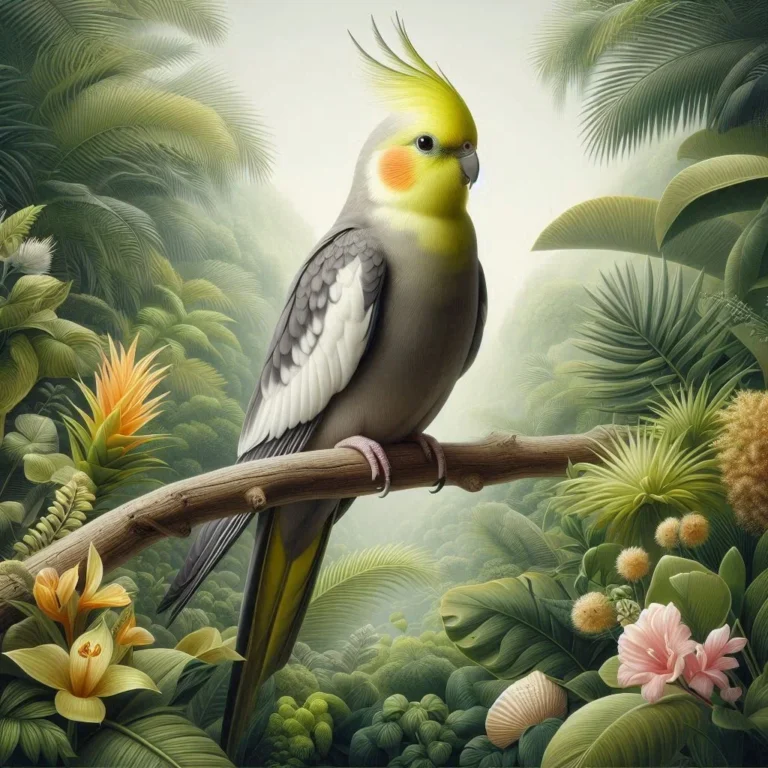
Whether you are a seasoned bird enthusiast or a first‑time pet owner, understanding the specific needs of a Red‑Rumped Parrot is essential for a thriving, healthy companion. This Red‑Rumped Parrot care guide walks you through everything from habitat setup and diet to health monitoring and enrichment, ensuring you provide the best possible environment for this vibrant species.
Choosing the Right Cage and Placement
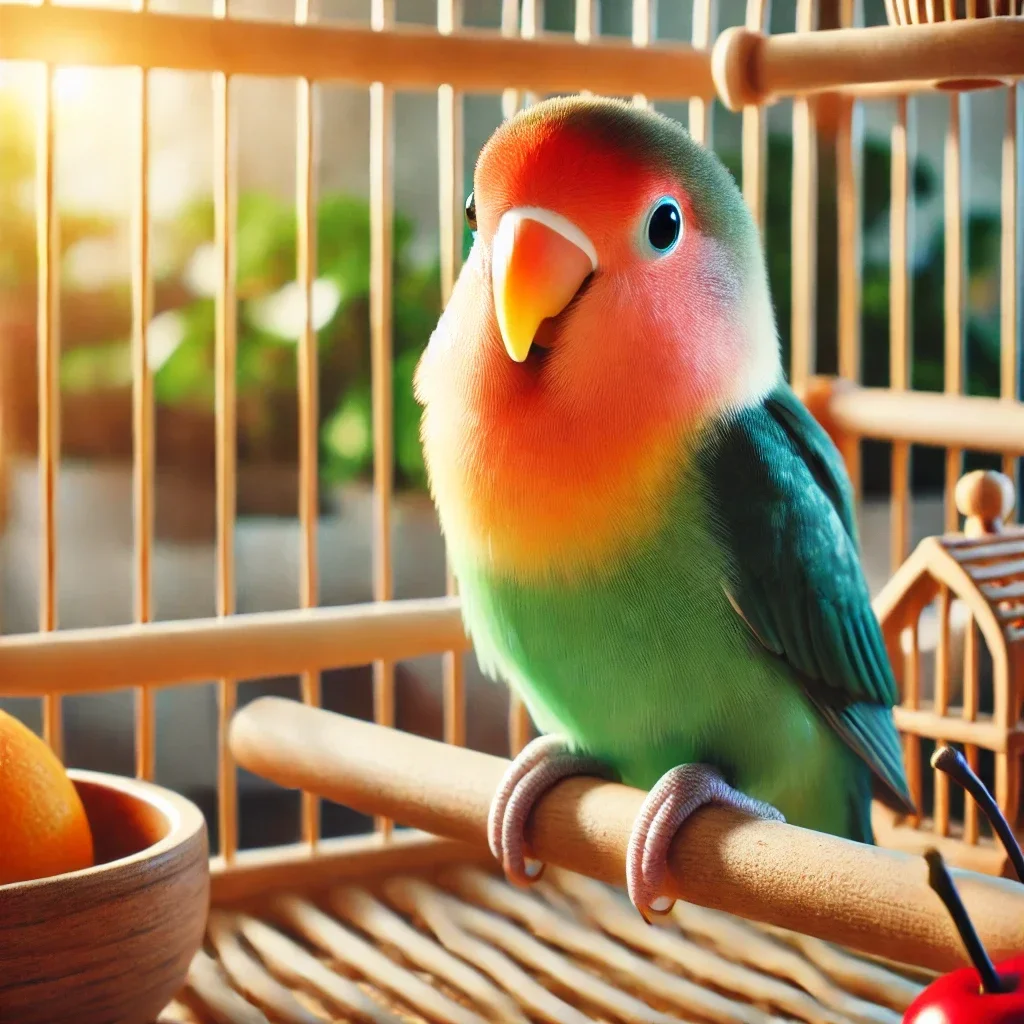
Red‑Rumped Parrots are active, inquisitive birds that require ample space to stretch their wings and explore. A minimum cage size of 24 × 24 × 30 inches is recommended for a single bird, with larger dimensions if you plan to keep a pair. Opt for bars spaced no more than ½ inch apart to prevent escape, and ensure the cage is made from powder‑coated, non‑toxic materials. Placement matters: choose a location with natural daylight (but out of direct sun) and a stable temperature between 65°F and 80°F; avoiding drafts and sudden temperature changes supports avian health.
Nutrition: A Balanced Parrot Diet
A varied diet is the cornerstone of good health for a Red‑Rumped Parrot. Commercially formulated parrot diet pellets should make up 60‑70% of daily intake, providing essential vitamins, minerals, and protein. Complement pellets with fresh fruits (apple slices, berries, kiwi) and vegetables (carrots, broccoli, leafy greens). Avoid avocado, chocolate, caffeine, and excessive citrus, as these can be toxic. Providing a small dish of millet spray daily encourages natural foraging behavior, and a shallow water dish should be refreshed at least twice a day.
Health Monitoring and Preventive Care
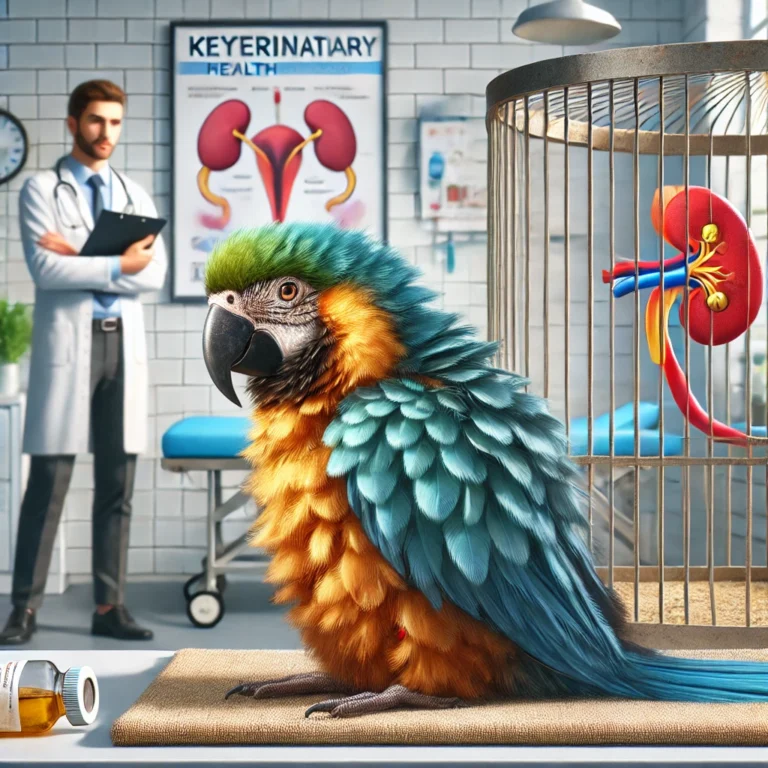
Red‑Rumped Parrots are generally robust, yet regular health checks can catch problems early. Look for signs such as fluffed feathers, loss of appetite, abnormal droppings, or changes in vocalization, which may indicate illness. Annual examinations by an avian‑qualified veterinarian are advised; they can screen for common conditions like psittacosis, respiratory infections, and parasitic infestations. The Centers for Disease Control and Prevention offers reliable information on bird‑related zoonoses.
Enrichment and Behavioral Needs
Intelligent and social, Red‑Rumped Parrots thrive on mental stimulation. Rotate toys regularly—climbing ropes, chewable wooden blocks, and puzzle feeders keep their minds sharp. Offer safe, untreated branches for natural perching, mimicking their native environment. Daily interactive sessions strengthen the bond and reduce stress; talk, whistle, or teach simple commands. A well‑enriched bird is less likely to develop destructive behaviors such as feather plucking.
Breeding Considerations
If you are interested in breeding, ensure you have a deep understanding of their breeding behavior. Pairing should be done after at least a year of bonding, with the male typically presenting the female with nesting material. Provide a nesting box measuring 12 × 12 × 15 inches, filled with soft, non‑synthetic material. Monitor the clutch closely; incubation lasts approximately 23 days, and chicks fledge around 5 weeks after hatching. Detailed breeding guidelines can be found on the Wikipedia page for Red‑Rumped Parrot.
Legal and Ethical Responsibilities
Before acquiring a Red‑Rumped Parrot, verify local and federal regulations. In the United States, permits may be required for certain species under the U.S. Fish and Wildlife Service. Ethical sourcing from reputable breeders ensures the bird’s health and supports responsible aviculture. Avoid purchasing from illegal wildlife trade channels, which can harm wild populations.
Routine Cleaning and Maintenance
- Spot‑clean droppings daily to prevent bacterial growth.
- Fully replace liner and scrub all surfaces with a bird‑safe disinfectant weekly.
- Rotate perches and toys to reduce wear and maintain hygiene.
- Check food and water dishes for mold or contamination each day.
Consistent cleaning not only promotes a healthier environment but also extends the lifespan of cage accessories.
Travel and Relocation Tips
When transporting your Red‑Rumped Parrot, use a secure travel cage that meets airline specifications. Acclimate the bird to the carrier gradually, placing familiar toys and a perch inside. Keep the environment quiet and avoid temperature extremes. If moving long‑distance, consult an avian veterinarian for guidance on stress‑reduction strategies.
Resources for Ongoing Learning
Staying informed is crucial for long‑term success. The Association of Avian Veterinarians offers webinars and publications on the latest research. University extensions, such as the University of Minnesota Extension, provide practical care sheets and newsletters. Regularly reading these resources helps you adapt to evolving best practices.
Conclusion
Providing exemplary care for a Red‑Rumped Parrot involves a balanced approach encompassing proper cage dimensions, a nutritiously varied diet, vigilant health monitoring, and consistent enrichment. By adhering to the guidelines outlined in this Red‑Rumped Parrot care guide, you set the stage for a joyful, long‑lasting partnership with your feathered friend.
Ready to give your Red‑Rumped Parrot the best life possible? Subscribe to our newsletter for daily tips, exclusive care checklists, and expert Q&A sessions that keep you ahead in avian care.
Frequently Asked Questions
Q1. What cage size is ideal for a Red‑Rumped Parrot?
A single adult needs at least a 24 × 24 × 30‑inch cage, with larger dimensions for pairs. The bars should be spaced no more than ½ inch apart to prevent escapes. Provide sturdy, powder‑coated bars and place the cage in a draft‑free area with natural light.
Q2. How should I balance pellets, fruits, and vegetables in their diet?
Pellets should make up 60‑70 % of daily intake, providing essential nutrients. Complement them with a variety of fresh fruits like apples, berries, and kiwi, and vegetables such as carrots, broccoli, and leafy greens. Avoid toxic foods such as avocado, chocolate, and caffeine.
Q3. What are the signs that my Red‑Rumped Parrot may be ill?
Watch for fluffed feathers, loss of appetite, abnormal droppings, or changes in vocalization. These can signal respiratory infections, parasites, or other health issues. Promptly contact an avian‑qualified veterinarian for a thorough exam.
Q4. How can I keep my Red‑Rumped Parrot mentally stimulated?
Rotate toys daily, offering ropes, chewable wood blocks, and puzzle feeders. Provide untreated branches for natural perching and spend interactive time each day talking or training simple commands. Enrichment reduces stress‑related behaviors like feather plucking.
Q5. What legal considerations are important before purchasing?
Check federal and state regulations; some areas require permits under the U.S. Fish and Wildlife Service. Buy only from reputable breeders who provide health certificates. Ethical sourcing protects wild populations and ensures a healthy bird.