Rare White Cat Breeds List
When cat lovers search for a truly distinctive companion, the Rare White Cat Breeds List often appears at the top of their mind. White coats can be striking, but they are also genetically uncommon, especially when paired with the specific breed standards that registries like the CFA or TICA uphold. In this guide we explore five of the most uncommon white-coated felines, delve into their origins, temperament, and health considerations, and provide practical tips for prospective owners. Understanding the genetics behind a white coat, the rarity of certain breeds, and the responsibilities of caring for an albino‑type cat can help you make an informed decision that benefits both you and the animal.
Turkish Van – The Swan‑Like Swimmer
The Turkish Van is famed for its love of water, but the pure white variant is exceptionally rare. While the classic Van pattern features a white body with colored markings on the head and tail, the all‑white line lacks any pigment, giving it a clean, snow‑like appearance. Originating from the Lake Van region of Turkey, this breed was historically prized by shepherds for its robust health and hunting prowess. The all‑white Van retains the breed’s characteristic semi‑long coat, which is water‑repellent and requires minimal grooming.
Temperamentally, pure white Vans are intelligent, energetic, and highly social. They thrive in homes where they can explore climbing structures and have access to safe water sources for play. Because the white coloration is linked to the dominant W gene, breeders monitor for potential deafness, a condition more common in all‑white cats of other breeds. Regular veterinary examinations and auditory testing are recommended.
For further reading on the Turkish Van, see the Wikipedia entry, which details its history and breed standards.
British Shorthair White Variant – The Plush Snowball
The British Shorthair is celebrated for its dense, plush coat and round, expressive eyes. While the standard color palette includes blues, silvers, and golden tones, the all‑white version is a documented rarity. This variant possesses the breed’s hallmark sturdy build, broad chest, and tranquil disposition, making it an ideal indoor companion. The white coat is the result of a recessive recessive allele that suppresses pigment production, a combination that occurs infrequently in the breeding population.
Owners often describe the white British Shorthair as “gentle giant” because of its calm nature and moderate activity level. However, the breed’s predisposition to obesity calls for a balanced diet and regular play. Because white fur reflects sunlight, these cats can be more sensitive to UV exposure, so it’s wise to keep them indoors during peak sun hours.
Official breed standards and health guidelines are available through the Cat Fanciers’ Association (CFA), which includes specifications for coat color and conformation.
Japanese Bobtail in Pure White – The Lucky Charm
The Japanese Bobtail is deeply rooted in Japanese folklore, often depicted as the “Maneki‑Neko” or beckoning cat that brings good luck. While the breed typically displays a tricolor or calico pattern, the pure white bobtail is exceedingly scarce. The breed’s signature short, pom‑pom tail is a result of a natural mutation, and the white coat emerges when the cat carries two copies of the recessive ‘c’ allele that eliminates pigment.
These cats are known for their lively personalities, vocal nature, and strong bond with their owners. The all‑white Japanese Bobtail retains the breed’s affectionate temperament while presenting a striking visual contrast. Because the gene for white fur can be linked to inner ear malformations, breeders often perform auditory testing on white individuals to rule out congenital deafness.
Additional scientific background on coat color genetics is provided by the American Veterinary Medical Association, an authoritative source for pet health information.
Siberian Cat with Snow‑White Coat – The Arctic Wanderer
The Siberian cat, native to the forests of Russia, boasts a triple‑layered coat that protects it from harsh winter climates. While most Siberians display classic tabby or solid colors, the snow‑white variant is a genuine rarity. The dense undercoat can appear almost invisible against a pure white topcoat, creating a majestic, frosted look.
These cats are highly adaptable, agile, and known for their strong hunting instincts. The white Siberian maintains the breed’s hypoallergenic reputation, as they produce lower levels of the Fel d 1 protein that often triggers allergies. However, their thick fur demands regular brushing to prevent matting, especially during seasonal shedding.
For an overview of Siberian cat characteristics, the Wikipedia page offers detailed information on breed history and health considerations.
Other Rare White Breeds – A Quick Reference
Beyond the highlighted breeds, several other feline lines feature uncommon pure white individuals. Below is a concise list of additional rare white cats you may encounter:
- Norwegian Forest Cat (White) – Majestic, long‑haired, and adept climbers.
- Oriental Shorthair (White) – Sleek body, large ears, and a talkative nature.
- Balinese (White) – Often referred to as the “long‑haired Siamese,” with striking blue eyes.
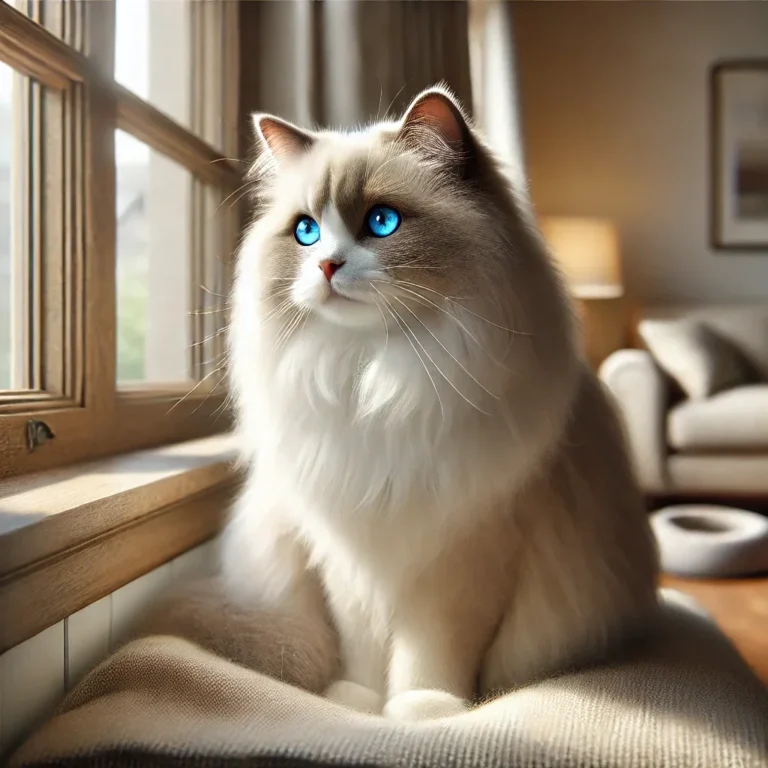
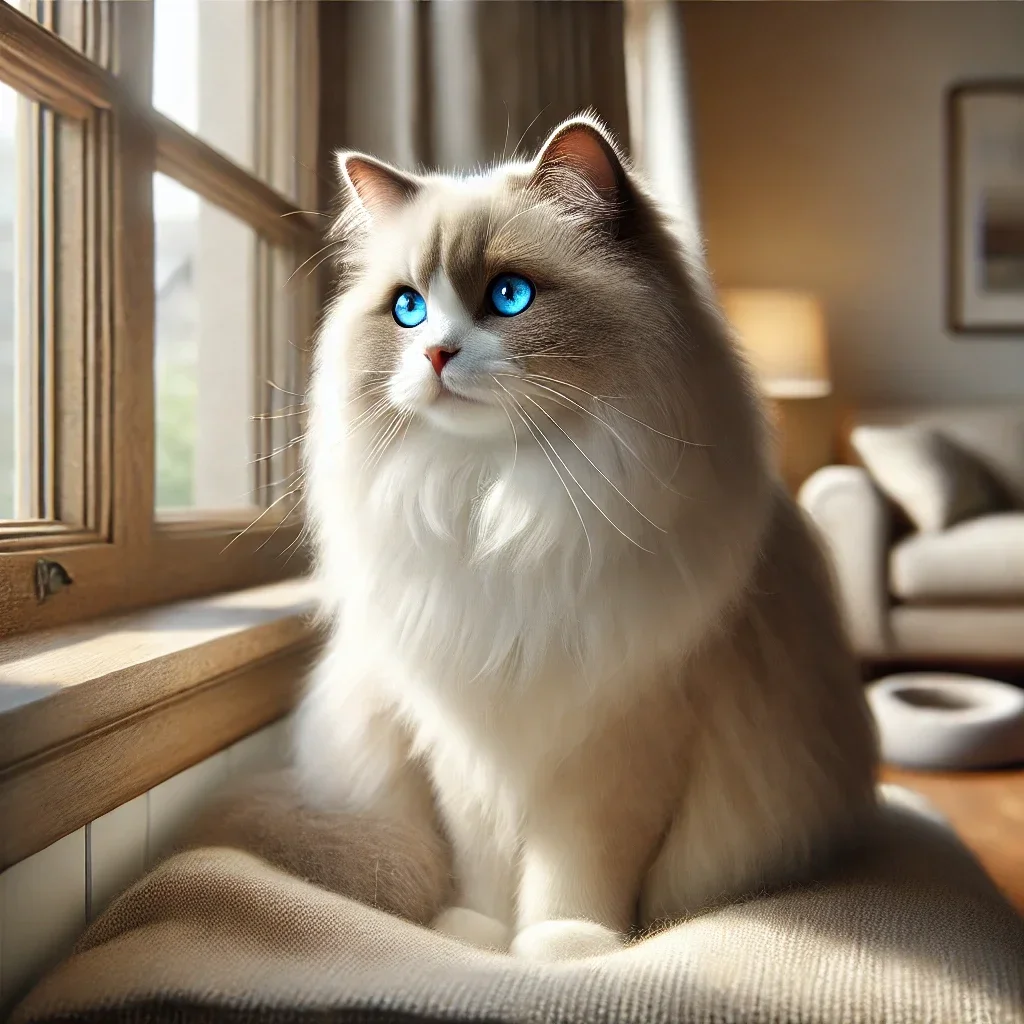
- Ragdoll (White) – Known for its relaxed temperament and striking blue eyes against a white background.
Each of these breeds carries its own set of care requirements, temperament traits, and potential health concerns linked to the white coat gene. Prospective owners should consult breed‑specific resources and reputable breeders before making a commitment.
Key Characteristics to Look for in Rare White Cats
When evaluating a rare white cat, consider the following factors to ensure a harmonious match:
- Health Screening: Verify that the cat has undergone auditory testing, especially if the white coat is the result of the dominant W gene.
- Coat Maintenance: Assess grooming needs; long‑haired breeds may require daily brushing.
- Temperament Compatibility: Match the cat’s activity level and social needs with your lifestyle.
- Genetic Background: Request pedigree documentation to confirm the rarity and purity of the white lineage.
- Environmental Sensitivity: White cats can be more susceptible to sunburn; provide shaded indoor spaces.
Conclusion – Bring a Rare White Beauty Home Today
Exploring the Rare White Cat Breeds List reveals a world of elegant, charismatic felines that stand out for both their striking appearance and unique heritage. Whether you are drawn to the water‑loving Turkish Van, the plush British Shorthair, the lucky Japanese Bobtail, the hypoallergenic Siberian, or any of the other rare white breeds, each offers a special companion experience.
Take the next step by researching reputable breeders, visiting local shelters that specialize in purebred rescues, and preparing a loving environment that meets the specific needs of a white-coated cat. Your future feline friend is waiting—discover the perfect rare white cat and enrich your life with its graceful presence today.
Frequently Asked Questions
Q1. What makes a white cat breed rare?
White cat breeds are rare because the genetic combination that produces a pure white coat occurs infrequently in the breeding population. The dominant W gene that suppresses pigment is not common, and many registries limit white coloration to preserve breed standards. Additionally, breeders often avoid white pairs due to the higher risk of hereditary issues such as deafness. The result is fewer pure‑white kittens reaching the market, making them sought after by enthusiasts.
Q2. Are all‑white cats prone to deafness?
Deafness is more common in cats that carry the dominant white (W) gene, especially when the coat lacks any pigment. Not every white cat will be deaf, but audiology testing is recommended for pure‑white individuals to ensure they can hear properly.
Q3. How should I groom a rare white cat’s coat?
Long‑haired white breeds, such as the Siberian or Norwegian Forest Cat, need regular brushing to prevent matting and remove loose fur. Short‑haired varieties benefit from weekly combing to reduce shedding and keep the coat glossy. Use a gentle, non‑scratch brush and consider a whitening shampoo to maintain brightness.
Q4. Which rare white breed is best for families with children?
The British Shorthair white variant is known for its calm, patient temperament and sturdy build, making it a good match for households with kids. Its moderate activity level means it enjoys play but is not overly hyperactive.
Q5. Where can I find reputable breeders for rare white cats?
Start by checking registered breeders listed with the Cat Fanciers’ Association (CFA) or The International Cat Association (TICA). Ask for health clearances, auditory testing results, and pedigree documentation before committing.