Rare Talking Birds Guide
Ever wondered why certain feathered companions can mimic human speech while also stealing hearts with their adorable quirks? Rare talking birds combine impressive vocal abilities with endearing personalities, making them coveted pets for enthusiasts who value both intelligence and cuteness. In this comprehensive guide, we explore the science behind bird vocalization, highlight a handful of the most charmingly rare species, and provide practical advice on care, ethics, and conservation. Whether you are a seasoned aviculturist or simply fascinated by exotic avian talent, these insights will help you appreciate the unique bond you can forge with these remarkable creatures.
What Makes a Bird Talk?
Birds do not possess vocal cords like mammals; instead, they produce sound through a specialized organ called the syrinx, located at the base of the trachea. This structure gives parrots and their relatives a broad range of tonal control, enabling them to replicate human speech with surprising fidelity. Research on avian cognition shows that many talking birds also demonstrate problem‑solving skills, social learning, and even rudimentary self‑awareness. A notable study from National Institutes of Health confirmed that African Grey parrots can comprehend concepts such as same‑difference and numerical order, underscoring the link between vocal mimicry and overall intelligence.
Top Rare Talking Birds and Their Cute Traits
Below is a curated list of rare talking birds that stand out for both their linguistic abilities and their lovable behaviors. Each species has distinct characteristics that make it a delightful companion, provided you meet its specific environmental and social needs.
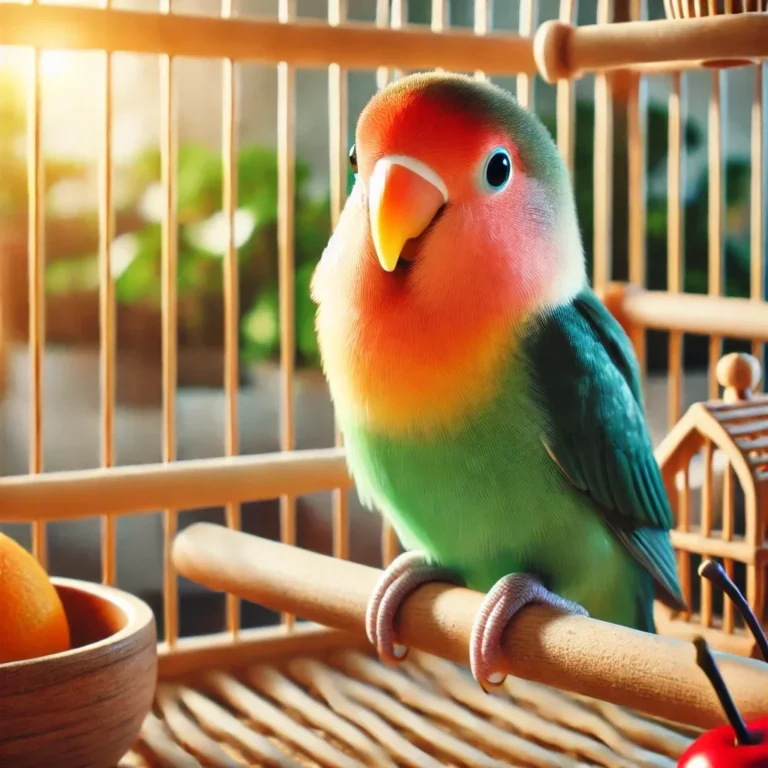
- Pink‑faced Lovebird (Agapornis roseicollis) – Though smaller than many parrots, this vibrant bird can learn a handful of simple words and phrases. Its affectionate nature shines through when it snuggles against a trusted human, often preening the caretaker’s fingers as a sign of trust.
- Eclectus Parrot (Eclectus roratus) – Recognized for dimorphic plumage (males are bright green, females vivid red), the Eclectus is an articulate talker, capable of forming clear sentences. Its playful demeanor includes splashing water during bath time, making show‑time a wet but entertaining affair.
- Blue‑crowned Conure (Thectocercus acuticaudatus) – Rare outside of South America, this conure combines a melodic chatter with a habit of gently tugging at soft toys. Its soothing cooing often calms nearby companions, earning it the nickname “the feathered lullaby.”
- Australian King‑Parrot (Alisterus scapularis) – With a striking crimson chest and vivid green back, the King‑Parrot can mimic human speech surprisingly well for its size. Its quirky habit of bobbing its head while singing adds an extra layer of cuteness.
- Senegal Parrot (Poicephalus senegalus) – Frequently overlooked in the pet trade, this medium‑sized parrot boasts a clear, resonant voice. Senegal parrots are known for their gentle “whistling” after meals, a habit that owners find both endearing and amusing.
For deeper taxonomic details, the Wikipedia Parrot page offers reliable references on each species’ native range and conservation status.
Keeping a Rare Talking Bird as a Companion
When welcoming a rare talking bird into your home, a thoughtful approach to habitat, nutrition, and social interaction is paramount. Below are essential guidelines to ensure the bird thrives physically and mentally.
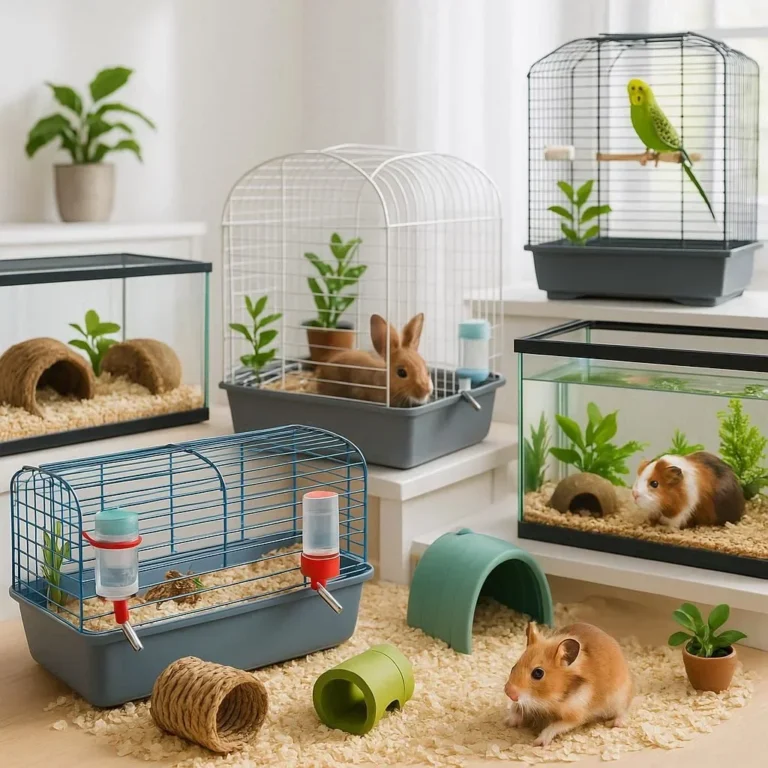
- Enclosure Size and Enrichment – Provide a cage that allows full wing extension and includes perches of varying diameters. Birds like the Eclectus love to climb and chew, so incorporate natural branches, safe toys, and puzzle feeders to stimulate problem‑solving.
- Balanced Diet – A mix of high‑quality pellets, fresh fruits (berries, mango), vegetables (leafy greens, carrots), and occasional nuts mirrors their wild diet. Avoid avocado and chocolate, which are toxic to parrots.
- Social Interaction – Talking birds are inherently social; daily face‑to‑face time is crucial. Practice gentle, consistent speech to encourage mimicry. Pair short training sessions with treats to reinforce learning.
- Health Monitoring – Regular veterinary check‑ups with an avian specialist are vital. Watch for signs of feather plucking, respiratory distress, or changes in droppings, which may indicate underlying health issues.
- Noise Management – While their chatter adds charm, it can become disruptive. Providing sound‑absorbing curtains or a dedicated “talking corner” helps balance the bird’s vocal expression with household quiet.
Educational resources such as the American Association of Avian Veterinarians provide evidence‑based recommendations for optimal bird health.
Conservation and Ethical Considerations
Many of the birds highlighted here face habitat loss, illegal trade, and declining wild populations. Responsible ownership starts with ensuring that your pet was sourced ethically—preferably from reputable breeders or rescues that comply with CITES regulations. Supporting conservation programs, whether through donations or volunteering, contributes to preserving these species in the wild.
Additionally, consider the environmental footprint of keeping an exotic bird. Energy‑intensive climate control and imported food can have larger ecological impacts. Choosing locally sourced, sustainable products and minimizing waste aligns your companionship with broader environmental stewardship.
Fun Facts and Cute Behaviors to Watch For
Beyond speech, each rare talking bird exhibits adorable idiosyncrasies that endear them to their humans.
- The Pink‑faced Lovebird often performs “wing‑flashing” dances when excited, spreading its vivid plumage like a living confetti.
- Eclectus parrots sometimes mimic the sound of a ringing telephone, then pause to stare at you as if awaiting a call.
- Blue‑crowned Conures love to sip water from a shallow dish and then shake droplets off their feathers, creating a sparkling rain‑effect.
- Australian King‑Parrots may mimic the rhythm of a doorbell, prompting an eager “who’s there?” response from their owners.
- Senegal parrots often tuck their heads under a wing while preening, giving them a “thoughtful” appearance that is simply irresistible.
Observing these quirks not only strengthens your bond but also provides valuable insight into the bird’s emotional state, helping you respond appropriately to stressors or excitement.
Conclusion
Choosing a rare talking bird means embracing a companion that blends intelligence, vocal talent, and undeniable charm. By understanding the science of avian speech, selecting a species that matches your lifestyle, and committing to ethical, informed care, you unlock a rewarding relationship that can enrich both your life and the bird’s wellbeing. Ready to welcome one of these enchanting personalities into your home? Explore reputable breeders, join avian enthusiast communities, and start planning a habitat that celebrates both speech and cuteness today.
Frequently Asked Questions
Q1. What defines a “talking bird”?
A talking bird is a species that can imitate human speech using its syrinx, a specialized vocal organ. Unlike mammals, the syrinx allows precise control of sound frequency and tone. Many parrots and related birds also show high cognitive abilities that support mimicking.
Q2. Which rare talking birds are suitable for beginners?
The Pink‑faced Lovebird and Senegal Parrot are often recommended for newcomers because they are smaller, require less space, and learn a modest vocabulary quickly. Both species are social and thrive with regular interaction, making training enjoyable.
Q3. How long does it typically take for a rare talking bird to learn words?
Learning speed varies by species, age, and consistency of training. Most birds begin to echo simple sounds within a few weeks, while building a vocabulary of 20‑30 words can take several months of daily practice. Patience and positive reinforcement are key.
Q4. What legal or ethical issues should I consider before buying a rare talking bird?
Ensure the bird is sourced from a CITES‑compliant breeder or a reputable rescue to avoid supporting illegal trade. Verify import permits where required, and research the species’ conservation status to confirm ethical ownership.
Q5. How can I keep my talking bird mentally stimulated?
Provide a rotating selection of toys, puzzle feeders, and foraging opportunities to encourage problem‑solving. Regular vocal interaction, training sessions, and safe out‑of‑cage time also prevent boredom and promote wellbeing.