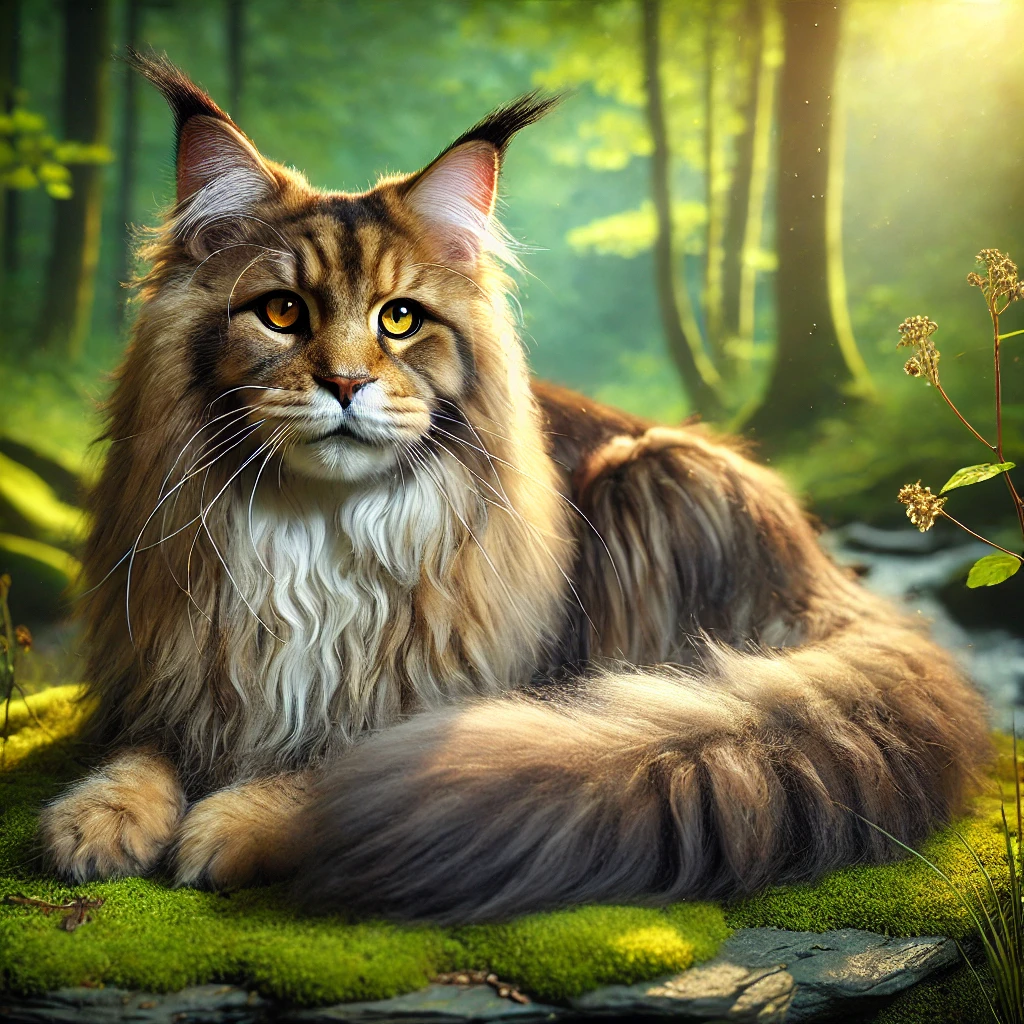
Rare Cat Breeds Worldwide Guide
Few animal lovers can resist the allure of a cat that looks and behaves unlike any household feline. For cat enthusiasts seeking something truly special, rare cat breeds offer a glimpse into the rich tapestry of genetics, culture, and history that shape the domestic cat family. In this comprehensive guide we explore four of the most captivating rare cat breeds from around the world, highlight their unique traits, and discuss why responsible breeding and cat breed conservation are essential for preserving these extraordinary companions.
Asian Li – The Hidden Himalayan Treasure
The Asian Li cat hails from the remote mountains of northern China, where it was once revered as a spiritual guardian. With a short, dense coat that comes in a striking silver‑blue or golden hue, the Asian Li combines the elegance of a siamese‑type body with a rugged, weather‑proof fur. Its almond‑shaped eyes can be green, gold, or a mesmerizing amber, and the breed is celebrated for a calm, almost regal temperament. Because the Asian Li remains largely unknown outside its native region, it is considered an exotic cat breed that challenges breeders to maintain genetic diversity while protecting its fragile population.
Khao Manee – Thailand’s White Diamond
Originating from the ancient kingdom of Siam, the Khao Manee is perhaps the most iconic rare feline in Southeast Asia. This pure‑white cat dazzles with crystal‑clear blue or gold eyes—sometimes one of each—earning it the nickname “White Diamond.” Historically kept by royalty, the Khao Manee possesses a gentle, affectionate demeanor that makes it an ideal companion for dedicated cat owners. Despite its stunning appearance, the breed faces a dwindling gene pool, prompting a surge of interest among international cat enthusiasts to support ethical breeding programs that safeguard its future.
Minskin – The Miniature Sphinx Hybrid
The Minskin is a marvel of unique feline genetics, born from a deliberate cross between the Munchkin’s short legs and the Sphynx’s hairless skin. The result is a tiny, muscular cat that carries a soft, peach‑fuzz coat limited to the paws, ears, and tail—an aesthetic that sets it apart from most other breeds. Minskins are known for their playful curiosity, high energy levels, and strong bond with their human families. As a relatively new and rare breed, they illustrate the exciting possibilities—and responsibilities—of modern selective breeding in the realm of exotic cat breeds.
Peterbald – The Elegant Russian Silhouette
Developed in St. Petersburg during the 1990s, the Peterbald epitomizes sleek sophistication. Though it can be hairless, many Peterbalds sport a fine, peach‑like fuzz that accentuates their elongated bodies and long, tapering limbs. Their large, expressive eyes range from green to amber, while their affectionate, confident personality makes them beloved companions among cat aficionados. The breed’s rarity stems from a limited founder population, which underscores the importance of careful, responsible breeding to preserve genetic health while honoring the breed’s delicate lineage.
Distinctive Traits of Rare Cat Breeds
- Coat variations: From the silky white of the Khao Manee to the almost hairless skin of the Minskin, rare breeds showcase a spectrum of fur types that surprise even seasoned cat owners.
- Body structure: Short‑legged breeds like the Minskin and Peterbald display unique skeletal adaptations that require vigilant health monitoring.
- Eye coloration: Unusual eye colors—such as the dual‑tone eyes of the Asian Li or the deep amber of the Khao Manee—add to their visual appeal.
- Temperament: Many rare breeds are celebrated for their affectionate, people‑oriented personalities, making them ideal for households that can provide ample social interaction.
Conservation Efforts and Ethical Breeding
The survival of these rare feline species depends heavily on structured cat breed conservation strategies that prioritize genetic diversity, health screenings, and transparent lineage records. Organizations worldwide are collaborating with veterinary schools, such as the National Center for Biotechnology, to develop DNA registries that help breeders identify and avoid harmful recessive traits. In addition, several government wildlife agencies, including the U.S. Fish and Wildlife Service, provide guidelines for responsible exotic pet ownership, emphasizing that rarity should never excuse neglect of welfare standards. By supporting reputable breeders who follow these best practices, prospective owners can enjoy the marvels of rare cat breeds while contributing to their long‑term preservation.
Conclusion
Exploring rare cat breeds opens a door to a world of beauty, history, and genetic wonder that few cat owners experience on a daily basis. Whether you are drawn to the mystical aura of the Asian Li, the pristine elegance of the Khao Manee, the innovative charm of the Minskin, or the graceful silhouette of the Peterbald, each breed offers a unique story worth cherishing. As you consider adding a rare feline to your family, remember that responsible ownership and support for cat breed conservation are the keys to ensuring these extraordinary companions thrive for generations to come. Ready to meet your dream cat? Browse reputable breeders, join dedicated cat enthusiast groups, and become part of the movement that protects the dazzling diversity of rare cat breeds worldwide.
Frequently Asked Questions
Q1. What defines a rare cat breed?
Rare cat breeds are felines with limited population numbers, often confined to specific geographic regions or small breeding groups. They typically possess distinctive physical traits or genetic lines that set them apart from more common breeds. Their rarity can result from historical isolation, recent development, or strict breeding standards.
Q2. Are rare cat breeds suitable for first‑time owners?
Many rare breeds have affectionate, people‑oriented temperaments that can suit new owners, but they may also have special care needs. Prospective owners should research each breed’s health, grooming, and activity requirements. Consulting with a reputable breeder or a veterinarian helps ensure a good match.
Q3. How can I ensure ethical breeding when buying a rare cat?
Choose breeders who perform health screenings, maintain transparent pedigree records, and follow breed‑specific welfare guidelines. Look for certifications from recognized cat registries and ask to see the kitten’s parents. Avoid backyard operations that prioritize profit over the cats’ wellbeing.
Q4. What health concerns are common in rare breeds like the Minskin or Peterbald?
Short‑legged or hairless breeds can be prone to spinal issues, skin sensitivities, and temperature regulation problems. Regular veterinary check‑ups, a balanced diet, and appropriate environmental controls are essential. Early detection of genetic disorders through DNA testing can improve long‑term health.
Q5. Where can I learn more about cat breed conservation?
Organizations such as the Cat Fanciers’ Association, The International Cat Association, and global wildlife agencies publish guidelines and research on breed preservation. Academic journals and veterinary schools also provide studies on genetic diversity. Joining enthusiast forums and supporting reputable conservation programs are great ways to stay informed.