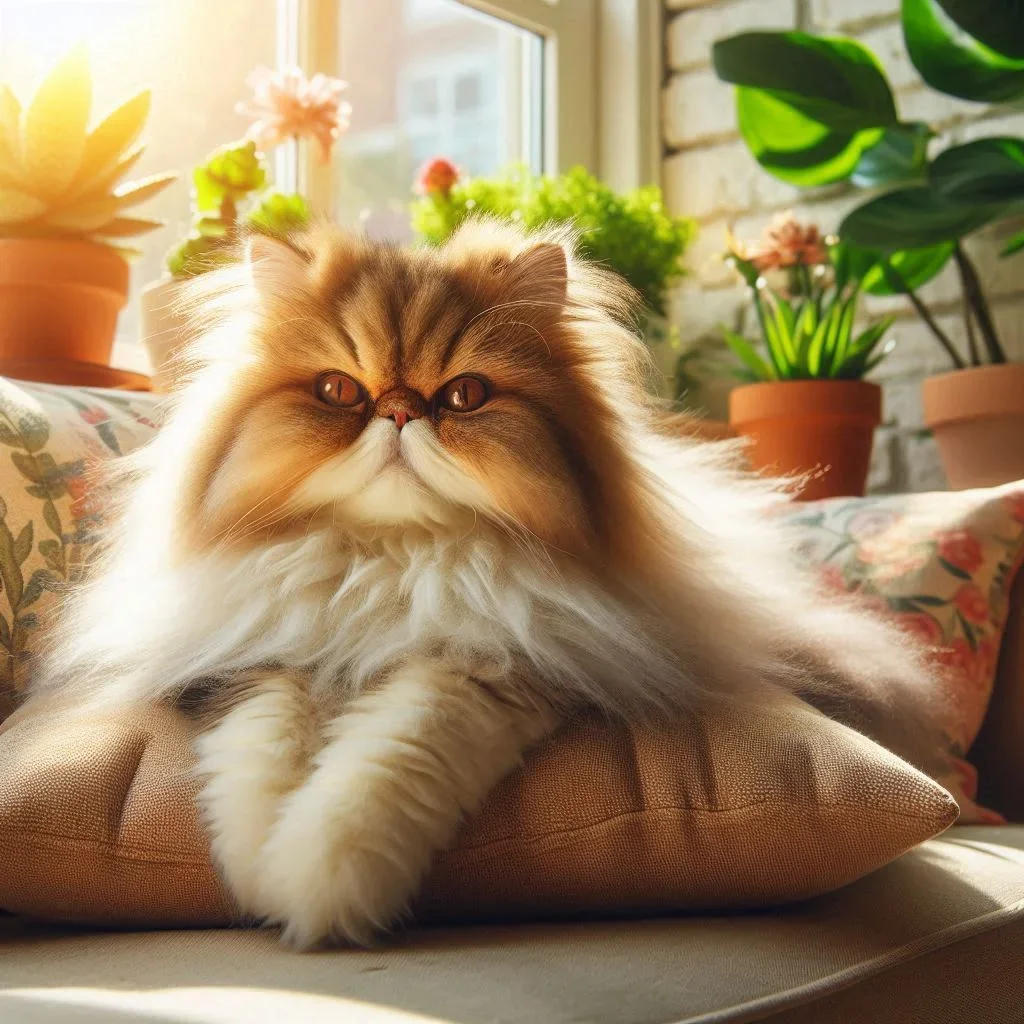
Rare and Cute Cat Breeds Guide
When you start researching rare and cute cat breeds, the world of felines opens up like a colorful tapestry of unique personalities, eye‑catching coats, and distinctive body types. These exotic cat breeds aren’t just beautiful; they often come with fascinating histories and specific care needs that set them apart from more common housecats. In this comprehensive guide we’ll explore what makes a breed “rare,” showcase several of the most adorable examples, and provide practical tips for prospective owners who want to give these special cats the best possible life.
What Defines a Rare Cat Breed
The term “rare” can be misleading if you only think about numbers. In the cat‑breeding community, rarity usually refers to a combination of limited genetic pools, low registration numbers, and sometimes geographic isolation. For instance, the Korat is a Thai breed that remained virtually unknown outside its homeland until the 1990s, making it both rare and prized. Rarity also intertwines with cuteness when a breed possesses traits like oversized eyes, a plush coat, or a playful demeanor that instantly melt hearts.
Top Rare and Cute Cat Breeds
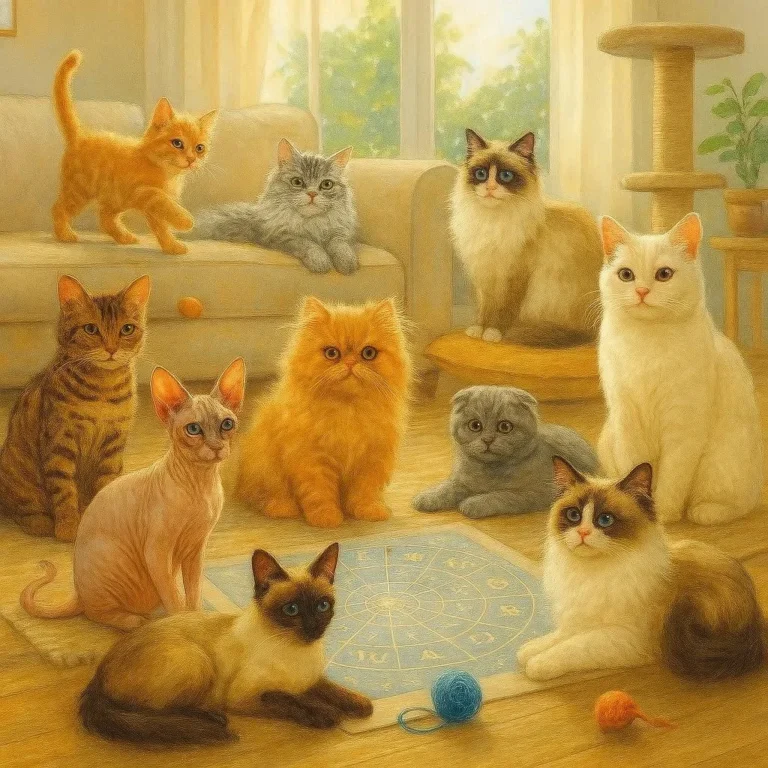
Below is a curated list of some of the most eye‑catching, lesser‑known breeds that consistently rank high on the “cute” factor. Each description highlights appearance, temperament, and a quick note on availability.
- Korat – Hailing from Thailand, the Korat sports a striking silver‑blue coat and vivid green eyes. Known for being loyal and slightly shy, Korats thrive in calm households where they can form strong bonds with a single person. Their rarity stems from limited breeding programs outside Southeast Asia.
- Munchkin – Famous for its short legs, the Munchkin combines a playful, kitten‑like energy with a sturdy body. Despite myths about health issues, reputable breeders report healthy, active cats. Because the breed is relatively new and regulated in many countries, finding a well‑socialized Munchkin can be challenging.
- Singapura – Often called the “little mouse cat,” the Singapura is one of the smallest pedigreed cats, with a ticked coat of warm beige and large amber eyes. Their gentle nature makes them excellent companions, though pure‑bred kittens are scarce due to the breed’s limited global population.
- Turkish Van – Known as the “swimming cat,” the Turkish Van sports a semi‑long coat with a distinctive white body and colored head and tail. Their love for water and adventurous spirit make them a quirky, cute choice for owners willing to provide stimulation.
- Scottish Fold – The hallmark of this breed is its folded ears, which give the cat an eternally innocent expression. While the fold is adorable, responsible breeders screen for cartilage‑related health problems. Their popularity has driven up demand, yet authentic, healthy Scottish Folds remain a prized find.
These breeds each illustrate how rarity and cuteness can coexist, creating a unique appeal for cat enthusiasts seeking something beyond the ordinary.
Caring for Exotic Felines
Owning a rare and cute cat breed often requires a higher level of attention to health, nutrition, and environmental enrichment. Because many of these cats have small gene pools, they can be predisposed to hereditary conditions. For example, the Scottish Fold is prone to osteochondrodysplasia, a cartilage disorder, while the Munchkin may develop spinal issues if over‑exercised. Regular veterinary check‑ups—including genetic screening when available—are essential.
Nutrition plays a pivotal role as well. Exotic breeds with dense coats, such as the Turkish Van, benefit from diets rich in omega‑3 fatty acids to maintain skin health. Likewise, kittens of the Singapura, due to their petite size, need carefully measured portions to prevent obesity. The ASPCA’s comprehensive cat‑care guide offers evidence‑based feeding recommendations that apply to both common and rare breeds.
Environmental enrichment is another critical factor. Rare breeds often possess strong curiosity and high activity levels. Providing climbing structures, puzzle feeders, and safe outdoor access (either via a catio or leash training) can reduce stress and prevent behavior problems. Remember that mental stimulation directly influences a cat’s overall wellbeing, especially for intelligent breeds like the Korat and Turkish Van.
Finding Reputable Breeders
Because rarity can attract unscrupulous sellers, prospective owners must conduct diligent research before committing to a purchase. Start by consulting recognized registries such as The International Cat Association (TICA). TICA maintains a breeder directory that lists members who adhere to strict health‑screening protocols and ethical breeding practices.
When evaluating a breeder, ask for health certificates, genetic test results, and documentation of the kitten’s lineage. Reputable breeders will also welcome visits to their cattery, allowing you to observe living conditions, socialization practices, and parental temperament. If a breeder hesitates to provide this information, consider it a red flag.
Adoption is another avenue worth exploring. Rescue organizations occasionally receive rare breed cats rescued from neglectful situations. While these cats may require extra medical attention, adoption can be a rewarding way to give a rare and cute cat a second chance. For reliable adoption resources, visit the UC Davis Veterinary Medicine website for tips on integrating rescued felines into your home.
Conclusion
Rare and cute cat breeds offer a blend of visual charm, distinct personalities, and intriguing histories that make them stand out in the feline world. Whether you’re drawn to the sleek silver coat of the Korat, the playful short‑legged antics of the Munchkin, or the water‑loving spirit of the Turkish Van, each breed demands informed care, responsible sourcing, and a commitment to long‑term wellbeing. By choosing a reputable breeder, staying on top of health screenings, and providing enriched environments, you’ll ensure that your exotic companion thrives for years to come.
Ready to welcome a rare and cute cat breed into your family? Explore our detailed adoption guides, connect with certified breeders, and give your future feline friend the loving home it deserves today.
Frequently Asked Questions
Q1. What makes a cat breed considered rare?
Rarity usually involves a limited gene pool, low registration numbers, and often geographic isolation. Breeds like the Korat were unknown outside their native country for decades, contributing to their rare status.
Q2. Are rare cat breeds more prone to health problems?
Many rare breeds have smaller genetic diversity, which can increase the risk of hereditary conditions. Responsible breeders perform health screenings to minimize these risks.
Q3. How can I find a reputable breeder for a rare breed?
Start with recognized registries such as TICA or CFA, request health certificates, and visit the cattery. A breeder who is transparent and allows inspections is usually trustworthy.
Q4. Can I adopt a rare cat breed instead of buying?
Yes, rescue organizations sometimes receive rare breeds. Adoption gives the cat a second chance and often includes initial veterinary care.
Q5. What special care do exotic cats need?
Exotic breeds often require specific nutrition, regular veterinary check‑ups, and enrichment like climbing trees or puzzle feeders to keep them healthy and happy.