Quiet Pet Birds for Apartments
Finding a feathered friend that fits seamlessly into apartment life can feel like a puzzle. While many people imagine loud chirps and constant flapping, there is a growing selection of quiet pet birds that thrive in smaller spaces without disturbing neighbors. These low‑maintenance birds offer companionship, colorful presence, and a gentle soundtrack—perfect for busy professionals, families with young children, or anyone seeking a calm indoor pet. In this guide, we’ll explore the most suitable silent avian species, the factors that affect bird noise level, how to create a serene environment, and essential health considerations that keep your quiet pet bird happy for years to come.
Top Quiet Pet Bird Species
Not all birds are created equal when it comes to volume. Some species are naturally subdued, making them ideal for condos, shared housing, or open‑plan offices. Below are the most popular quiet pet birds, each with unique traits that cater to different lifestyles.
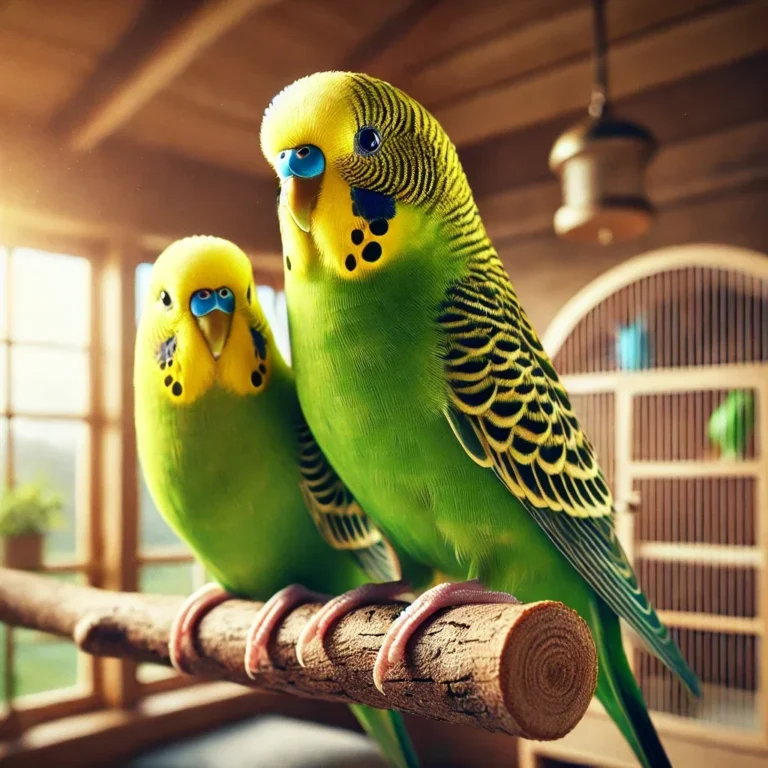
- Budgerigar (Budgie) – Often hailed as the world’s most popular pet bird, budgies emit soft chirps rather than loud squawks. Their small size (typically 7‑8 inches) and sociable nature make them easy companions for first‑time owners. Learn more about budgerigars on Wikipedia.
- Canary – Known for a melodic song rather than harsh calls, canaries are prized for their gentle singing. Male canaries produce pleasant trill patterns in the early morning, which many owners find soothing. Detailed information is available at the Encyclopedia Britannica page.
- Zebra Finch – These tiny finches (about 4 inches) are quiet for their size, communicating with soft peeps. They are especially well‑suited for multi‑bird setups where a subtle soundscape is desired. Zebra finch facts can be found on Wikipedia.
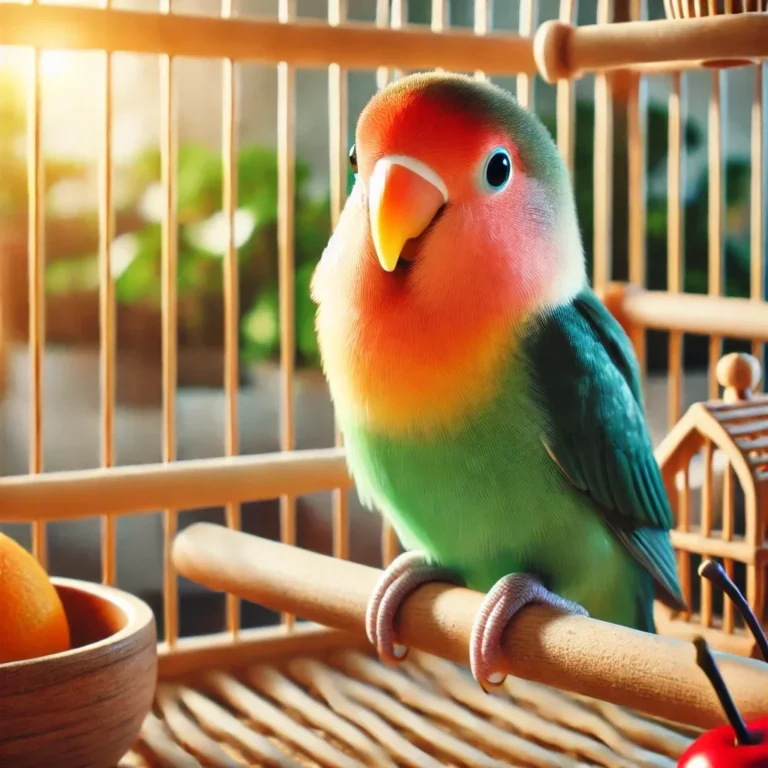
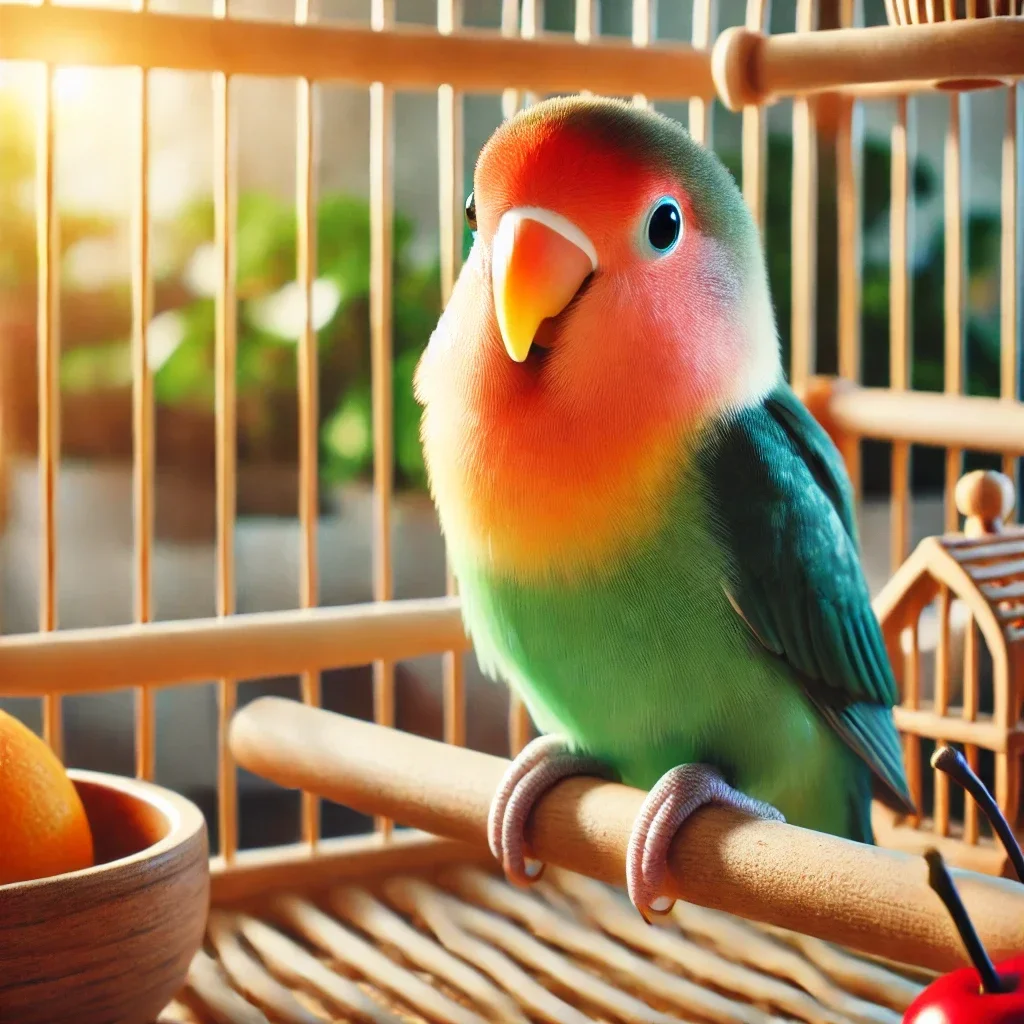
- Lovebird (Peach‑faced) – While lovebirds can be vocal, the Peach‑faced variety tends to be less noisy than its larger relatives. Their affectionate demeanor and bright plumage add visual interest without overwhelming sound. See the Cornell Lab of Ornithology overview for more.
- Society Finch – Another petite finch, the Society Finch offers occasional soft chirps. Their community‑oriented nature encourages calm interaction and is perfect for those who enjoy watching gentle flock behavior.
Factors That Influence Bird Noise
Understanding why a bird might become noisy helps you prevent unwanted disturbances. Several variables can amplify vocalizations, even in typically quiet species.
- Environmental Stress – Loud noises, sudden movements, or an overcrowded cage can trigger alarm calls.
- Social Isolation – Birds are inherently social; a lack of interaction may lead them to call for attention.
- Health Issues – Respiratory infections or discomfort often manifest as increased squawking.
- Lighting and Day‑Night Cycle – Inconsistent light exposure can disrupt natural rhythms, prompting birds to vocalize at odd hours.
- Dietary Imbalance – Poor nutrition may cause irritability, resulting in louder chatter.
By addressing these factors, you can maintain the inherently quiet nature of your feathered companion.
Creating a Calm Environment for Your Bird
Even the most tranquil bird thrives in a well‑designed setting. Here are practical steps to foster a peaceful habitat that encourages quiet behavior.
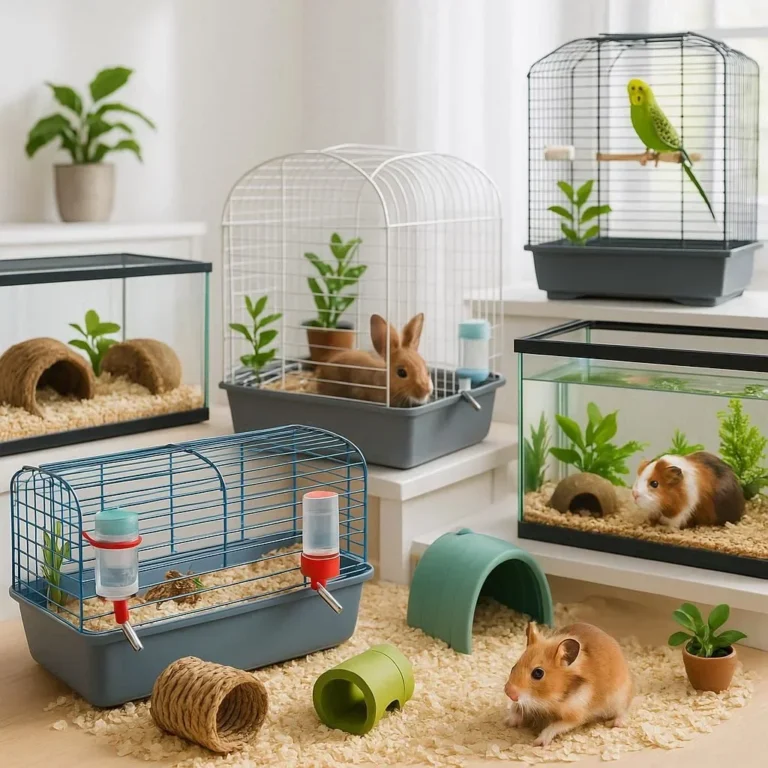
- Choose the Right Cage Placement – Position the cage away from street traffic, televisions, and high‑traffic zones. A spot near a natural light source but out of direct drafts works best.
- Provide Enrichment – Rotate toys weekly, include natural branches for chewing, and offer foraging activities. Enrichment reduces boredom‑related vocalizations.
- Maintain a Consistent Routine – Birds recognize patterns. Feed, clean, and interact at the same times each day to establish a predictable environment.
- Sound‑Dampening Solutions – Use a soft‑fitted cage liner, attach curtains to block outside noise, or place a sound‑absorbing mat beneath the cage.
- Limit Over‑Stimulation – Avoid playing loud music or TV near the cage during the bird’s rest period. Quiet evenings support a healthy sleep cycle.
When these conditions are met, quiet pet birds often remain just that—quiet, providing a gentle presence rather than a boisterous soundtrack.
Health and Well‑Being Considerations
Healthy birds are naturally calmer. Regular pet bird care practices safeguard both physical health and behavioral stability.
- Veterinary Check‑ups – Schedule an avian veterinarian visit at least once a year. Early detection of respiratory or metabolic issues prevents noise spikes caused by discomfort.
- Clean Water and Food – Fresh water daily and a varied diet of seed mix, pellets, fresh fruits, and vegetables support optimal health.
- Air Quality – Ensure proper ventilation and avoid cigarette smoke. Airborne pollutants irritate bird respiratory tracts, leading to louder calls.
- Exercise Opportunities – Allow supervised out‑of‑cage time. Flight practice expends excess energy, reducing restless vocalizations.
- Monitoring Weight – Sudden weight loss or gain can indicate illness; a quick response helps maintain a calm demeanor.
Reliable resources such as the American Avian Life Association offer guidelines on proper nutrition and preventive care.
Choose the Right Quiet Companion Today
Quiet pet birds provide a blend of beauty, intelligence, and low‑impact sound that fits modern living spaces. By selecting an appropriate species, attending to environmental triggers, and committing to consistent care, you’ll enjoy years of serene companionship. Ready to bring a gentle feathered friend into your home? Explore reputable breeders or rescue centers now, and start a quiet, rewarding journey with your new avian companion.
Frequently Asked Questions
Q1. Which bird species are the quietest for apartment living?
Budgerigars, canaries, zebra finches, peach‑faced lovebirds, and society finches are among the quietest options. These birds produce soft chirps or melodic songs rather than loud squawks. Their small size also makes them ideal for limited indoor spaces.
Q2. Why does my usually quiet bird start squawking suddenly?
Sudden loud vocalizations are often a sign of stress, illness, or social isolation. Check for changes in lighting, cage placement, or health issues like respiratory infections. Providing enrichment and a consistent routine can help calm the bird.
Q3. How can I reduce a bird’s noise without harming its wellbeing?
Place the cage away from street noise, keep a regular feeding schedule, and offer plenty of toys for mental stimulation. Sound‑dampening mats or curtains can also soften external sounds that trigger vocalizing. Never punish a bird for chirping, as this creates anxiety.
Q4. What type of cage setup promotes a quieter environment?
A roomy cage with natural branches, a soft liner, and good ventilation reduces stress‑related calls. Position the cage near natural light but away from drafts and televisions. Regular cleaning also prevents odors that can upset a bird.
Q5. Are there specific dietary needs that affect a bird’s temperament?
A balanced diet of high‑quality pellets, fresh fruits, vegetables, and occasional seeds supports overall health and reduces irritability. Avoid excessive fatty treats which can lead to metabolic problems and louder behavior. Fresh water should be changed daily.