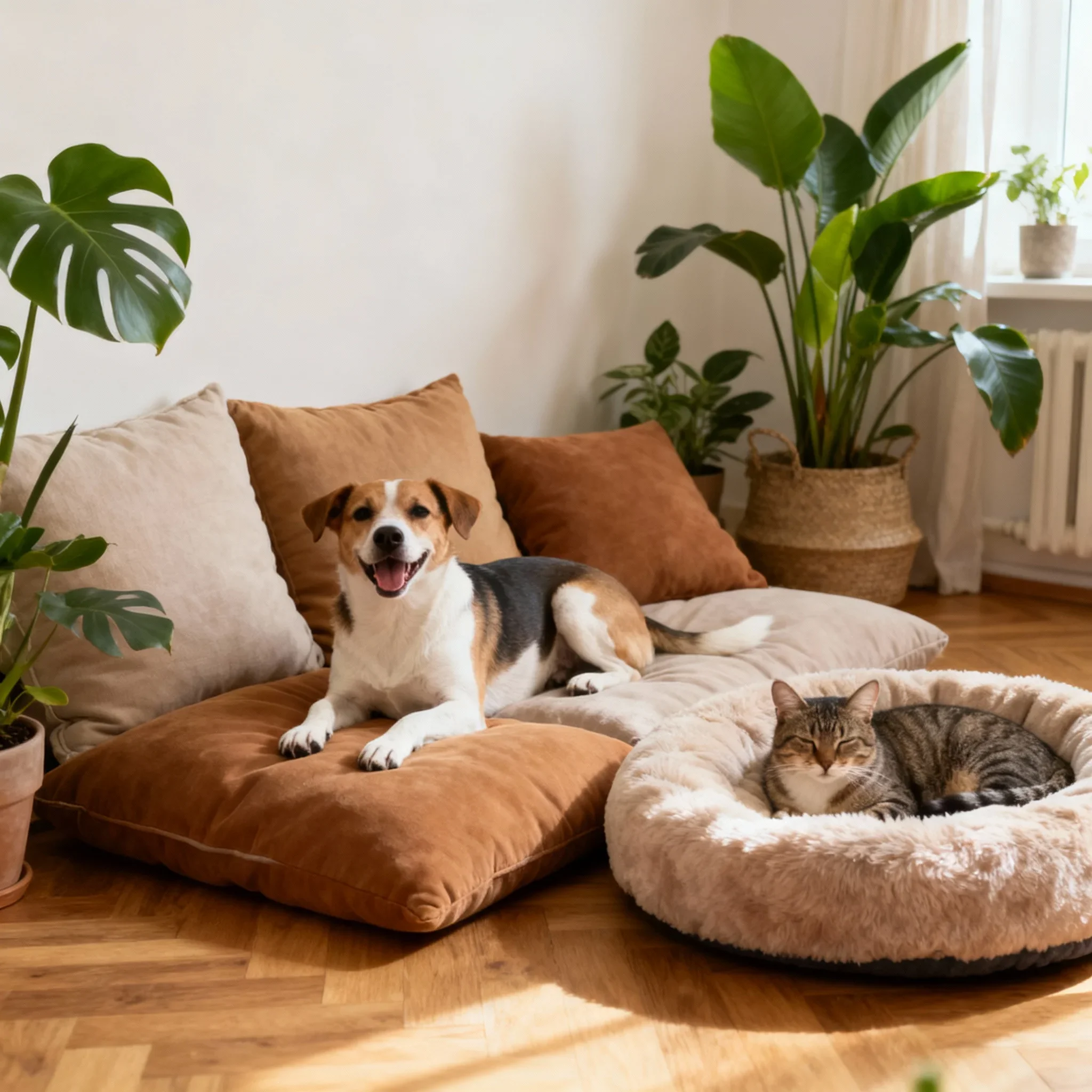
Quiet Dog Breeds for Apartments
Living in a compact apartment doesn’t mean you have to give up the joy of canine companionship. The right quiet dog breeds for apartments can thrive in limited space while keeping noise levels low, preserving harmony with neighbors and respecting building rules. In this guide we explore the most reliable low‑bark companions, discuss lifestyle considerations, and provide practical tips to ensure both you and your dog enjoy city living.
Why Choose a Low‑Bark Breed?
Apartment dwellers often face strict noise policies, and a sudden bark can trigger complaints or even fines. Selecting a breed known for a calm demeanor reduces the risk of disruptive sounds and eases the stress of both owner and neighbor. Additionally, quieter dogs are often less reactive to urban stimuli such as traffic or elevator noises, which can help them feel more secure.
Top Quiet Dog Breeds for Apartments
The following breeds consistently rank high for low vocalization and adaptability to small living spaces. Each entry includes temperament highlights and a reputable source for further reading.
- Basset Hound – Known for its laid‑back attitude and deep, resonant bark that is rare in apartment settings. Their short legs and moderate size make them ideal for limited floor area. Basset Hound
- French Bulldog – These compact, muscular dogs rarely bark and often communicate with soft sighs. Their affectionate nature and minimal shedding are added benefits for indoor living. French Bulldog
- Greyhound – Despite their reputation as racing dogs, Greyhounds are gentle couch potatoes who prefer lounging over barking. Their sleek frames fit comfortably on small sofas. Greyhound
- Shih Tzu – A small, spirited companion that rarely raises its voice. Their adaptability to indoor environments makes them a classic choice for city apartments. Shih Tzu
- Cavalier King Charles Spaniel – Gentle and affectionate, this breed communicates more through whines than loud bark, making it a considerate neighbor. Cavalier King Charles Spaniel
Key Lifestyle Factors for Apartment Success
Even the quietest breed needs proper care to remain well‑adjusted. Consider the following factors before bringing a dog home:
- Exercise Needs – While breeds like the Greyhound require short bursts of high‑intensity activity, many low‑bark dogs are satisfied with two daily walks and occasional play.
- Socialization – Introduce your dog to various sounds and people early to prevent anxiety that could lead to unexpected barking.
- Grooming Requirements – Some breeds shed heavily; opting for a low‑shedding companion simplifies cleaning in a small space.
- Space Management – Provide a dedicated sleeping area, toys, and a calming corner to give your pet a sense of security.
Training Tips to Maintain Quietness
Training reinforces the natural quiet tendencies of these breeds. Use positive reinforcement methods, such as clicker training or reward‑based treats, to encourage calm behavior. Consistency is essential; short, frequent sessions work better in a busy urban environment.
When a bark does occur, identify the trigger—whether it’s a doorbell, passing foot traffic, or an unfamiliar scent. Gradual desensitization paired with the “quiet” command can teach the dog to pause and respond only when appropriate.
Health Considerations for Small‑Space Dogs
Many quiet breeds have specific health quirks. For example, the French Bulldog is prone to brachycephalic airway syndrome, while Greyhounds can experience temperature regulation challenges. Regular veterinary check‑ups, a balanced diet, and maintaining a healthy weight are crucial for longevity. The American Veterinary Medical Association provides comprehensive guidelines for indoor pet health here.
Creating a Dog‑Friendly Apartment Environment
Beyond the dog itself, the apartment should be set up to support quiet living:
- Install sound‑absorbing rugs or curtains to dampen echoes.
- Choose furniture with washable fabrics in case of accidents.
- Use baby gates to restrict access to noisy hallway traffic.
- Provide a sturdy, comfortable crate for bedtime; crates help many dogs settle into a routine and reduce nighttime barking.
Real‑World Success Stories
Urban dwellers across major cities report high satisfaction with these low‑bark companions. A 2022 survey by the American Kennel Club found that 78% of apartment owners who selected a quiet breed reported fewer neighbor complaints compared to owners of more vocal breeds.
Meanwhile, a study from National Center for Biotechnology Information highlighted the positive mental health impact of owning a calm, indoor‑adapted dog, especially for individuals living in high‑density housing.
Conclusion
Choosing the right quiet dog breeds for apartments can transform city living from a potential source of stress into a rewarding partnership. By matching your lifestyle with a low‑bark, apartment‑friendly breed, investing in proper training, and creating a calm environment, you’ll enjoy companionship without compromising on peace of mind. Ready to find your perfect quiet companion? Browse reputable shelters or breeders today and take the first step toward a harmonious apartment life.
Frequently Asked Questions
Q1. Which quiet dog breeds are best for small apartments?
Breeds such as the French Bulldog, Greyhound, Basset Hound, Shih Tzu, and Cavalier King Charles Spaniel are known for low vocalization and compact size, making them ideal for limited living spaces.
Q2. Do quiet breeds need a lot of exercise?
While they are generally calmer, most still require regular walks and mental stimulation. Greyhounds need short bursts of high‑intensity activity, whereas a Shih Tzu is satisfied with modest daily strolls.
Q3. How can I prevent my apartment dog from barking?
Consistent training using the “quiet” command, positive reinforcement, and gradual desensitization to common triggers (doorbells, traffic noise) help curb unwanted barking.
Q4. Are there health concerns specific to these low‑bark breeds?
Yes. French Bulldogs can suffer from brachycephalic airway syndrome, Greyhounds may have temperature regulation issues, and Basset Hounds are prone to ear infections. Regular vet check‑ups are essential.
Q5. What apartment modifications make life easier for a quiet dog?
Adding sound‑absorbing rugs, washable furniture covers, a comfortable crate or a designated sleeping nook, and baby gates to limit hallway traffic all create a calm environment for a low‑bark companion.