Quiet and Cute Small Pets For Indoors
Choosing a companion that brings joy without the noise is a dream for many apartment dwellers and busy professionals. Quiet and Cute Small Pets for Indoors offer companionship, low maintenance, and a calming presence that fits perfectly into tight spaces. Whether you’re a first‑time pet owner or looking to add a new member to your household, this guide will help you identify the best quiet, low‑maintenance pets that thrive indoors.
Quiet and Cute Small Pets for Indoors: Why They’re Ideal
Indoor living demands pets that adapt to limited space, minimal noise, and a busy lifestyle. Quiet and cute small pets meet these criteria by providing companionship without the demands of large animals. They are often more affordable, require less exercise, and can be trained to live harmoniously with children and other pets. Moreover, their presence can reduce stress and improve mental well‑being, a benefit supported by research from the American Psychological Association.
Quiet and Cute Small Pets for Indoors: Top Choices
Below is a curated list of the most popular quiet and cute small pets that thrive in indoor environments. Each option is chosen for its low noise level, manageable size, and ease of care.
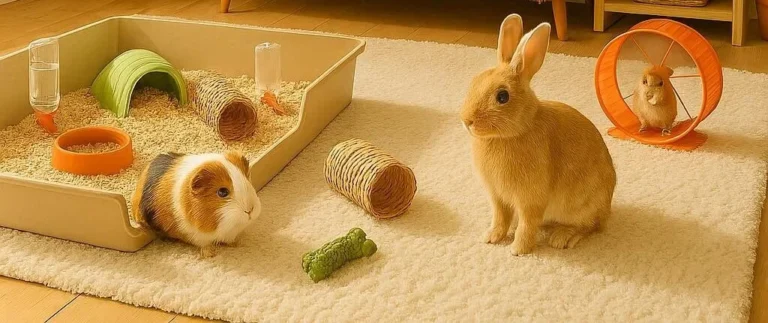
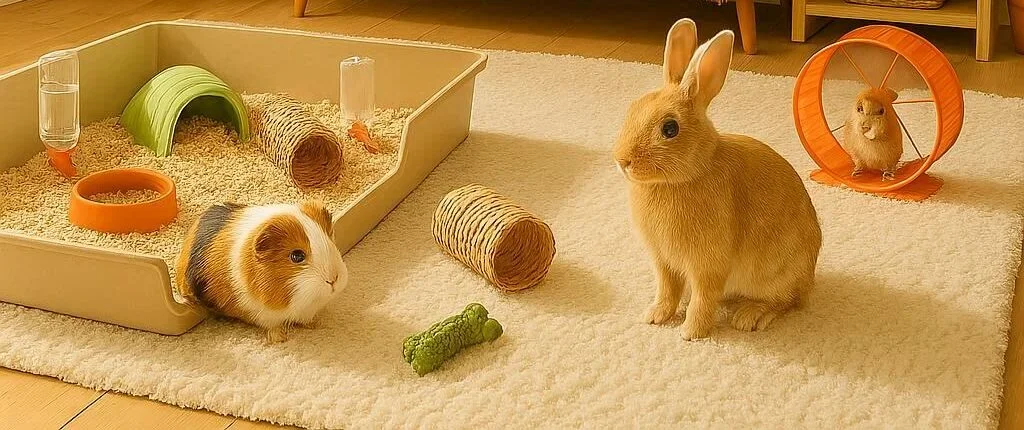
- Guinea Pig – Known for their gentle squeaks and affectionate nature, guinea pigs are social animals that enjoy interaction without being overly demanding.
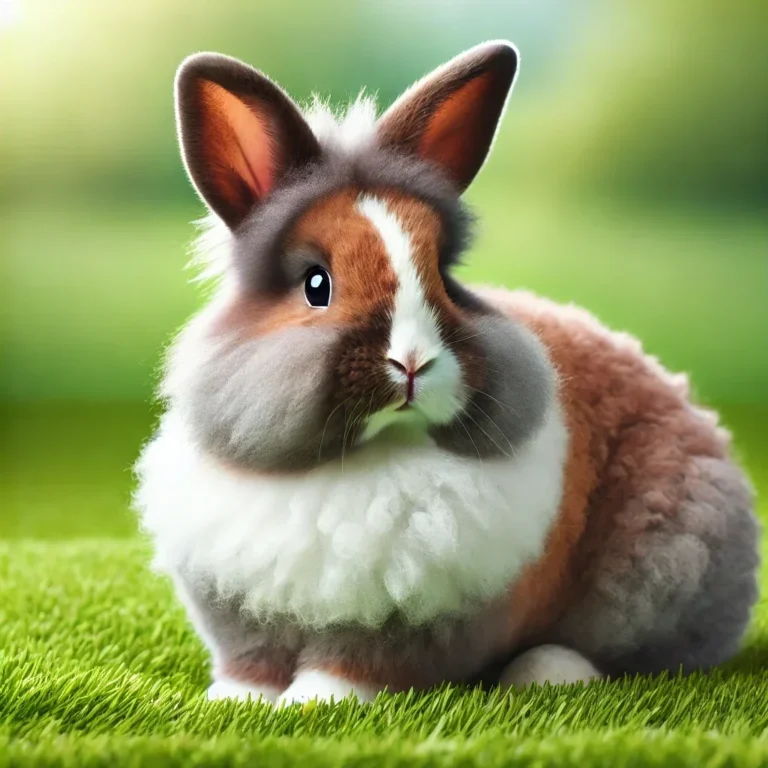
- Domestic Rabbit – Rabbits are surprisingly quiet, especially when they feel safe. They can be litter trained and thrive on a balanced diet of hay and fresh vegetables.
- Hedgehog – These nocturnal creatures are silent during the day and only make soft noises at night. They require minimal space and a warm, dark environment.
- Betta Fish – While not mammals, bettas are a quiet aquatic option that adds color and calm to any room. They need a properly filtered tank and regular feeding.
- Hermit Crab – A low‑maintenance pet that is almost silent. Hermit crabs need a humid terrarium and a diet of fresh fruit and commercial crab food.
Quiet and Cute Small Pets for Indoors: Care Tips for Indoor Comfort
Providing a comfortable environment is essential for the well‑being of any small pet. Here are key care tips tailored to each type of quiet and cute small pet:
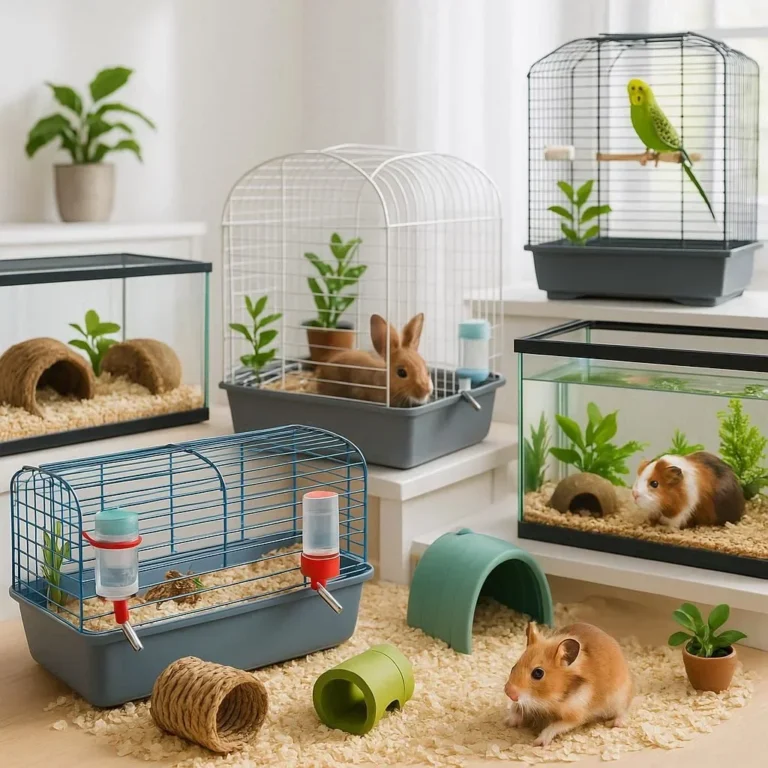
- Habitat – Ensure a spacious cage or terrarium with adequate ventilation. For guinea pigs and rabbits, a floor space of at least 7 ft² is recommended. Hedgehogs need a dark, warm area with a hiding spot.
- Diet – Offer fresh hay, leafy greens, and a balanced commercial pellet. For fish, use a high‑quality flake or pellet food. Avoid sugary or processed foods.
- Hygiene – Clean cages weekly and change bedding daily. For fish, perform partial water changes every week to maintain water quality.
- Social Interaction – Spend 10–15 minutes daily handling or talking to your pet. This builds trust and reduces anxiety.
- Health Monitoring – Watch for signs of illness such as lethargy, loss of appetite, or abnormal droppings. Schedule annual check‑ups with a veterinarian experienced in small animals.
Quiet and Cute Small Pets for Indoors: Choosing the Right Pet for Your Space
Deciding which pet fits your lifestyle involves evaluating space, time, and budget. Consider the following factors:
- Space – Smaller apartments may be best suited for fish, hermit crabs, or hedgehogs. Rabbits and guinea pigs require more floor area.
- Time – If you work long hours, a pet that can entertain itself, like a hedgehog or fish, may be preferable.
- Allergies – Some people are allergic to fur. In such cases, fish or hermit crabs are hypoallergenic options.
- Budget – Initial costs vary: guinea pigs and rabbits can cost $50–$100, while fish tanks may start at $30.
Once you’ve weighed these factors, research each species’ specific needs. Reliable sources such as the Guinea Pig Wikipedia page, the Rabbit Wikipedia page, the Hedgehog Wikipedia page, and the Betta Fish Wikipedia page provide comprehensive care guidelines.
Conclusion and Call to Action
Adopting a quiet and cute small pet for indoors can transform your living space into a sanctuary of companionship and calm. By choosing the right species, providing proper care, and creating a comfortable environment, you’ll enjoy the benefits of a low‑maintenance pet that brings joy without the noise. Ready to welcome a new friend into your home? Visit your local rescue or reputable breeder today and start your journey toward a quieter, happier indoor life.
Frequently Asked Questions
Q1. What makes a pet quiet and suitable for indoor living?
A quiet pet typically has low vocalization, minimal activity noise, and a calm temperament. They thrive in confined spaces and don’t require large exercise areas. Examples include guinea pigs, rabbits, and hedgehogs, which are naturally gentle and low‑maintenance.
Q2. How much space do small pets need in an apartment?
Space requirements vary by species. Guinea pigs and rabbits need at least 7 ft² of floor area, while fish and hermit crabs can comfortably live in smaller tanks or terrariums. Always provide a spacious cage or enclosure with proper ventilation.
Q3. Are there hypoallergenic options for people with allergies?
Yes, fish and hermit crabs are hypoallergenic because they don’t shed fur or dander. If you’re allergic to fur, consider a betta fish or a hermit crab as a low‑allergy companion.
Q4. What daily care is required for a hedgehog?
A hedgehog needs a warm, dark enclosure with a hiding spot, a diet of insects and fresh fruit, and daily handling to build trust. They are nocturnal, so keep their environment quiet during the day and provide a soft light at night.
Q5. How can I ensure my small pet stays healthy?
Regularly monitor for signs of illness, keep the enclosure clean, provide a balanced diet, and schedule annual vet visits with a small‑animal specialist. Early detection of health issues can prevent serious complications.