Puppy Feeding, Training, Vaccination
Bringing a new puppy into your home is an exciting adventure, but it also comes with a bundle of responsibilities. From choosing the right food to establishing a training routine and keeping vaccinations up to date, every decision shapes your puppy’s health and happiness. This guide offers a clear, evidence‑based schedule that covers feeding, training, and vaccination milestones, ensuring your puppy grows into a well‑balanced, healthy adult dog.
1. Puppy Feeding: Nutrition for Rapid Growth
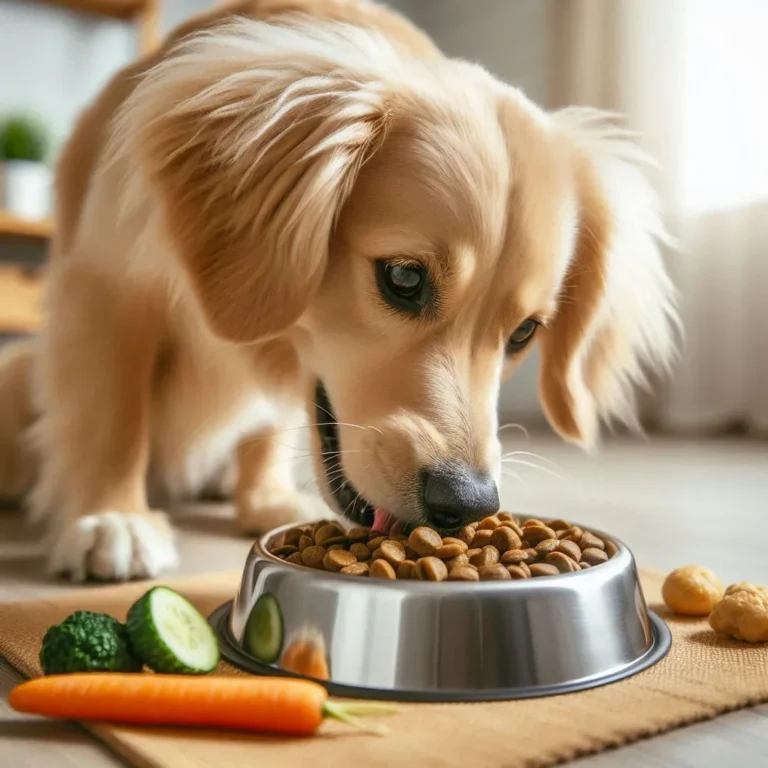
Proper nutrition is the foundation of a healthy puppy. Puppies require a higher protein and calorie density than adult dogs because they are building muscle, bones, and organs. The American Veterinary Medical Association (AVMA) recommends feeding a commercial puppy formula that meets the Association of American Feed Control Officials (AAFCO) nutrient profile for growth.
- Age 0–4 weeks: Continue nursing or use a high‑quality puppy milk replacer. If you’re feeding a commercial puppy food, mix it with water or a puppy milk replacer to create a thin consistency.
- Age 4–8 weeks: Transition to a small‑bowl, high‑protein puppy kibble. Feed 3–4 small meals per day.
- Age 8–12 weeks: Increase to 3 meals per day. Monitor weight gain; puppies should gain about 1–1.5 % of their body weight per day.
- Age 3–6 months: Shift to 2–3 meals per day. Use a kibble that supports joint health (glucosamine, chondroitin).
- Age 6–12 months: Reduce to 2 meals per day. Continue a balanced puppy diet until the dog reaches 80–90 % of its mature weight.
- After 12 months: Transition to an adult dog diet. Adjust portions based on activity level and body condition.
Always provide fresh water and avoid over‑feeding treats. Treats should make up no more than 10 % of daily caloric intake. For detailed feeding charts, consult the AVMA or your veterinarian.
2. Puppy Training: Building Good Habits Early
Training is not just about obedience; it’s about communication and safety. Start training as soon as your puppy arrives home, using positive reinforcement techniques. Consistency, patience, and short, frequent sessions (5–10 minutes) are key.
Basic Commands
Teach foundational commands such as sit, stay, come, and heel by week 8. Use treats, praise, and a clicker if you prefer. The American Kennel Club offers excellent tutorials on basic obedience.
House‑Training
Establish a consistent bathroom routine. Take your puppy outside every 2–3 hours, after meals, naps, and play sessions. Reward immediately after a successful elimination. Most puppies are house‑trained by 4–6 months.
Socialization
Expose your puppy to a variety of people, animals, sounds, and environments between 3 and 12 weeks. Controlled socialization reduces fear and aggression later in life. The WHO emphasizes early socialization for mental health.
3. Vaccination Schedule: Protecting Your Puppy’s Future
Vaccinations are critical for preventing infectious diseases that can be fatal or cause lifelong complications. The core vaccines for puppies include distemper, parvovirus, adenovirus, and rabies. Non‑core vaccines (e.g., bordetella, leptospirosis) depend on lifestyle and geographic risk.
Core Vaccines
• Distemper, Parvovirus, Adenovirus (DHPP/DAPP): First dose at 6–8 weeks, then boosters every 3–4 weeks until 16 weeks.
• Rabies: First dose at 12–16 weeks, then a 1‑year booster, followed by a 3‑year booster per state regulations.
Non‑Core Vaccines
• Bordetella (Kennel Cough): Recommended for puppies that will attend daycare or dog parks.
• Leptospirosis: Consider if your puppy lives near standing water or farms.
Always discuss your puppy’s specific risk factors with your veterinarian. The CDC provides up‑to‑date guidelines on canine vaccination.
4. Integrating Feeding, Training, and Vaccination: A Practical Timeline
Below is a month‑by‑month snapshot that aligns feeding, training, and vaccination milestones. Use this as a flexible framework; individual puppies may vary.
- 0–4 weeks: Nursing or milk replacer; first DHPP dose; basic socialization.
- 4–8 weeks: Transition to kibble; start sit/stay training; second DHPP dose.
- 8–12 weeks: 3 meals/day; house‑training; first rabies dose; third DHPP dose.
- 12–16 weeks: 2–3 meals/day; advanced commands; booster DHPP; consider non‑core vaccines.
- 4–6 months: 2 meals/day; refine training; monitor weight; maintain vaccination log.
- 6–12 months: Transition to adult diet; continue training; schedule annual wellness exam.
5. Conclusion: Your Puppy’s Health Starts Here
By following a structured feeding plan, consistent training routine, and a timely vaccination schedule, you lay the groundwork for a healthy, well‑behaved dog. Remember, each puppy is unique—consult your veterinarian for personalized advice and adjust the schedule as needed. Start today, and give your puppy the best possible start in life.
Ready to take the next step? Schedule a wellness check with your local vet, download a feeding chart, or join a puppy training class. Your puppy’s future depends on the care you provide now.
Frequently Asked Questions
Q1. What is the recommended feeding schedule for a 2-month-old puppy?
At two months, a puppy should eat three balanced meals per day. Each meal should contain a high‑protein puppy formula that meets AAFCO standards. Monitor weight gain and adjust portions if the puppy is gaining too fast or too slow. Keep fresh water available at all times. This routine supports healthy growth and energy levels.
Q2. How often should I give my puppy treats?
Treats should make up no more than 10% of the puppy’s daily caloric intake. Use them sparingly during training to reinforce good behavior. Choose low‑calorie, puppy‑safe options and avoid sugary or fatty treats. This helps prevent obesity and keeps the diet balanced. Remember to adjust the main meal portions accordingly.
Q3. When should I start basic obedience training?
Begin training as soon as the puppy arrives home, ideally within the first week. By eight weeks, the puppy should be able to learn basic commands like sit, stay, and come. Keep sessions short—five to ten minutes—to match their short attention span. Consistency and positive reinforcement are key. Use treats, praise, or a clicker to reinforce desired behaviors.
Q4. What core vaccines does a puppy need?
Core vaccines include distemper, parvovirus, adenovirus (DHPP/DAPP) and rabies. The first DHPP dose is given at 6–8 weeks, with boosters every 3–4 weeks until 16 weeks. Rabies is typically given at 12–16 weeks, followed by a one‑year booster and then a three‑year booster per state regulations. Non‑core vaccines are added based on lifestyle and risk factors. Always discuss a vaccination plan with your veterinarian.
Q5. How many times per week should I take my puppy for vet check‑ups?
Initial visits are scheduled at 6–8 weeks, then at 10–12 weeks, and again at 16 weeks for boosters. After that, a yearly wellness exam is recommended. If the puppy has special health concerns, your vet may suggest more frequent visits. Regular check‑ups help catch issues early and keep vaccinations up to date. Keep a log of all appointments for reference.