Preparing Your Small Pet’s Cage for Seasonal Changes
Small pet owners often focus on food and enrichment, but the shelter they provide is just as vital—especially as the seasons shift. Temperature swings, light changes, and humidity variations can all influence a hamster’s heat‑loss, a guinea pig’s respiration, or a bird’s feather health. By learning how to prepare your cage for each season, you can reduce stress, prevent illness, and keep your companion thriving all year round.
Understanding Temperature Needs for Small Pets
Every species has an optimal temperature range—anything outside limits can trigger chronic stress or acute illness. Below are key points that apply to most small pets, from rodents to birds:
- Heat retention vs. dissipation: Small animals lose about 8–10 % of body heat per meter of distance from a heat source. A wire cage without insulation forces rapid heat loss.
- Metabolic rate: Hibernating species like hamsters have a lower basal metabolic rate, so they feel cold faster than, say, rabbits.
- Humidity tolerance: Guinea pigs (Cavia porcellus) are susceptible to respiratory infections in dry winter air, whereas certain reptiles require high humidity.
Referencing data from PetMD, average maintenance temperatures are:
- Hamsters: 20‑24 °C (68‑75 °F)
- Guinea pigs: 18‑24 °C (65‑75 °F)
- Rabbits: 18‑22 °C (64‑72 °F)
- Small birds: 20‑24 °C (68‑75 °F)
Adapting cage design to these ranges is the first step.
Factors Affecting Heat Regulation
| Factor | Impact | Seasonal Tip |
| Cage material | Metal: conducts heat; wood: insulates | Use a wooden add‑on for winter; replace wire sections with mesh for summer ventilation |
| Cage location | Sunlight: direct heat; window: cold drafts | Place wire cages near windows in winter; move to shaded spots in summer |
| Flooring | Concrete: cold; rug: warm | Add a fleece rug in winter; use a cork mat that drains moisture in summer |
Preparing Your Cage for Winter: Key Steps
Winter brings lower ambient temperatures, shorter daylight hours, and dry air. Address these by:
1. Insulate the Structure
- Wrap the cage: Use bubble wrap or a plastic cooling blanket (deployed in reverse) to reduce radiative cooling.
- Add a lid: A heavy, insulated lid prevents drafts and retains body heat.
2. Maintain a Reliable Heat Source
- Heaters: Use a low‑wattage infrared heating pad. Always place the pad on a separate square of bedding to avoid overheating.
- Thermostat control: Set a controller to trigger heating when the temperature drops below 21 °C to prevent thermostat abuse.
- Dangers: Never place lights or heaters directly on cage walls—it can scorch fur.
3. Counter Dry Air
- Humidifiers: Place a humidifier in the room. A 30‑50 % relative humidity zone is optimal.
- Misting: Lightly mist a cleaner fish or a water dish in the cage to increase ambient moisture.
4. Bedding Adjustments
- High‑absorbent bedding: Use cedar-free wood shavings that absorb heat. Avoid paper or synthetic packs that dry out quickly.
- Layering: Add thick, soft bedding on top (e.g., aspen fiber) for additional insulation.
5. Validate Safety
- Check connections: Ensure all wires and cords have insulation rated for low temperatures.
- Observe behavior: If the pet crouches excessively or shows lethargy, move to a warmer spot or consult a vet.
Preparing Your Cage for Summer: Keeping Cool
Heat stress, dehydration, and solar overexposure are main concerns in summer. Mitigate them with:
1. Increase Ventilation
- Replace wire: Swap out horizontal bars with raised mesh or a screen lid.
- Open the lid: Slight gaps allow airflow, but avoid open cages that expose rodents to predators.
2. Adopt Cooling Mats
- Gel pads: Place a cooling gel mat under the heat‑resetting cage floor. It absorbs heat during the day and releases it at night.
- Shaded hangar: Suspended cages should hang under a canopy or shade cloth to block direct rays.
3. Precise Lighting
- LED light strips: Use bulb-only lighting that does not heat the cage. Program a 12‑hr photoperiod to maintain circadian rhythms.
- UV‑B: Some birds need UV‑B for calcium metabolism; provide a shade‑protected UV lamp.
4. Hydration Management
- Water texture: Provide water in shallow dishes or hydro‑flow fountains. Check daily for contamination.
- Food moisture: Nuts, seeds, and fresh veggies add natural body water.
5. Bedding Choice
- Moisture‑absorbing mats: Use aspen bedding; it crumples when wet, reducing heat buildup.
- Clean routine: Replace bedding every 3 days to keep the habitat dry.
Seasonal Adjustments for Specific Pets
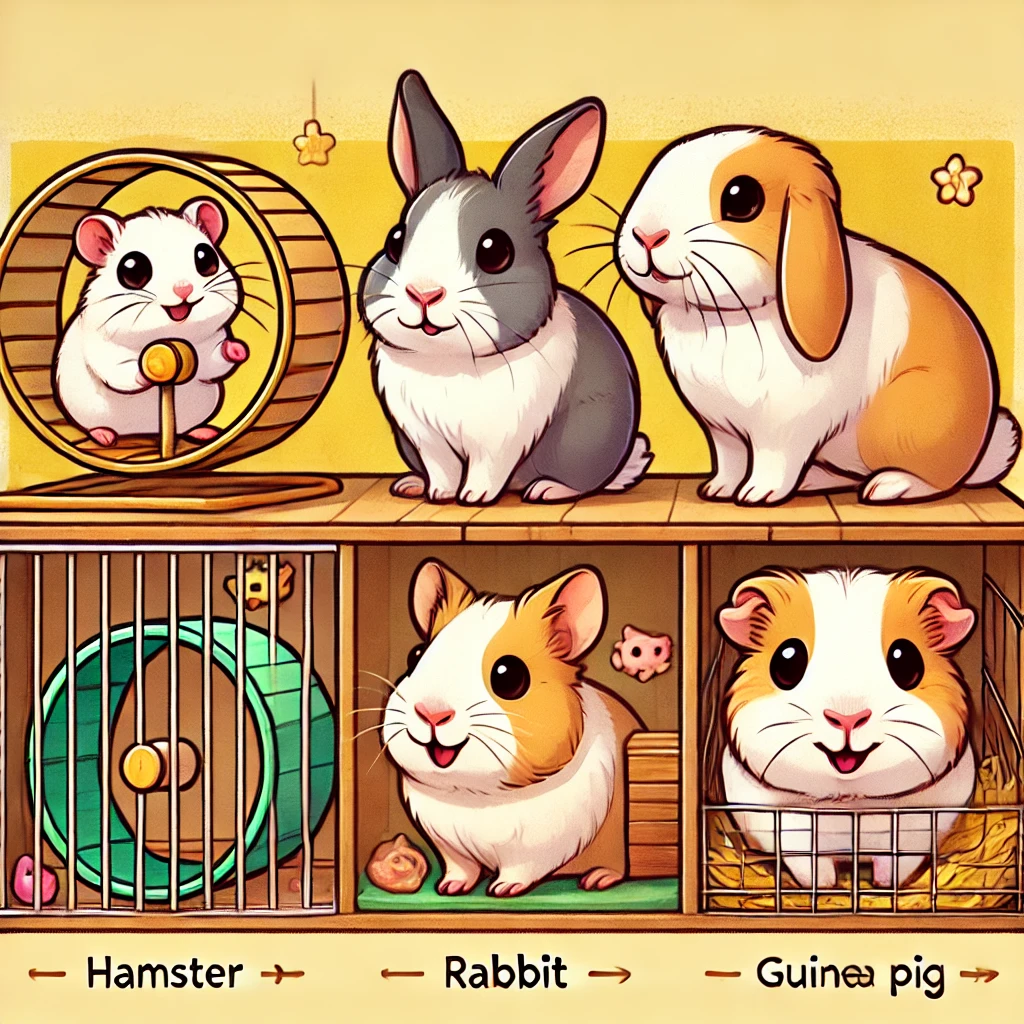
Hamsters
- Winter: Add a bald eye accessory or extra nesting material to keep at the top of the cage.
- Summer: Place a small ventilated pool for swimming (e.g., a shallow bowl with a rim). It can lower core body temperature.
Guinea Pigs
- Winter: Use a “band” cord to create a small ‘tunnel’ for extra warmth.
- Summer: Ensure all food is chopped; reduce sorted seed mix; provide leafy greens that contain water.
Rabbits
- Winter: Offer a thick straw bed. Keep the cage in a rap scottles plus a heat source like a rabbit‑safe lamp.
- Summer: Deploy a fan directly under the underside of the cage’s roof to keep air moving.
Small Birds
- Winter: Install a heat‑safe feather‑conditioner, e.g., a shaggy fleece pillow or a small caged pond.
- Summer: Add a misting fan and provide a shade tree or fake perches that reduce sun exposure.
Hygiene and Maintenance Across Seasons
Maintaining a clean cage reduces infection risk—especially during temperature stresses.
- Weekly cleaning: Remove all bedding, wash all cage parts in warm soapy water, rinse thoroughly.
- Disinfecting: Use a low‑toxic disinfectant (e.g., 70 % isopropyl alcohol diluted 1:10) every two weeks.
- Ventilation: Keep the room well‑ventilated, but avoid drafts that can shock the animal.
- Air filtration: For pets with respiratory issues, a HEPA filter in the room can reduce airborne pollen and dander.
Monitoring Your Pet’s Well‑Being
Observe these indicators to spot early signs of stress or illness:
- Food intake: A sudden drop can signal temperature discomfort.
- Behavioral changes: Excessive lethargy, hiding, or over‑grooming are red flags.
- Physical signs: Dry nasal passages, nosebleeds, or blistering around the mouth indicate heat stress.
- Temperature logs: Use a thermometer to record ambient and cage temperatures daily.
Armed with observations, you can prompt timely adjustments before problems worsen.
Quick Reference Checklist
| Season | Key Actions | Backup Plan |
| Winter | • Wrap cage | Place inside a heated room
| | • Use heater + thermostat | Move cage to a south‑facing window
| | • Add humidifier | Use a moisture‑absorbing mat |
| | • Check bedding daily | Replace bedding if damp |
| Summer | • Increase ventilation | Use a heat‑proof fan
| | • Employ cooling mats | Create a shaded enclosure
| | • Provide daily fresh water | Use watertight small bowls |
| | • Monitor temperature | Use a mobile app to log shifts |
Conclusion
Seasonal changes can be both a challenge and an opportunity to improve the health of your small pet. By intentionally designing your cage to buffer against temperature swings, humidity variations, and light changes, you’ll give your companion a stable, comfortable environment and reduce the risk of seasonal illness. Apply the tips above, observe your pet closely, and adjust as needed. Your diligence will pay off in long, joyful companionship.
Ready to make your cage a seasonal sanctuary? Share your own seasonal hacks in the comments, subscribe for more pet‑care wisdom, and keep your furry or feathered friend happy all year long!