Preparing Your Bird for Its First Vet Visit
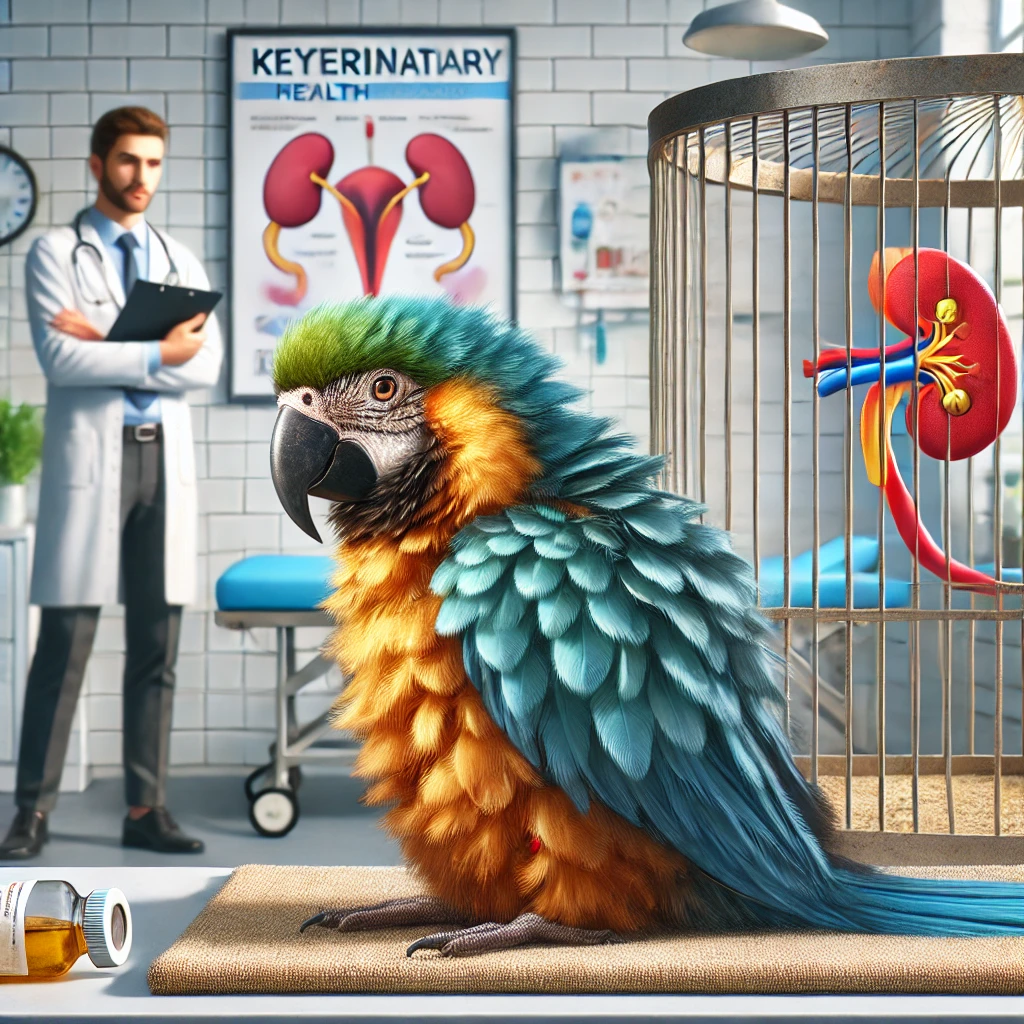
Bringing a new bird into your home is an exciting experience, but ensuring its health and well-being is a top priority. One of the most crucial steps in caring for your feathered companion is scheduling its first vet visit. However, many bird owners are unsure how to prepare for this initial consultation. In this blog post, we’ll guide you through everything you need to know to make your bird’s first vet visit a success.
Why a Bird’s First Vet Visit Is Important
Birds are unique pets with specific health needs. Unlike dogs or cats, birds can hide signs of illness until it’s too late, making regular vet visits essential. A first vet visit is not just about checking for sickness; it’s also an opportunity to establish a baseline for your bird’s health and build a relationship with an avian-savvy veterinarian.
A first vet visit can help:
- Detect any underlying health issues early.
- Ensure your bird is properly vaccinated (if applicable).
- Provide guidance on diet, environment, and behavior.
- Reduce your bird’s stress during future vet visits by acclimating it to the process.
How to Choose the Right Veterinarian for Your Bird
Not all veterinarians are equipped to care for birds. Birds require specialized care, so it’s crucial to find an avian-savvy vet. Here’s how to choose the right one:
1. Look for Avian Certification
Many veterinarians specialize in avian medicine. Look for certifications like those from the Association of Avian Veterinarians (AAV) or the American Board of Veterinary Practitioners (ABVP) in avian practice.
2. Ask for Referrals
Reach out to other bird owners, bird breeders, or local pet stores for recommendations. They can provide firsthand feedback on veterinarians with experience in avian care.
3. Check Online Reviews
Research local veterinarians online. Pay attention to reviews from other bird owners and ensure the clinic has the necessary equipment and experience to handle birds.
4. Call Ahead
Before scheduling, call the clinic to ask questions about their experience with birds, their approach to avian care, and the services they offer.
How to Prepare Your Bird for the Vet Visit
Preparation is key to ensuring your bird’s first vet visit goes smoothly. Here are the steps you should take:
1. Understand Your Bird’s Behavior
Birds are naturally stressed by new environments, so it’s important to monitor your bird’s behavior and keep it calm during the preparation process. If your bird is particularly skittish, consider gradual desensitization to the carrier or travel.
2. Use a Safe Carrier
Transporting your bird in a secure, well-ventilated carrier is essential. Choose a carrier that’s large enough for your bird to stand comfortably but small enough to reduce movement during transport. You can find specialized avian carriers at pet supply stores.
3. Gather Necessary Information
Your veterinarian will need as much information as possible to assess your bird’s health. Before the visit, make a list of:
- Your bird’s species, age, and sex.
- Any previous health issues or treatments.
- Your bird’s diet, including the types of food and supplements it’s eating.
- Changes in behavior, droppings, or feather condition.
- Any signs of illness, such as labored breathing, lethargy, or plucking.
4. Collect a Dropping Sample
If possible, bring a fresh sample of your bird’s droppings for the vet to analyze. This can help detect parasites, infections, or other health issues.
5. Keep Your Bird Calm
Stress can exacerbate any underlying health issues in birds. To keep your bird calm during the visit:
- Avoid handling your bird excessively before the visit.
- Place a familiar toy or perch in the carrier to provide comfort.
- Keep the carrier covered during transport to reduce visual stress.
What Happens During a Bird’s First Vet Visit?
Understanding what to expect during the first vet visit can reduce your anxiety and make the process easier for both you and your bird. Here’s a general outline of what happens:
1. Initial Consultation
The vet will start by asking you questions about your bird’s history, diet, and behavior. Be prepared to provide detailed answers.
2. Physical Examination
The vet will perform a thorough physical exam to check for signs of illness or injury. This may include weighing your bird, examining its eyes, beak, and feathers, and listening to its breathing.
3. Testing and Diagnostics
Depending on your bird’s condition, the vet may recommend tests such as blood work, fecal exams, or X-rays.
4. Recommendations and Next Steps
Based on the exam and test results, the vet will provide guidance on diet, habitat, and any necessary treatments or follow-up care.
Tips for a Successful First Vet Visit
- Schedule the Visit During a Quiet Time: Choose a time when the clinic is less busy to minimize stress on your bird.
- Keep the Visit Short: If this is your bird’s first vet visit, the vet may keep the initial consultation brief to avoid overwhelming your bird.
- Be Prepared to Ask Questions: Use the visit as an opportunity to learn about your bird’s care and address any concerns you have.
Checklist for Your Bird’s First Vet Visit
Here’s a quick checklist to ensure you’re fully prepared:
- Carrier and accessories: Use a secure, well-ventilated carrier with a familiar toy or perch.
- Information: Bring a list of your bird’s history, diet, and any signs of illness.
- Dropping sample: Collect a fresh sample for analysis.
- Questions: Write down any questions or concerns you have for the vet.
- Transport: Plan your route in advance to minimize travel time.
Conclusion: Healthy Birds, Happy Homes
Preparing your bird for its first vet visit is an important step in ensuring its long-term health and well-being. With the right preparation and a knowledgeable vet, the experience can be stress-free for both you and your feathered friend. Remember, regular vet visits are essential for maintaining your bird’s health and catching potential issues early.
If you haven’t already, schedule your bird’s first vet visit today and take the first step toward a happy, healthy life together. For more information on avian care, visit Wikipedia’s guide on bird health.
Don’t forget to share this post with other bird enthusiasts to help them prepare their feathered friends for a successful vet visit!ρείν