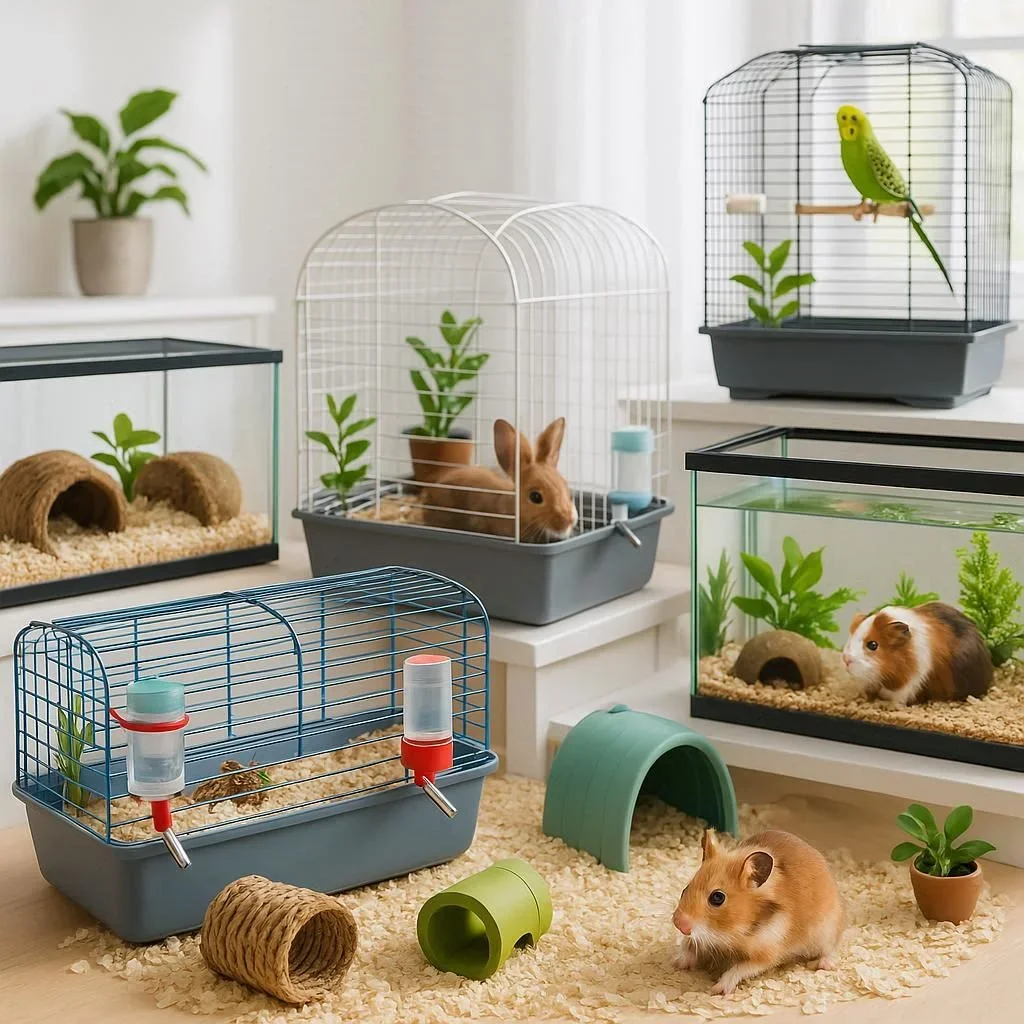
Preparing for Seasonal Changes with Pets
As the seasons change, so do the needs of our furry friends. Whether it’s the scorching heat of summer or the freezing cold of winter, each season brings its own set of challenges for pet owners. Ensuring that your pets are well-prepared for these seasonal shifts is crucial for their health, comfort, and happiness. In this blog post, we’ll explore how you can prepare your pets for the changing seasons and keep them safe and healthy all year round.
Understanding Seasonal Changes and Their Impact on Pets
Seasonal changes can affect pets in various ways, from their physical health to their mental well-being. For instance, the heat of summer can lead to dehydration and heatstroke in pets, while the cold of winter can cause frostbite and hypothermia. Additionally, seasonal allergies, flea infestations, and the presence of certain pests can pose threats to your pet’s health. Understanding these risks and taking proactive measures can help you keep your pets safe and comfortable throughout the year.
Spring Preparation
Spring is a time of renewal, but it also brings its own set of challenges for pets. As the weather warms up, your pet may be more inclined to spend time outdoors, which increases the risk of encountering pests like fleas, ticks, and mosquitoes. Here are some tips to help you prepare your pet for the spring season:
- Flea and Tick Prevention
Fleas and ticks are rampant during the spring months, and they can cause significant discomfort for your pet. These parasites can also transmit diseases like Lyme disease and typhus. To protect your pet, use a reliable flea and tick prevention medication. You can choose from a variety of options, including topical treatments, oral medications, and flea collars. Consult with your veterinarian to determine the best option for your pet.
- Heartworm Prevention
Mosquitoes, which are also prevalent in the spring, can transmit heartworms to your pet. Heartworms are parasitic worms that can cause serious health issues in pets, including respiratory problems, heart failure, and even death. To protect your pet, use a heartworm prevention medication as prescribed by your veterinarian.
- Spring Cleaning
As the weather warms up, you may be inclined to do some spring cleaning. However, many cleaning products contain toxic chemicals that can be harmful to your pet. Keep all cleaning supplies out of your pet’s reach, and consider using pet-safe cleaning products whenever possible.
- Gardening Hazards
If you’re planning to do some gardening in the spring, be aware of the potential hazards that certain plants and chemicals can pose to your pet. For example, lilies, sago palms, and certain types of mushrooms can be toxic to pets. Additionally, fertilizers, pesticides, and herbicides can also be harmful if ingested. Keep these items out of your pet’s reach, and consider creating a pet-safe garden.
Summer Preparation
Summer is a great time to enjoy the outdoors with your pet, but the heat can pose significant risks to their health. Here are some tips to help you prepare your pet for the summer season:
- Heat Safety
The heat of summer can be dangerous for pets, especially if they are left in hot cars or without adequate shelter. Never leave your pet in a hot car, as the temperature inside a car can rise rapidly, even with the windows cracked. Always provide your pet with shade and fresh water when they are outdoors.
- Hydration
Proper hydration is essential for your pet’s health, especially during the hot summer months. Ensure that your pet always has access to fresh, clean water. You can also consider adding a water bowl to your yard or patio to encourage your pet to drink more.
- Sun Protection
Just like humans, pets can suffer from sunburn and skin damage caused by the sun’s harmful rays. To protect your pet’s skin, consider applying a pet-safe sunscreen to their ears, nose, and any areas where their fur is thin. You can also provide your pet with a shaded area to rest in when they are outdoors.
- Vacation Planning
If you’re planning a summer vacation, you’ll need to make arrangements for your pet’s care. Whether you’re taking your pet with you or leaving them at home, it’s important to plan ahead. Research pet-friendly accommodations if you’re taking your pet, and make sure your pet has all the necessary vaccinations and documentation. If you’re leaving your pet at home, hire a reputable pet sitter or ask a trusted friend or family member to care for them.
Fall Preparation
As the weather cools down in the fall, there are still several things you can do to ensure your pet’s health and safety. Here are some tips to help you prepare your pet for the fall season:
- Adjustment to Cooler Weather
After spending time outdoors in the heat of summer, your pet may need some time to adjust to the cooler weather of fall. Gradually reduce the amount of time your pet spends outdoors if they are not used to cooler temperatures. You can also provide them with a warm blanket or bed to help them stay comfortable.
- Halloween Safety
Halloween can be a fun and festive holiday, but it can also pose several risks for pets. For example, chocolate, candy, and other treats can be toxic to pets. Additionally, costumes, decorations, and loud noises can cause stress and anxiety in pets. To keep your pet safe, keep all Halloween treats and decorations out of their reach, and consider providing them with a quiet, comfortable space to relax in during the festivities.
- parasite control
While fleas and ticks are more prevalent in the spring and summer, they can still pose a risk in the fall. continues to be important to protect your pet from these parasites. Use a reliable flea and tick prevention medication, and check your pet regularly for any signs of infestation.
- Diet and Nutrition
As the weather cools down, your pet’s dietary needs may change. Consult with your veterinarian to determine if your pet’s diet needs to be adjusted to ensure they are getting all the nutrients they need. Additionally, avoid feeding your pet table scraps, as many human foods can be harmful to pets.
Winter Preparation
Winter can be one of the most challenging seasons for pets, as the cold weather and lack of daylight can affect their health and well-being. Here are some tips to help you prepare your pet for the winter season:
- Providing Adequate Shelter
If your pet spends time outdoors, it’s important to provide them with adequate shelter from the cold. Consider providing them with a warm, dry place to rest, such as a doghouse or a covered patio. Make sure their shelter is equipped with a warm bed or blanket and is protected from wind and moisture.
- Protection from the Cold
Pets can suffer from hypothermia and frostbite just like humans. To protect your pet from the cold, limit their time outdoors during extreme cold snaps, and ensure they have access to a warm, sheltered area. You can also consider providing them with a coat or sweater to help keep them warm when they are outdoors.
- Skin Care
The dry air and cold temperatures of winter can cause your pet’s skin to dry out and become irritated. To help keep your pet’s skin healthy, consider using a humidifier in your home to add moisture to the air. You can also apply a pet-safe moisturizer to their skin to prevent dryness and irritation.
- Holiday Safety
The winter holiday season can be a time of joy and celebration, but it can also pose several risks for pets. For example, decorations like lights, tinsel, and ornaments can be hazardous if ingested. Additionally, certain holiday foods, such as chocolate, alcohol, and grapes, can be toxic to pets. To keep your pet safe, keep all holiday decorations and treats out of their reach, and consider providing them with pet-safe alternatives.
Regular Health Checks and Vet Visits
Regardless of the season, regular health checks and vet visits are essential for maintaining your pet’s health and well-being. During these visits, your veterinarian can monitor your pet’s health, provide necessary vaccinations, and offer advice on how to keep them safe and healthy throughout the year. Additionally, if you notice any changes in your pet’s behavior, appetite, or physical condition, it’s important to seek veterinary care promptly.
Conclusion
Preparing for seasonal changes with pets requires careful planning and attention to detail. By understanding the risks associated with each season and taking proactive measures to protect your pet’s health and safety, you can help ensure that they remain comfortable and happy all year round. Remember to always consult with your veterinarian for personalized advice on caring for your pet during the changing seasons.
By following these tips and staying vigilant, you can help your furry friend navigate the seasonal changes with ease and enjoy every moment together.