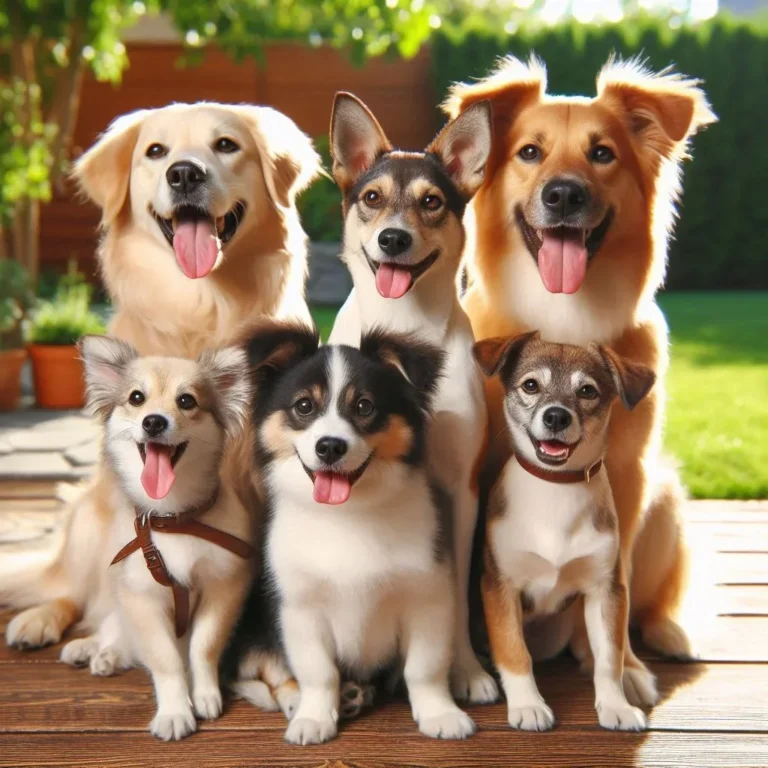
Popular American Dog Breeds Guide
When you start searching for the Popular American Dog Breeds Guide, the sheer variety of lovable companions can feel overwhelming. To simplify the decision, this article breaks down the most beloved breeds based on temperament, health, and adaptability to different lifestyles. Whether you live in a bustling city apartment or a spacious suburban yard, understanding the characteristics of each breed helps you make an informed, lifelong commitment.
Why These Breeds Dominate the Popular American Dog Breeds List
All five breeds highlighted here consistently rank at the top of the American Kennel Club popularity charts. Their success stems from a blend of friendly disposition, trainability, and a reputation for being family‑friendly dogs. Over the decades, these breeds have become cultural icons, appearing in movies, television, and even serving as official mascots for various public institutions.
Labrador Retriever: A Staple of Popular American Dog Breeds
The Labrador Retriever remains the reigning champion of the Popular American Dog Breeds Guide. Known for its gentle nature and eagerness to please, the Labrador thrives in both active households and quieter environments. Their intelligence makes them exceptional service dogs, while their love of water and retrieving instincts keep them engaged in games of fetch. According to the Wikipedia entry on Labrador Retrievers, this breed’s average lifespan ranges from 10 to 12 years, and they are generally healthy with proper nutrition and regular veterinary care.
Golden Retriever: Beloved Member of Popular American Dog Breeds
Golden Retrievers share many traits with Labs, but they add an extra layer of affectionate calmness that makes them ideal for families with children. Their glossy, golden coats require regular grooming, but the payoff is a loyal companion that excels in therapy work and obedience competitions. The Golden Retriever Wikipedia page notes that the breed scores high on the “friendliness” factor in temperament surveys conducted by veterinary schools.
German Shepherd: Versatile Star of Popular American Dog Breeds
German Shepherds bring a blend of courage, intelligence, and protectiveness to the Popular American Dog Breeds Guide. Originally bred for herding, they have evolved into elite police, military, and search‑and‑rescue dogs. Their strong work ethic means they need mental stimulation and daily exercise; without it, they can become bored and develop destructive habits. The breed’s health profile, detailed on Wikipedia, highlights a predisposition to hip dysplasia, underscoring the importance of early screening.
Bulldog: Iconic Figure in Popular American Dog Breeds
The English Bulldog’s unmistakable wrinkled face and stocky build make it instantly recognizable. Despite a reputation for stubbornness, Bulldogs are genuinely gentle and thrive in low‑energy households. Their short muzzle can cause breathing challenges, so owners must monitor temperature and avoid excessive heat. The Bulldog Wikipedia article explains that regular skin care and weight management are crucial to prevent skin infections and joint strain.
Beagle: Energetic Companion in Popular American Dog Breeds
Beagles are small‑to‑medium hounds with an infectious curiosity and an iconic howl. Their keen sense of smell makes them excellent detection dogs, while their compact size fits well in apartments. However, Beagles love to follow scents, so secure fencing or a leash is vital. Health insights from the Beagle Wikipedia page note a higher incidence of epilepsy, emphasizing the need for regular veterinary check‑ups.
Key Factors When Choosing from the Popular American Dog Breeds
Before adopting any of these top breeds, consider the following criteria to match your lifestyle:
- Activity level: Do you enjoy daily runs, or prefer leisurely walks?
- Living space: Is your home equipped with a yard or is it an apartment?
- Allergies: Some breeds shed more than others; hypoallergenic options may be needed.
- Time commitment: Training, grooming, and exercise vary widely among breeds.
- Budget: Consider costs for food, veterinary care, and grooming supplies.
Training Tips for All Popular American Dog Breeds
Regardless of breed, basic obedience training establishes a foundation for a well‑behaved companion. Positive reinforcement—using treats, praise, and play—yields the best results. Enroll in a certified class through the Association of Professional Dog Trainers for structured learning. Consistency, short daily sessions, and early socialization with people and other dogs are proven methods to reduce fear‑based behaviors.
Health Maintenance Across the Popular American Dog Breeds
Routine veterinary visits are essential for early detection of breed‑specific issues. Vaccinations, flea and tick prevention, and dental care form the core of preventive health. For large breeds like Labrador Retrievers and German Shepherds, joint supplements may help mitigate arthritis later in life. Small breeds such as Bulldogs benefit from weight monitoring and skin care.
Ready to welcome a new member from the Popular American Dog Breeds Guide into your home? Start your search today, connect with reputable shelters, and give a deserving dog the loving family it deserves.
Frequently Asked Questions
Q1. Which American dog breed is best for families with kids?
The Labrador Retriever and Golden Retriever are top choices because of their gentle temperament, patience, and love for play. Both breeds are known for being friendly, adaptable, and protective without being aggressive. They also respond well to training, making them reliable companions for children.
Q2. Do any of the popular breeds require special health care?
Yes. Bulldogs often need skin and respiratory monitoring due to their brachycephalic face, while German Shepherds are prone to hip dysplasia and benefit from early joint screening. Beagles have a higher incidence of epilepsy, so regular veterinary check‑ups are advised.
Q3. Can these breeds thrive in apartment living?
Beagles and Bulldogs adapt well to smaller spaces if given regular walks and mental stimulation. Labrador and Golden Retrievers need more exercise, so a nearby park or daily runs are essential. German Shepherds can live in apartments but require ample daily activity to prevent boredom.
Q4. How much grooming does a Golden Retriever need?
Golden Retrievers have a dense, double coat that sheds heavily year‑round and seasonally. Weekly brushing helps reduce shedding and prevents matting, while occasional baths keep the coat clean. Regular ear cleaning and dental care are also important.
Q5. What training method works best for these breeds?
Positive reinforcement using treats, praise, and play is effective across all five breeds. Consistent short sessions, early socialization, and professional classes from certified trainers reinforce good behavior. Avoid harsh corrections, as they can cause fear or aggression.