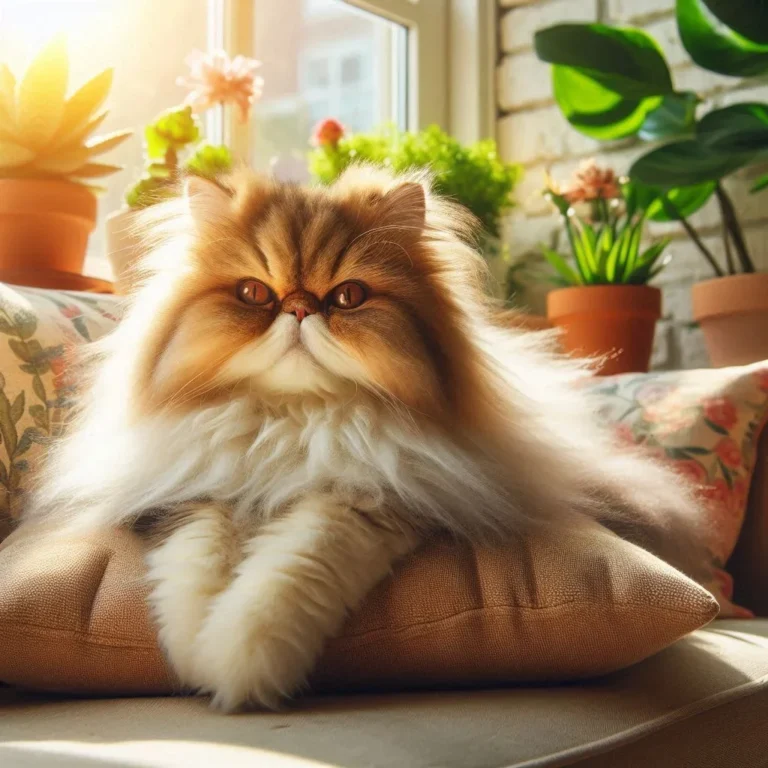
Play Improves Feline Health
Every cat owner knows that a bored cat can become a mischievous one, but the science behind why play improves feline health goes far beyond simple entertainment. Recent studies from veterinary schools and animal‑behavior researchers show that regular, targeted play sessions help prevent obesity, reduce stress‑related illnesses, and even strengthen the emotional bond between cat and caregiver. By understanding the physiological and psychological mechanisms at work, you can design play routines that keep your cat lean, agile, and mentally sharp, ultimately extending its lifespan and quality of life.
How Play Improves Feline Health Physically
Physical activity is a cornerstone of healthy cat development. Domestic cats ( Domestic cat ) have evolved as ambush predators, relying on short bursts of intense movement rather than long‑distance running. When you encourage your cat to chase a feather wand or pounce on a laser dot, you are mimicking natural hunting behavior, which triggers several beneficial physiological responses:
- Muscle tone and joint flexibility – Repetitive sprinting and leaping activate fast‑twitch muscle fibers, preserving lean body mass and preventing muscular atrophy common in indoor‑only cats.
- Cardiovascular health – Elevated heart rate during play improves blood circulation, helping to maintain healthy blood pressure and reducing the risk of feline heart disease.
- Weight management – Regular play burns calories and helps regulate metabolism, a key factor in preventing obesity, which the American Veterinary Medical Association identifies as a major contributor to diabetes and arthritis in cats.
Veterinary researchers at the Cornell Feline Health Center have documented that cats engaging in at least 15 minutes of interactive play daily show statistically significant reductions in body condition scores compared with sedentary counterparts. The key is consistency: short, frequent sessions (5‑10 minutes, 2‑3 times per day) are more effective than one long session, mirroring a cat’s natural hunting pattern.
How Play Improves Feline Health Mentally
Beyond the obvious physical gains, play is a powerful mental stimulant. Cats are intelligent creatures that require problem‑solving opportunities to stay cognitively healthy. When a cat chases a moving toy, it must calculate distance, speed, and timing, exercising the brain’s frontal cortex. This mental workout offers several health benefits:
- Stress reduction – Engaging play releases endorphins and lowers cortisol levels, which helps mitigate anxiety and prevent stress‑related urinary tract issues.
- Prevention of behavioral problems – Bored cats may develop destructive habits such as scratching furniture or excessive vocalization. Structured play redirects this energy into positive outlets.
- Enhanced learning ability – Regular puzzle play, such as treat‑dispensing toys, improves spatial reasoning and can delay cognitive decline associated with aging.
According to a 2022 review published in the Journal of Feline Medicine and Surgery, cats that participate in enrichment activities demonstrate lower incidences of feline hyperesthesia syndrome, a condition often linked to chronic stress and boredom. Incorporating a mix of interactive toys, puzzle feeders, and occasional novelty (like rotating a new ball into the play rotation) keeps the cat’s brain engaged.
How Play Improves Feline Health Socially
Social interaction is another critical arena where play shines. While cats are often stereotyped as solitary, many develop strong bonds with their human companions and even with other pets. Play serves as a language of affection, reinforcing trust and reducing fear‑based aggression. Benefits include:
- Strengthened owner‑cat relationship – Positive reinforcement during play builds a cat’s confidence and creates a predictable, safe environment.
- Improved inter‑cat dynamics – In multi‑cat households, shared play sessions can reduce territorial disputes and encourage cooperative behavior.
- Reduced loneliness in senior cats – Older cats often experience reduced mobility and sensory decline; gentle play offers a way to stay socially connected without overexertion.
Behaviorists at the ASPCA emphasize that interactive play should be initiated on the cat’s terms. Observing body language—ears forward, tail upright—helps you gauge readiness and avoid overstimulation, which could lead to redirected aggression.
How Play Improves Feline Health at Home
Implementing a balanced play routine does not require expensive equipment. Simple, everyday items can be repurposed into stimulating toys. Below is a practical list of affordable, cat‑friendly play ideas that address both physical and mental needs:
- Feather wand chase – Move the wand erratically to simulate prey movement; this encourages sprinting and jumping.
- Laser pointer darts – Use short bursts and finish with a tangible toy so the cat can achieve a “catch.”
- DIY cardboard maze – Cut holes in a cardboard box and hide treats or toys inside; cats love exploring tight spaces.
- Kick‑the‑ball game – A soft, lightweight ball rolled across the floor promotes rolling and batting.
- Puzzle feeder – Fill a treat‑dispensing puzzle with kibble; the cat must work to retrieve the food, providing mental enrichment.
- Interactive cat apps – Tablet games featuring moving fish or insects can be a low‑impact mental workout, especially for senior cats.
Rotate toys weekly to maintain novelty. Keep a dedicated play area free of hazards, and always supervise laser sessions to prevent eye injury. Remember, the goal is to mimic natural hunting sequences: stalk, pounce, capture, and “eat.”
Conclusion
Play improves feline health in ways that go beyond calorie burning. By integrating regular, varied play into your cat’s daily routine, you support muscular strength, cardiovascular function, mental acuity, and social wellbeing. Start today: set aside just ten minutes after dinner to engage your cat with a feather wand, and watch the transformation in energy, mood, and vitality. For personalized recommendations and to stay updated on the latest feline wellness research, subscribe to our newsletter and join a community of cat lovers dedicated to thriving pets.
Frequently Asked Questions
Q1. How often should I play with my cat?
Most experts recommend short play sessions 2‑3 times a day, lasting 5‑10 minutes each. This mimics a cat’s natural hunting bursts and keeps both muscles and mind active. Consistency is more important than length, so aim for daily variety.
Q2. What types of toys are best for my cat’s physical health?
Interactive toys that encourage chasing, leaping and batting work best – feather wands, laser pointers (ended with a tangible catch), and lightweight balls. Toys that move unpredictably stimulate fast‑twitch muscles and improve joint flexibility.
Q3. Can play help my cat lose weight?
Yes. Regular active play burns calories and boosts metabolism, which can lower a cat’s body condition score. Pairing play with a measured diet is the most effective strategy for safe weight loss.
Q4. How does play reduce my cat’s stress levels?
Play triggers the release of endorphins and lowers cortisol, the stress hormone. Engaging in predatory behavior also provides a mental outlet, decreasing the chance of anxiety‑related problems like spraying or over‑grooming.
Q5. Is it safe to use laser pointers for cats?
Laser pointers are safe when used responsibly – keep sessions brief and always finish with a physical toy the cat can “catch.” This prevents frustration and ensures the cat experiences a successful hunt.