Play Ideas for Indoor Cat
Keeping an indoor cat happy and healthy often feels like a puzzle, but the right play ideas for indoor cat lovers can turn a small apartment into an adventure park. Studies show that environmental enrichment reduces stress‑related behaviors and supports a cat’s natural hunting instincts Cat behavior. This guide blends science‑backed enrichment strategies with creative, low‑cost play ideas that fit any living space.
Understanding Indoor Cat Enrichment
Before diving into specific games, it helps to grasp why enrichment matters. Indoor cats miss out on the sensory richness of the outdoors—prey scents, varied terrain, and unpredictable movement. Replicating these stimuli at home satisfies their predatory drive and promotes mental stimulation ASPCA cat care. An enriched environment lowers the risk of obesity, urinary problems, and behavioral issues such as excessive meowing or scratching.
DIY Toys and Simple Set‑Ups
Many of the best play ideas rely on everyday household items. The goal is to create interactive challenges that encourage stalking, pouncing, and problem‑solving.
- Paper Tube Maze: Cut a long piece of cardboard tube, add cardboard flaps, and hide treats inside. Cats love to investigate the hidden pockets.
- Feather Wand on a String: Attach a feather or a small bell to a sturdy string. Move it erratically to mimic a bird’s flight.
- Ping‑Pong Ball Chase: A lightweight ball rolled across the floor provides endless sprinting opportunities.
- Frozen Catnip Cubes: Freeze catnip‑infused water in ice trays; the melting ice adds an element of surprise.
These DIY options are budget‑friendly and can be rotated weekly to keep novelty high.
Structured Play Sessions
Consistency is key. Schedule two 10‑ to 15‑minute play sessions each day—once in the morning and once in the evening—to match a cat’s natural crepuscular activity pattern. During these sessions, alternate between high‑energy games (like feather wand chase) and slower, puzzle‑based activities (such as treat‑filled puzzle feeders). This balance mirrors the ebb and flow of a hunt, providing both physical exercise and cognitive challenge.
Interactive Puzzle Feeders
Commercial puzzle feeders stimulate problem‑solving while slowing down eating. Look for models endorsed by veterinary schools Cornell Feline Health Center. If you prefer homemade solutions, cut holes in a clean PVC pipe, fill it with kibble, and seal the ends—your cat must rotate the pipe to release the food.
Laser Pointer Play
Laser pointers trigger a cat’s chase instinct, but they can also lead to frustration if the cat never captures a tangible “prey.” End each session by directing the beam onto a physical toy so your cat can experience a successful catch.
Vertical Space and Safe Climbing
Cats are natural climbers. Installing shelves, cat trees, or window perches adds vertical real estate, letting your cat observe the world from a height—a form of environmental enrichment that reduces anxiety. When choosing a perch, ensure it’s securely mounted and can support the cat’s weight. A sturdy cat tree combined with dangling toys creates a multi‑sensory playground.
Window Watching Stations
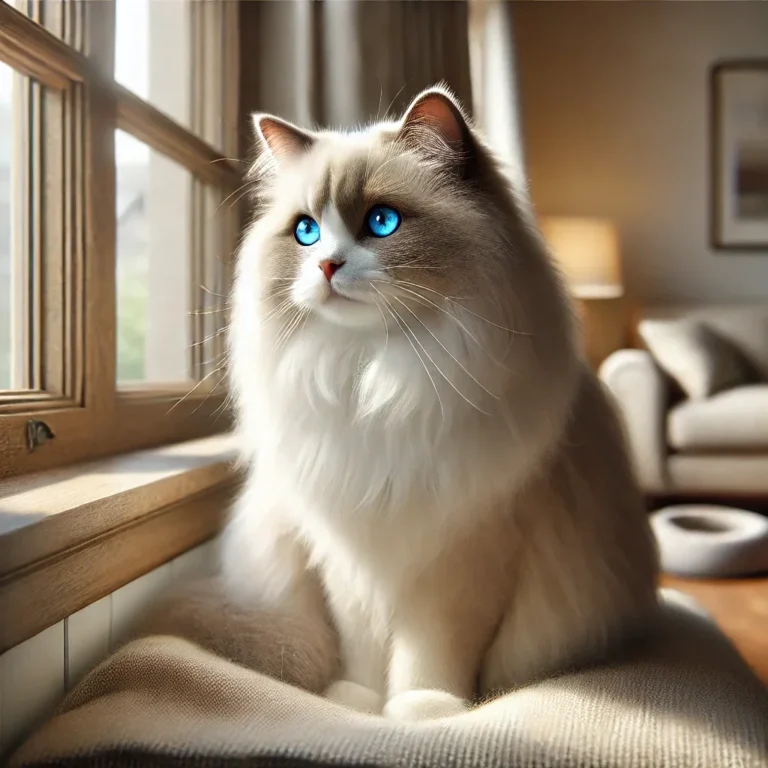
Position a perch near a sunny window and place a bird feeder outside. The sight of fluttering birds or squirrels provides endless entertainment without leaving the home. This simple setup fulfills the cat’s predatory curiosity while encouraging natural resting positions.
Social Play and Bonding
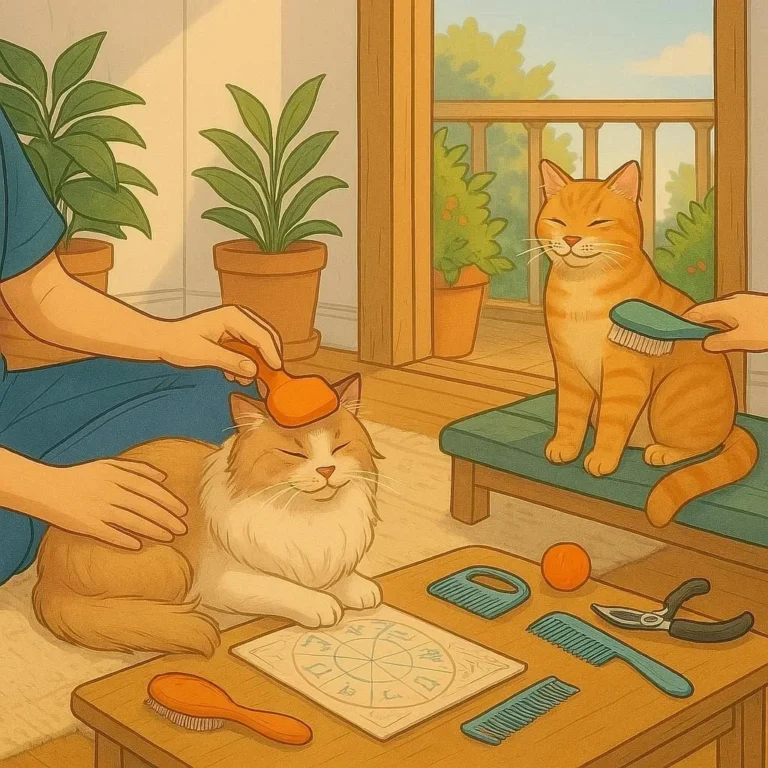
Human interaction is an essential component of indoor play. Gentle grooming, belly rubs, and interactive toys not only strengthen your bond but also provide tactile stimulation. When you actively engage in play, you model calm, confident behavior that can reduce a cat’s fear response to new objects.
- Tag Team Toys: Hand‑held toys that require two people encourage cooperative play and can involve family members.
- Catnip‑Infused Play Mats: Lay a mat with catnip patches and join your cat in rolling or “pouncing” on it.
Monitoring Health and Adjusting Play
Every cat is unique. Observe body language—ears forward, tail relaxed, vocalizations of excitement—and tailor activities accordingly. If your cat shows signs of overstimulation (flattened ears, hissing), give a short break and try a gentler game. Regular veterinary check‑ups ensure that any underlying health issues, such as arthritis, are addressed before increasing activity levels.
Conclusion: Keep the Fun Fresh
Providing a variety of engaging play ideas for indoor cat owners is more than entertainment; it’s a cornerstone of feline wellness. By rotating toys, creating vertical challenges, and scheduling interactive sessions, you nurture your cat’s physical health and mental sharpness. Ready to transform your living room into a feline playground? Start today by setting up one of the DIY toys above and watch your cat’s curiosity roar back to life. For more expert tips on cat enrichment, explore trusted resources like the ASPCA and the Cornell Feline Health Center. Remember, a stimulated indoor cat is a happy, healthy cat—so keep the play ideas fresh and the fun endless!
Frequently Asked Questions
Q1. How often should I play with my indoor cat?
Aim for two short sessions each day, about 10‑15 minutes each, to match a cat’s crepuscular activity pattern. Consistent play helps burn energy, reduces boredom, and reinforces a positive bond. If your schedule is busy, break the time into several quick bursts throughout the day.
Q2. What are cheap DIY toys my cat will love?
Simple items work best: a paper tube maze with hidden treats, a feather attached to a string, ping‑pong balls, and frozen catnip cubes. You can also make puzzle feeders from clean PVC pipes or cardboard boxes with holes. Rotate these toys regularly to keep your cat’s curiosity alive.
Q3. How can I make a laser pointer session satisfying for my cat?
End each laser chase by projecting the dot onto a tangible toy so the cat can “catch” something physical. This prevents frustration from an endless chase. Vary the speed and direction to mimic erratic prey movement, and keep sessions short to avoid overstimulation.
Q4. Why is vertical space important for indoor cats?
Cats are natural climbers and observers; vertical perch points let them survey their environment safely. Providing shelves, cat trees, or window perches satisfies their instinct to be up high, reduces anxiety, and encourages exercise. Securely mounted platforms also give a sense of territory and privacy.
Q5. How do I know if my cat is overstimulated during play?
Signs of overstimulation include flattened ears, twitching tail, sudden hissing, or a quick dash away. If you see these cues, pause the activity and give your cat a calm moment. Switch to gentler games like slow wand strokes or a puzzle feeder to reset the mood.