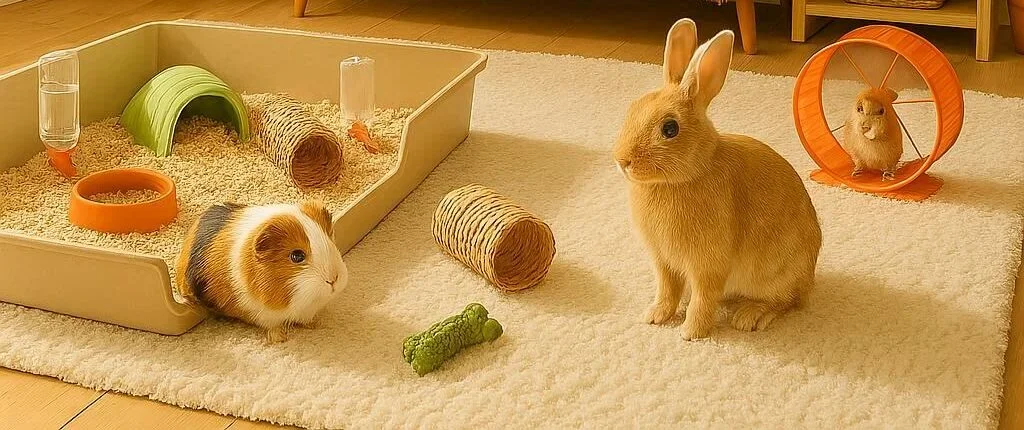
Pets Healthy and Happy Indoors
Keeping your pets healthy and happy indoors requires attention to their physical, mental, and emotional needs. Indoor pets can lead fulfilling lives if provided with the right environment and care. In this post, we’ll explore essential tips to ensure your furry friends stay in top shape and enjoy their life inside your home.
Provide a Nutritious Diet
A balanced and nutritious diet is the cornerstone of your pet’s health. Feeding your pet high-quality food that is appropriate for their age, breed, and health conditions is crucial. Consulting with your veterinarian to determine the best diet for your pet can help prevent obesity and other diet-related issues.
Remember, overfeeding is a common mistake that can lead to weight gain and other health problems. Stick to the recommended feeding portions and avoid giving too many treats. Also, ensure your pet always has access to fresh, clean water.
Create a Safe and Comfortable Environment
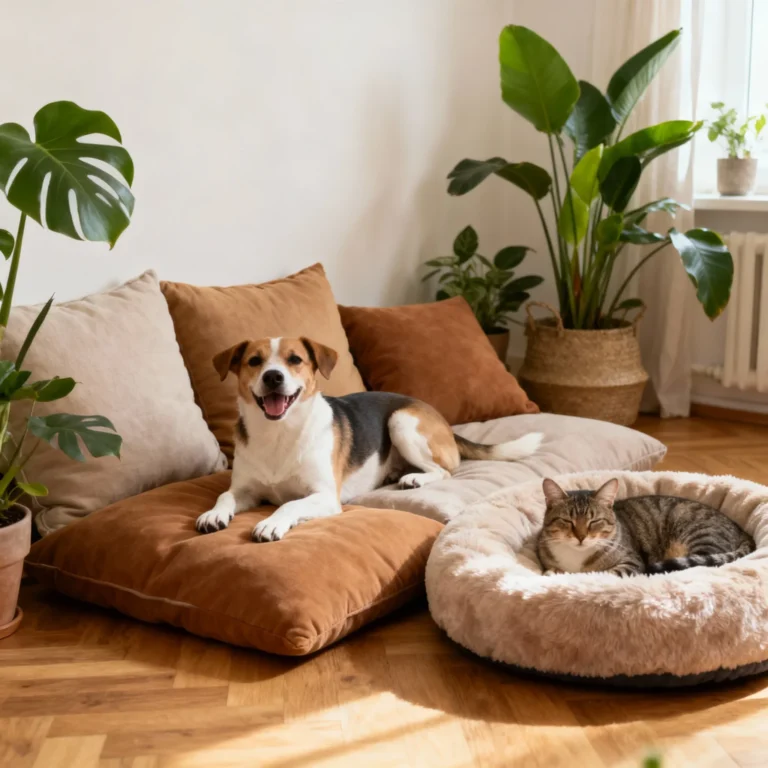
Your home should be a safe haven for your pet. Ensure that hazardous substances, toxic plants, electrical cords, and breakable items are out of reach. Create a comfortable space for your pet to rest, such as a cozy bed or a soft blanket in a quiet corner of your home.
Temperature control is also important. Keep your home at a comfortable temperature, and provide extra blankets or a warm bed during the winter. In the summer, ensure your pet has access to cool areas and plenty of water to stay hydrated.
Encourage Regular Exercise
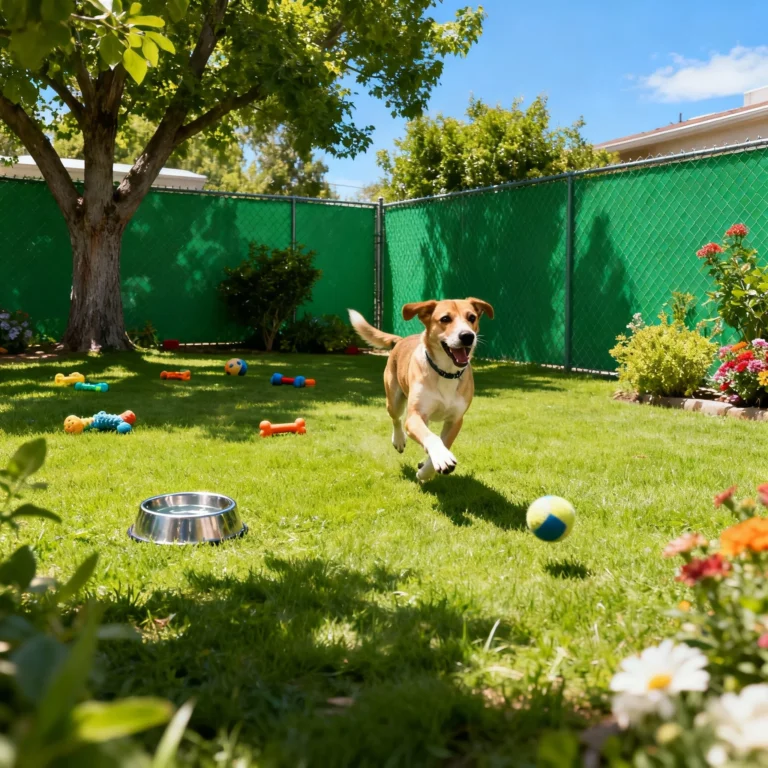
Exercise is essential for your pet’s physical and mental well‑being. Even though your pet is indoors, there are plenty of ways to keep them active. Play with your pet daily using toys that encourage movement, such as balls, feather wands, or interactive toys. For dogs, regular walks outside are important, but if that’s not possible, you can simulate a walk indoors by moving around the house with your dog on a leash.
Cats can be encouraged to exercise by placing their food or treats in different locations around the house, making them search and move to find their meals. You can also create a climbing structure or cat tree to provide them with vertical space to explore.
Provide Mental Stimulation
Indoor pets can sometimes become bored or stressed if they don’t have enough mental stimulation. Engage your pet’s mind with interactive toys filled with treats, puzzle feeders, or scent games. For cats, you can hide their favorite toys around the house for them to find.
You can also rotate your pet’s toys regularly to keep things interesting and prevent boredom. Spending quality time with your pet, such as grooming, cuddling, or simply sitting together, can also provide emotional support and mental stimulation.
Maintain Proper Hygiene
Keeping your pet clean and well‑groomed is essential for their health and comfort. Regular grooming removes dirt, tangles, and parasites from their fur, reducing the risk of skin infections and infestations. Dental care is also important; brush your pet’s teeth regularly to prevent tartar buildup and bad breath.
Bathe your pet as needed, depending on their breed and lifestyle. However, over‑bathing can strip their fur of natural oils, leading to dry skin. Consult your veterinarian for advice on the best grooming and hygiene practices for your pet.
Ensure Regular Veterinary Care
Regular check‑ups with your veterinarian are crucial for maintaining your pet’s health. Even if your pet seems healthy, annual vaccinations, parasite control, and routine blood work can help prevent and detect potential health issues early on.
Stay proactive about your pet’s health by monitoring their behavior, appetite, and physical condition. Any changes could indicate a health problem that needs attention. Keep a list of your pet’s important medical information and keep your veterinarian’s contact details handy in case of emergencies.
Provide Social Interaction
Social interaction is important for your pet’s emotional well‑being. Spend quality time with your pet daily, engaging in activities they enjoy. For dogs, socialization with other pets and people is important for their development and behavior.
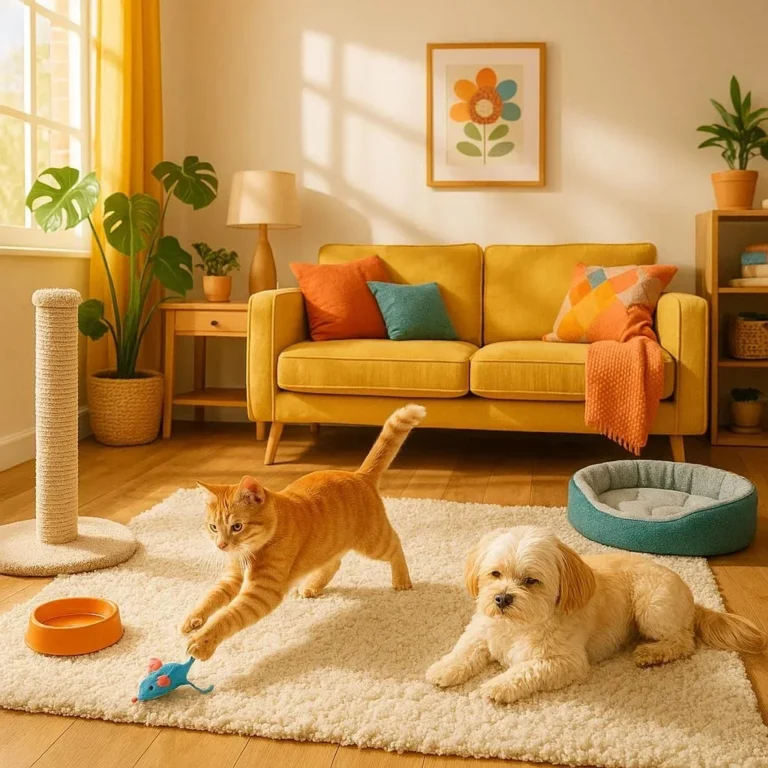
For cats, while they may be more independent, they still need attention and interaction. Play with your cat regularly and provide them with scratching posts and climbing structures to keep them entertained.
Create a Routine
Pets thrive on routine, as it provides them with a sense of security and stability. Establish a regular schedule for feeding, playtime, and rest. Consistency helps prevent anxiety and stress in your pet.
A routine can also help with house training. For example, if you feed your pet at the same time every day, they’ll learn when it’s time to eat and when it’s time to go to the bathroom. This can make managing their care easier for you.
Conclusion
Keeping your pets healthy and happy indoors requires a combination of proper care, attention to their needs, and a loving environment. By providing a nutritious diet, regular exercise, mental stimulation, and a safe and comfortable space, you can ensure your pet leads a fulfilling life indoors. Regular veterinary care, social interaction, and a consistent routine also play important roles in maintaining their overall well‑being. With these tips, your pet can thrive and enjoy a happy and healthy life inside your home.
FAQ
- How often should I feed my pet?
- The frequency of feeding depends on your pet’s age, breed, and health conditions. Consult your veterinarian to determine the best feeding schedule for your pet.
- Can indoor pets get enough exercise?
- Yes, indoor pets can get enough exercise through playtime, interactive toys, and climbing structures. Regular play can help keep them physically and mentally active.
- How can I keep my pet entertained indoors?
- Use interactive toys, puzzle feeders, and rotate toys regularly. You can also hide treats or toys around the house for your pet to find.
- What are signs of stress in pets?
- Signs of stress in pets include changes in appetite, excessive grooming, pacing, or hiding. Consult your veterinarian if you notice any unusual behavior in your pet.
By following these tips and staying attentive to your pet’s needs, you can create a happy and healthy indoor environment for your furry companion.