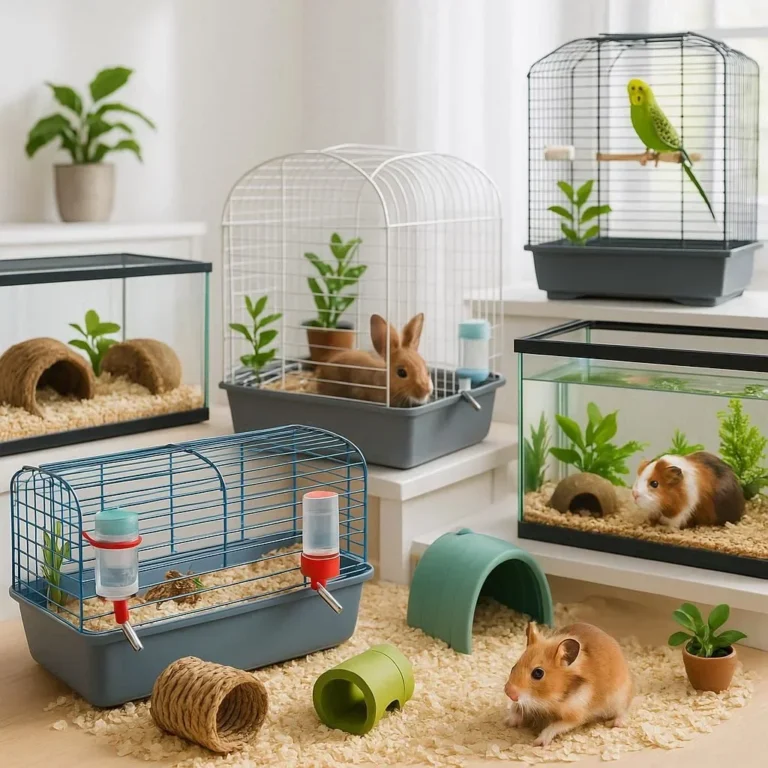
Pet Homes Seasonal Cleaning
Keeping a pet home clean is more than a cosmetic task; it directly impacts the health and comfort of both animals and owners. Seasonal cleaning allows you to tackle specific challenges that arise during different times of the year, from pollen exposure in spring to increased pet shedding in autumn. By following a structured schedule, you can maintain a safer, fresher environment for everyone in the household. This guide walks you through practical steps and expert advice for creating a seasonal cleaning routine that fits your pet’s needs.
Why Seasonal Cleaning Matters for Pet Homes
Pets contribute natural moisture, fur, and skin cells to indoor air, which can degrade air quality. A study on indoor allergens explains how these particles thrive in home environments, amplifying dust mite and pet dander issues. Allergen exposure can worsen asthma and allergies in both pets and people. By addressing seasonal peaks, owners can mitigate these risks before they become chronic. In the same vein, mold spores proliferate during humid months, and pet bedding can become a medium for growth.
Key Areas to Focus Each Season
Spring: Allergen Reset
- Rinse and replace pet bedding to remove pollen buildup.
- Vacuum carpets with a HEPA filter to trap dander.
- Wash any fabric pet toys in hot water to kill allergens.
- Use a damp cloth to wipe down high‑contact surfaces.
Spring introduces new airborne allergens, making it crucial to clean fabrics that retain pollen particles. Additionally, pet grooming sessions should increase in frequency to reduce shedding on indoor surfaces. Professional cleaning services often recommend a deep shampoo for pet carpets, where a professional-grade pet safe shampoo can eliminate lingering smells.
Summer: Mold and Mildew Control
High humidity supports mold growth, especially in basements and crawl spaces. A partnership with the World Health Organization outlines guidelines for indoor mold prevention. WHO on Mold stresses prompt drying after water exposure. In pet homes, moisture‑laden bedding and untreated fur can provide ample food for mold spores. Weekly inspections of hidden corners and pet sleeping areas help catch early signs of fungal activity.
Fall: Preparing for Coat Shedding
Coat shedding peaks in autumn as pets adjust to shorter daylight hours. Excess hair can reduce indoor air quality and clog air filters. A thorough vacuuming routine that addresses all carpeted areas can help. Owners may also consider specialized pet vacuum attachments, designed to capture hair efficiently. Weekly brushing reduces the hair that eventually ends up on floors and furniture.
Winter: Maintaining Indoor Air Quality
During winter, people tend to keep windows closed, allowing pollutants to accumulate. Dehumidifiers are less necessary, but air purifiers become essential. The American Veterinary Medical Association recommends that pet homes use pet‑friendly air purifiers, especially for households with allergy sufferers. Regularly changing filters every three months keeps them running at peak efficiency. Winter also brings an increase in cleaning products and potentially harsher chemicals; vetting for pet‑safe ingredients is essential.
Step‑by‑Step Cleaning Checklist
Below is a concise, season‑specific checklist to guide you through each cleaning cycle. Pair this with a calendar and you’ll have a clear timeline for all tasks.
- Spring: Replace bedding, deep‑clean carpets, wash fabric toys, wash windows.
- Summer: Inspect for mold, wet‑wipe bathrooms, vacuum twice, clean litter boxes.
- Fall: Brush pets weekly, vacuum, replace air filters, de‑oil food utensils.
- Winter: Use pet‑safe cleanser on fur, rotate bedding, dust shelves, test smoke detector.
Applying this routine systematically reduces the time spent on unexpected messes and provides consistent hygiene. Many pet owners find it helpful to color‑code their calendar months for quick visual reference.
Tools and Products for Pet‑Friendly Cleaning
Choosing the right tools mitigates the risk of allergic reactions and increases efficiency.
- HEPA vacuum: Captures 99.97% of dust and dander.
- Pet‑safe upholstery cleaner: Non‑toxic formulas for fabrics.
- Water‑based pet shampoo with pH balance.
- Micro‑fiber cloths for dusting surfaces.
- High‑grade air purifier with HEPA filter.
When reviewing pet cleaning products, consult sources like the AVMA Pet Hygiene guide and USA.gov Pets for up‑to‑date regulations on safe compounds. Keep a stock of pet‑friendly bleach alternatives if you are prone to mold, and always test a small area before a full application.
Creating Your Custom Schedule
Adapting a schedule to your specific household includes pet type, number of animals, and local climate. Use a spreadsheet or a simple paper calendar to map out the tasks discussed above. Each month, review what worked and where you found gaps. Adjust frequency for activities that might need either more or less attention during a particular season.
Remember to document the date of each deep‑cleaning session. This record helps track how often you need to replace a filter or bedding. Over time, you’ll identify patterns that let you fine‑tune the schedule, ultimately reducing mess while protecting your pets’ health.
Example Monthly Table
| Month | Task | Notes |
|---|---|---|
| January | Vacuum & replace filters | Use HEPA vacuum |
| April | Replace bedding | Wash in hot water |
| July | Mold inspection | Check basement |
| October | Coat brushing | Daily for cats |
Each row represents a core task; you can add or remove entries to match your lifestyle. With consistent follow‑through, the entire household benefits from reduced allergens, fresher scents, and happier pets.
Strong Commitment to Clean Pet Homes
A spotless pet home is more than a luxury—it is a foundation for wellness. By adopting a seasonal cleaning schedule, you empower yourself to prevent common health problems before they start. Take the first step today: set a calendar reminder for your pet’s spring refresh. Embrace the routine, and watch both your pets and your home thrive.
Frequently Asked Questions
Q1. How often should I replace my pet’s bedding?
Most experts recommend replacing pet bedding every two to four weeks, especially if your pet is prone to shedding or has a medical condition that produces excess skin shedding.
Q2. Can I use household bleach to clean my pet’s toys?
Bleach can be harsh on fabric and may leave a residue that irritates a pet’s skin. Instead, use pet‑safe disinfectants or a mild dish soap solution followed by thorough rinsing.
Q3. What is the best way to manage pet hair in furniture?
Use a microfiber lint roller or a pet hair removal brush daily, and vacuum the furniture with a pet‑attachment nozzle weekly to keep hair contained.
Q4. How can I reduce mold growth in my pet’s sleeping area?
Ensure adequate ventilation, promptly dry any wet bedding, and consider using a dehumidifier in damp climates to keep humidity below 50%.
Q5. Should I use human cleaning products on my pet’s gear?
While many human cleaning products are safe, check the ingredient list for allergens or irritants. Opt for products specifically labeled as pet‑safe for optimal protection.