Pet Birds Gentle Nature Guide
Pet Birds have long been celebrated for their gentle demeanor, making them ideal companions for families, seniors, and even those new to bird ownership. Their calm temperament, combined with a natural inclination to bond with humans, sets them apart from more high‑energy or demanding species. In this guide, we’ll explore the top gentle pet birds, what makes them so soothing, and how to care for them so they thrive in a home environment.
Pet Birds: Choosing the Right Gentle Companion
When selecting a pet bird, temperament is as crucial as size or color. Gentle birds tend to be less vocal, less prone to feather plucking, and more tolerant of handling. Below are the most popular gentle species, each with unique traits that make them a joy to live with.
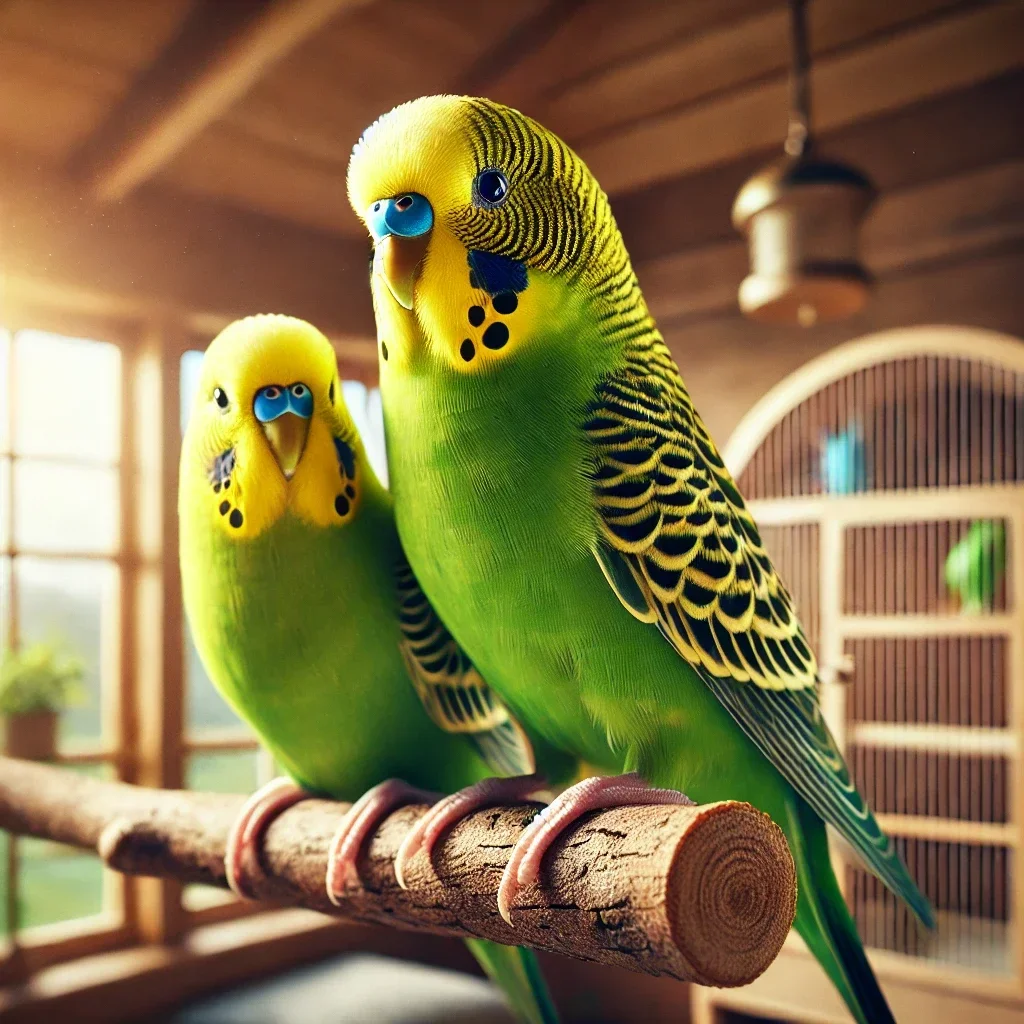
- Budgerigar (Budgie) – Small, affectionate, and easy to train.
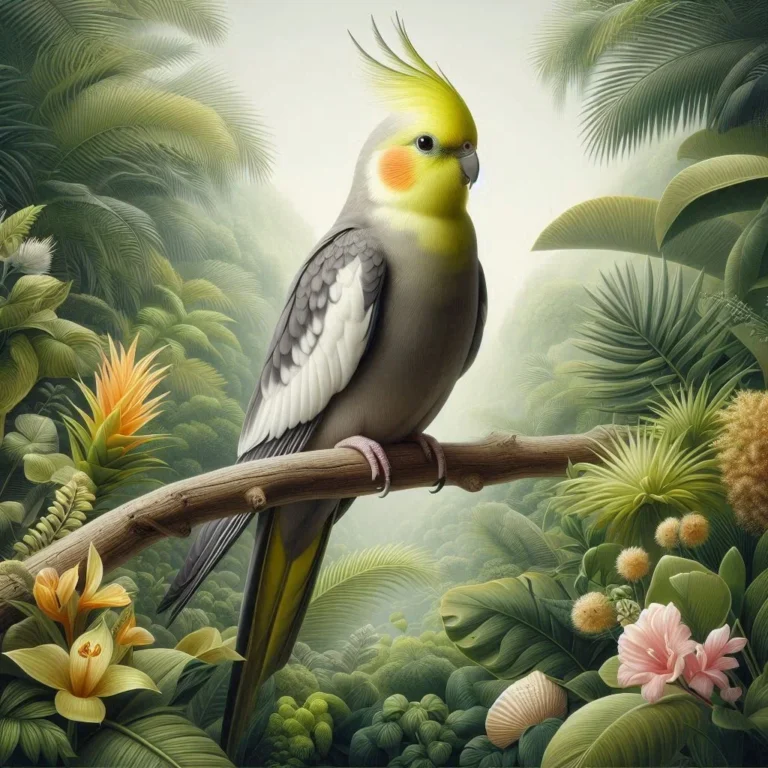
- Cockatiel – Friendly, social, and known for their expressive eyes.
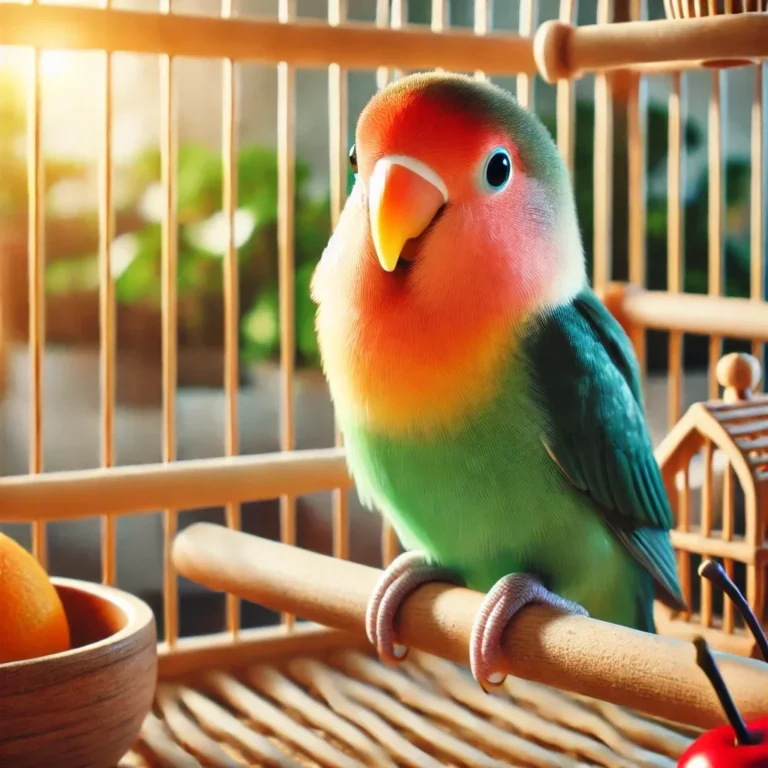
- Lovebird – Intimate, pair‑bonding, and surprisingly calm when socialized.
- African Grey Parrot – Intelligent, gentle, and capable of forming deep bonds.
- Canary – Quiet, melodic, and low‑maintenance.
Pet Birds: Understanding Gentle Temperament
Gentle temperament in birds is often linked to their natural habitat and evolutionary history. Birds that evolved in stable, social environments tend to be more sociable and less reactive to stress. For example, budgerigars and cockatiels originally lived in large flocks, which encourages calmness and cooperation. Understanding these background factors helps owners anticipate behavior and provide the right environment.
Key Traits of Gentle Pet Birds
When evaluating a bird’s suitability, look for:
- Low vocalization – Birds that sing softly rather than loudly.
- Tolerance to handling – Birds that enjoy gentle petting and are not easily spooked.
- Social bonding – Birds that form strong attachments to their owners.
- Adaptability – Birds that adjust well to routine and changes.
Pet Birds: Daily Care for a Calm Companion
Gentle birds thrive on routine and enrichment. A consistent schedule for feeding, cleaning, and interaction reduces anxiety and promotes a peaceful demeanor. Below are essential care tips tailored to gentle species.
- Nutrition – Offer a balanced diet of seeds, pellets, fresh fruits, and leafy greens. Avoid high‑fat foods that can cause stress or health issues.
- Enrichment – Provide toys that encourage natural behaviors, such as foraging puzzles and safe chew items.
- Social Interaction – Spend at least 15–20 minutes daily talking, singing, or simply sitting with your bird. This strengthens the bond and reduces nervousness.
- Safe Environment – Keep the cage in a quiet corner, away from drafts and direct sunlight. Use a soft, non‑abrasive lining to protect feathers.
Pet Birds: Common Health Concerns and Prevention
Gentle birds, like all pets, can face health challenges. Early detection and preventive care are key to maintaining their calm nature. Common issues include:
- Respiratory infections – Keep the cage well‑ventilated and avoid dust or strong fragrances.
- Feather plucking – Often a sign of stress; ensure adequate mental stimulation.
- Obesity – Monitor portion sizes and provide exercise opportunities.
- Dental problems – Offer chew toys to keep beaks healthy.
Regular vet check‑ups, especially with a Veterinary Medical Association specialist, can catch issues early and keep your bird’s temperament steady.
Pet Birds: Integrating Them Into Your Family Life
Gentle pet birds can enrich family dynamics. They are excellent for teaching responsibility to children and providing companionship to adults. Here are ways to integrate them smoothly:
- Shared responsibilities – Assign age‑appropriate tasks like feeding or cleaning to family members.
- Safe spaces – Create a bird‑friendly zone where the bird can retreat when overwhelmed.
- Consistent routines – Align feeding and playtime with household schedules to avoid surprises.
- Positive reinforcement – Use treats and praise to encourage calm behavior.
Pet Birds: Resources for New Owners
For those new to bird ownership, reliable resources are invaluable. Below are authoritative links that provide in‑depth information on gentle pet birds:
Pet Birds: Final Thoughts and Call to Action
Choosing a gentle pet bird is a rewarding decision that brings calm companionship into your home. By understanding temperament, providing consistent care, and integrating them into family life, you can enjoy a harmonious relationship that lasts for years. If you’re ready to welcome a gentle pet bird into your life, contact us today to find the perfect match for your family and start a lifelong bond.
Frequently Asked Questions
Q1. What makes a pet bird gentle?
A gentle pet bird typically has a calm temperament, low vocalization, and a natural inclination to bond with humans. These traits are often linked to species that evolved in stable, social environments, such as budgerigars and cockatiels. Owners can further encourage calmness by providing a consistent routine and plenty of social interaction.
Q2. Which species are the most gentle?
The most popular gentle species include budgerigars, cockatiels, lovebirds, African grey parrots, and canaries. Each of these birds is known for its low vocalization, tolerance to handling, and strong social bonds with owners.
Q3. How often should I feed a gentle pet bird?
Feed your bird twice a day—once in the morning and once in the late afternoon. Offer a balanced diet of seeds, pellets, fresh fruits, and leafy greens, and always provide fresh water. Adjust portions based on the bird’s size and activity level.
Q4. What enrichment activities keep a gentle bird calm?
Provide foraging puzzles, safe chew toys, and rotating perches to stimulate natural behaviors. Daily interaction, such as talking or singing for 15–20 minutes, also helps maintain a calm demeanor.
Q5. How can I prevent feather plucking in a gentle bird?
Feather plucking often signals stress. Ensure your bird has a quiet, well‑ventilated cage, plenty of mental stimulation, and a consistent routine. Regular vet check‑ups can catch early signs of health issues that may trigger plucking.