Pet Bird Diseases Prevention Guide
Pet Bird Diseases can quickly turn a joyful feathered companion into a medical emergency. Understanding the most common avian infections and how to keep your bird healthy is essential for every bird owner. This guide covers the top respiratory, digestive, and skin ailments, plus practical prevention tips that protect your bird’s well‑being and save you costly vet visits.
Common Respiratory Infections
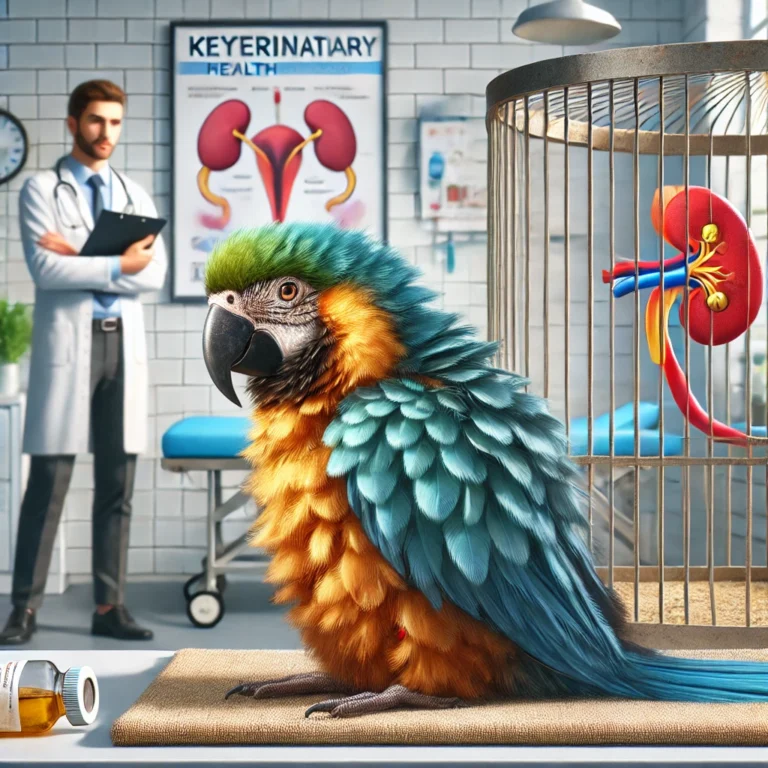
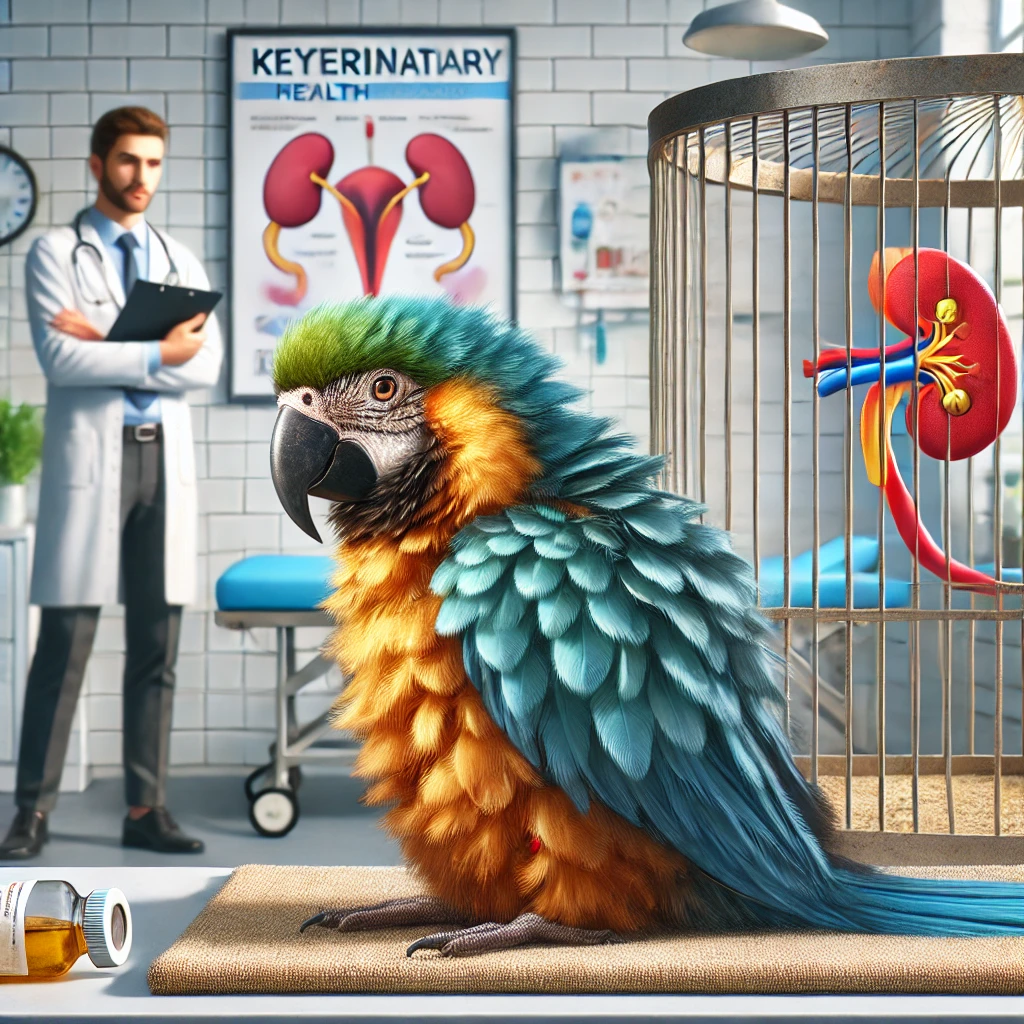
Respiratory illnesses are the leading cause of illness in pet birds. They often present with sneezing, nasal discharge, wheezing, or a sudden drop in appetite. The most frequent culprits include psittacosis, avian influenza, and fungal infections such as aspergillosis.
Psittacosis, also known as parrot fever, is caused by the bacterium Chlamydophila psittaci. It can be transmitted to humans, so early detection is vital. Symptoms in birds include coughing, lethargy, and a thick, yellowish nasal discharge. Wikipedia: Psittacosis provides detailed information on diagnosis and treatment.
Avian influenza, while less common in pet birds, can cause severe respiratory distress and high mortality rates. The Centers for Disease Control and Prevention (CDC) offers guidance on recognizing symptoms and preventing spread. CDC: Avian Influenza is a reliable resource for up‑to‑date protocols.
Fungal infections such as aspergillosis arise from inhaling spores in dusty environments. Birds may exhibit coughing, wheezing, or a sudden decline in feather condition. Prompt veterinary care and environmental decontamination are required.
Digestive Disorders
Digestive problems are another common group of avian ailments. They can stem from dietary imbalances, parasites, or bacterial overgrowth. Signs include diarrhea, weight loss, or a sudden change in droppings.
Parasitic infections, especially coccidia and protozoa, can cause severe diarrhea and dehydration. Regular fecal exams and appropriate deworming protocols are essential. The American Association of Avian Practitioners (AAAP) recommends a yearly parasite screening for all pet birds. AAAP: Avian Medicine offers comprehensive guidelines.
Bacterial overgrowth, often due to a high‑carbohydrate diet, can lead to colitis. Switching to a balanced diet rich in protein and fiber helps maintain gut health. A study from the University of California, Davis, highlights the importance of diet in preventing avian digestive disorders. UC Davis: Avian Nutrition provides evidence‑based feeding recommendations.
Skin and Feather Problems
Skin lesions, feather loss, and dermatitis are common signs of underlying disease or poor hygiene. These issues can be caused by bacterial infections, fungal infections, or nutritional deficiencies.
Dermatitis often results from exposure to toxic plants or chemicals. Birds may scratch or peck at affected areas, leading to secondary infections. Maintaining a clean cage and using bird‑safe cleaning products reduces the risk.
Feather loss can also indicate nutritional deficiencies, particularly in vitamin A and zinc. A balanced diet and regular veterinary check‑ups help prevent these deficiencies. The National Institutes of Health (NIH) provides detailed information on micronutrient requirements for birds. NIH: Micronutrients is a trusted source.
Preventive Care Strategies
Effective bird disease prevention hinges on a combination of good hygiene, balanced nutrition, and regular veterinary care. Below is a practical checklist to keep your feathered friend healthy.
- Maintain a Clean Environment – Clean the cage, perches, and food dishes daily. Use bird‑safe disinfectants and replace bedding weekly.
- Provide a Balanced Diet – Offer a mix of fresh fruits, vegetables, high‑quality pellets, and occasional protein sources. Avoid toxic foods such as avocado, chocolate, and caffeine.
- Monitor Health Daily – Observe for changes in appetite, droppings, feather condition, and behavior. Early detection saves time and money.
- Schedule Regular Vet Visits – Annual check‑ups, vaccinations, and parasite screenings are essential. Discuss a vaccination plan tailored to your bird’s species and environment.
- Control Humidity and Ventilation – Keep the cage in a well‑ventilated area with moderate humidity (40–60%). Use a HEPA filter to reduce airborne spores.
- Limit Stress – Provide enrichment toys, social interaction, and a quiet resting area. Stress weakens the immune system and increases susceptibility to disease.
Conclusion and Call to Action
Pet Bird Diseases can be serious, but with vigilant care and preventive measures, you can keep your bird thriving. By maintaining a clean environment, feeding a balanced diet, and scheduling regular veterinary visits, you protect your feathered companion from the most common avian infections and health issues.
Ready to give your bird the best start? Schedule a comprehensive health check today and ensure your bird enjoys a long, vibrant life.
Frequently Asked Questions
Q1. What are the most common respiratory infections in pet birds?
Respiratory infections are the leading cause of illness in pet birds. They include psittacosis, avian influenza, and fungal infections such as aspergillosis. Symptoms include sneezing, nasal discharge, wheezing, and decreased appetite. Early detection and veterinary care are essential to prevent complications. Regular monitoring helps catch signs before they worsen.
Q2. How can I prevent fungal infections like aspergillosis in my bird?
Aspergillosis is caused by inhaling fungal spores in dusty environments. Keep the cage clean and dry, use HEPA filters, and avoid dusty bedding. Provide fresh air and maintain moderate humidity. Regular cleaning reduces spore load and lowers infection risk.
Q3. What dietary changes can reduce digestive disorders in pet birds?
A balanced diet rich in protein and fiber helps maintain gut health. Avoid high‑carbohydrate foods that promote bacterial overgrowth. Include fresh fruits, vegetables, and high‑quality pellets. Regularly rotate food items to prevent nutrient deficiencies. Consult a vet for a tailored feeding plan.
Q4. How often should I schedule a veterinary check‑up for my bird?
Annual check‑ups are recommended for all pet birds, but more frequent visits may be needed for older birds or those with health issues. Vaccinations, parasite screenings, and routine exams help catch problems early. Discuss a personalized schedule with your avian veterinarian.
Q5. What are the signs of skin or feather problems that indicate disease?
Skin lesions, feather loss, and dermatitis can signal bacterial or fungal infections, or nutritional deficiencies. Look for redness, itching, or abnormal feather condition. If you notice scratching, pecking, or feather loss, consult a vet promptly. Early treatment prevents secondary infections.